Author Tue Nov 25 2014
Donna Seaman was happy to speak with me. It was a surprise; her reputation preceded her. I knew Seaman was the woman who'd interviewed Martin Amis at this year's Chicago Humanities Festival. She is also a senior editor of Booklist.
These facts alone I describe as a "reputation": leafing through its pages on the bus downtown, I recognized Booklist as the answer to my past weekend's wondering, of literature's fading importance; and Amis was the coy and mellifluous knight at the masthead of that importance. We had all cheered, in the audience, when he came on stage. Because in his dry wit and Swansean tone we all thought we were hearing something of the truth.
She had a hand in both worlds and that fact alone led me to anticipate she'd be a little bit scary. She wasn't.
Continue reading this entry »
— Alex Thompson
Events Wed Oct 15 2014

Who better to discuss journeys than Jamaica Kincaid, Cheryl Strayed, Marjane Satrapi or Philippe Petit? Than those makers who traversed oceans, countries, revolutions; who proved that the most harrowing journeys can occur within just two hundred feet of tightrope?
The much-anticipated Chicago Humanities Festival returns for its 25th year with an extraordinary line-up of events, all centered around the theme of "Journeys." The tremendous talent includes, in addition to the aforementioned, writers like Ben Marcus (Leaving the Sea, Flame Alphabet), Eric Schlosser (Fast Food Nation), Eula Bliss (On Immunity), Gary Shteyngart (Little Failure), and Jesmyn Ward (The Men We Reaped) to name only a few. Sit in on conversations with these authors and more as they recount journeys actual and notional; from the adventures that inspired their books to the very personal journey of writing them.
In addition to relishing favorite authors, lit lovers can revel in A Moth StorySLAM or any of a number of lectures. Unearth the original iteration of Hamlet, investigate J. Edgar Hoover's fascination with the Harlem Renaissance, or analyze love in all its guilty pleasure modernity with "Modern Love" editor Daniel Jones.
The festival kicks off on Oct. 21 with a Benefit Gala featuring The New York Times Op-Ed Journalist, David Brooks. Then, on Oct. 25, CHF begins full swing, with such a wide array of event topics as to make traveling to one program after another a journey in and of itself. In short, if you were looking for something to do between Oct. 25 and Nov. 9, Chicago Humanities can ensure that you will never be bored [PDF].
— Miden Wood

Image courtesy of Uncanny Magazine and Katy Shuttleworth
"Is that a unicorn...in space?" you might ask, staring at the logo (created by Katy Shuttleworth) for Uncanny Magazine, the latest endeavor by geek culture mainstays Lynne Thomas and Michael Damian Thomas. And indeed it is--the drawing symbolizes the close relationship between the science fiction and fantasy (SF/F) genres, a relationship that the Thomases will highlight in their new magazine, along with original artwork and literature. But it also represents the proximity of fandom and art, of passions and professionalism.
Uncanny will feature stories, prose, poetry and cover art in, and inspired by, the realms of science fiction and fantasy. The online magazine will be available as an eBook (.mobi, .pdf, . epub) on a bimonthly basis (first Tuesday of the month) at all major eBook stores. Each issue will be made up of original short stories, reprinted stories, poetry, interviews, and nonfiction essays. Because it will be a professional magazine, non-fiction and art work will be solicited, and paid by direct commission. The editors will publish work that reflects their commitment to diversity and representation, and will even have an open call for submissions (for fiction and poetry).
Continue reading this entry »
— Danette Chavez
Author Thu Apr 17 2014
-thumb-1212x808-14643.jpg)
Photo by Ryan Bourque
Sad Brad Smith: I'm going to get another coffee.
Gaper's Block: That's going to be in the interview.
What? "I'm going to get another coffee"?
There it is again. It'll be in there twice.
I'm going to get another coffee.
Nice.
(Brad gets coffee and comes back, reads an email, his brow furrows)
Oh.
What is it?
Are you recording?
Yeah. Is it big?
I'll tell you later.
Continue reading this entry »
— Alex Thompson /
Author Mon Mar 24 2014
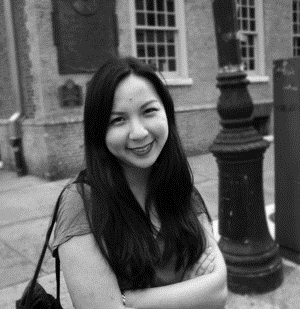 Poets & Writers recently helped organize the Barry Gifford reading for Story Week at Columbia College. After hearing Barry speak, I wanted to find out who it was on the East Coast who had made the event happen. Who was "Poets & Writers"?
In my search, I found Program Associate Cathy Linh Che. I read some of her poetry online; "Doc, there was a hand" and "Split" I realized quickly I wasn't tracking down an administrator, but a poet.
She was in the lunch line when I called.
Continue reading this entry »
— Alex Thompson
Poetry Wed Mar 05 2014
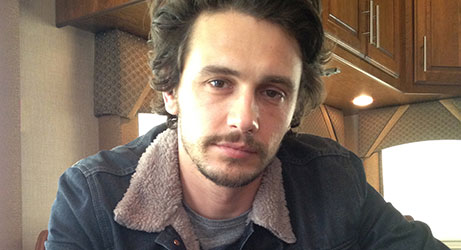
All the people came to see James Franco. But the James Franco who showed up wasn't who anyone had come to see. Some people were happy and some people were sad, and some people didn't know what to do.
Upon arriving at the poetry reading, brought to Chicago by the joint efforts of the Chicago Humanities Festival and The Poetry Foundation, I could feel the excitement in Northwestern Law School's Thorne Auditorium; one of those stiletto-shaped rooms that scoops down into a proscenium stage. It was filled with chatter like a shook box of cicadas. Making my way towards a seat near the front I stepped through three languages, many perfumes, many levels of sincere excitement and faux disdain, disinterest and ambivalence.
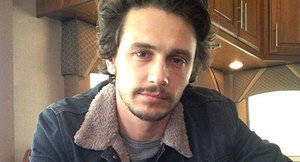 In front of me, folding chairs were filled by people who, I posited, had waited a long time, out in the cold, maybe, to get in before anyone else. They were a mix of twentysomethings and teenage girls, but the mean age ran on the younger side. They were James Franco Fans, with a capitol F. They'd brought glossy photographs with them and I recognized the need to clarify in the program that Franco would only be signing copies of his book of poetry, Directing Herbert White.
A door opened and Poetry Foundation president Robert Polito stepped on stage. We screamed and cheered because we knew who was coming next; and in he walked, just after Robert and just before Frank Bidart, James Franco.
Continue reading this entry »
— Alex Thompson /
Author Fri Oct 18 2013
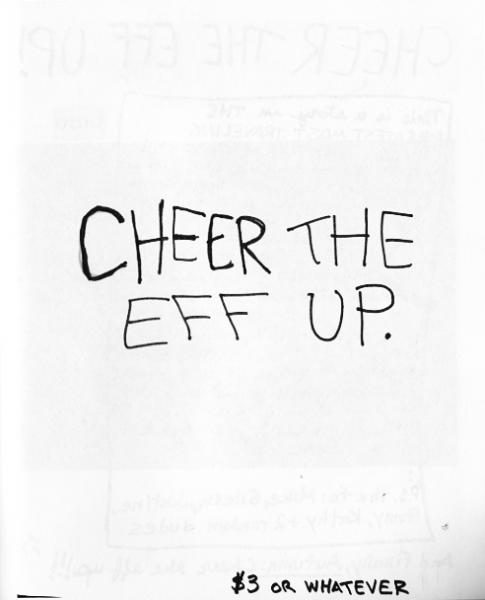
Jonas Cannon has been releasing zines since the mid-nineties, including the semi-autobiographic perzine Cheer the Eff Up (now on issue 5) since the summer of 2011. But Cannon's next work, a fiction collection titled The Greatest Most Traveling Circus will be published by Olympia, Washington based Sweet Candy Press , marking a big departure from his zine's do-it-yourself aesthetic: black and white copies on horizontally folded legal sized paper.
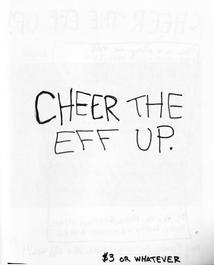
Cannon isn't the only zinester moving from the copy machine to the printing press. Many long time zine makers are opting for hard bound copies of their works. Philly-based comics artist and zinester Ramsey Beyer released her memoir, Little Fish, on Zest Books earlier this year. Chicago zinester Dave Roche self-released his first novel, If Nothing Else the Sky, this spring. Going the "professional" route can seem like a leap from the do-it-yourself mentality, but the process invites a new audience via internet marketplaces like Amazon.
"It's really just the format that's different," said Cannon. "Working with Sage Adderly and Sweet Candy Press didn't really feel removed from the zine community."
Continue reading this entry »
— John Wawrzaszek
Author Sun Oct 06 2013
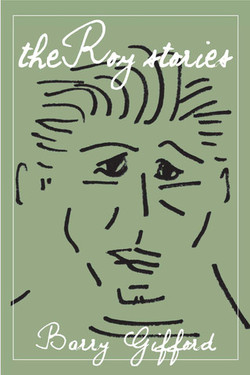 If you convened a Barry Gifford fan club, the members might not have much to say to each other. Throughout his long career, the Chicago-born writer has worked in many different--sometimes startlingly different--modes. He's probably best known for the surreal American violence of the seven-book Sailor and Lula saga, the first of which, Wild at Heart, caught the eye of David Lynch and sparked a collaborative friendship that went on to produce the screenplay for Lost Highway.
It's this side of Gifford audiences will see on Wednesday, October 9, at 8:15pm when he stops by the Gene Siskel Film Center (164 N. State) for a screening of the two episodes of Lynch's miniseries Hotel Room he wrote. Mysterious deaths, dark secrets, and mistaken (or are they?) identities will abound. After the screening, he'll stick around for a Q&A with Huffington Post arts writer Elysabeth Alfano, then sign books, including the recently collected Sailor & Lula: The Complete Novels.
Continue reading this entry »
— Daphne Sidor
Author Tue Sep 24 2013
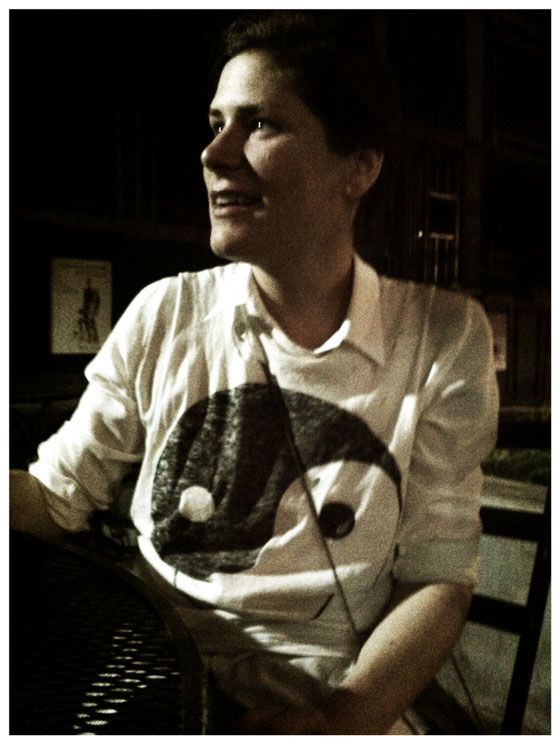 "It was like swimming with a whale shark."
This is how Hannah Pittard describes learning that her first novel, The Fates Will Find Their Way, (Ecco, 2011) was being published. Sounds dangerous, but Pittard is a dangerously talented writer.
Fates tells the story of a missing teenage suburban girl and the group of neighborhood boys who becomes enraptured by her disappearance. It's been compared to The Lovely Bones and The Virgin Suicides (not bad, especially for a first novel).
Pittard's fiction has won several awards. She is a graduate of the University of Chicago, got her MFA at the University of Virginia, teaches at DePaul, and is currently at work on her second novel, Reunion, (Grand Central) out in 2014. Read on, and get to know Hannah Pittard.
Birthplace: Atlanta, Georgia
Star sign: Sagittarius
What drives you to write?
A feeling in the pit of my stomach. A feeling in my chest. You know that time of night when it's pink? It's not every night, but some nights there's this pinkness in the air and I can feel it my chest -- this bigness, this need to capture it. Which isn't to say I'm trying to capture the night or its beauty. There's just a similarity between that feeling of pinkness and the need to write.
Continue reading this entry »
— Lara Levitan
Events Tue Sep 03 2013
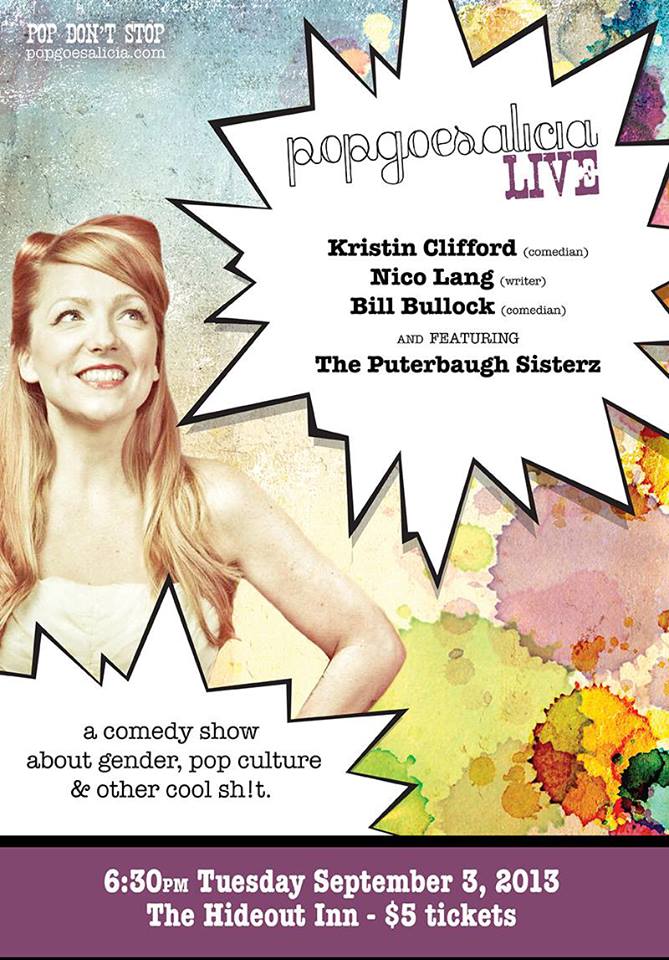
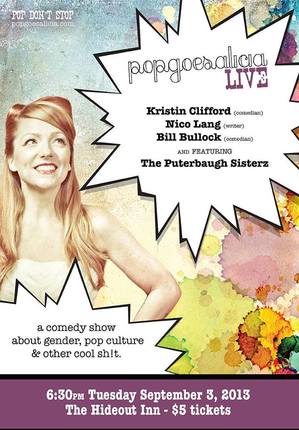 Let's face it, in a summer chock full of news, you've probably spent more time debating Skyler White's virtues than, say, discussing Syria. This might seem like another sign of humanity's imminent demise, but the truth is pop culture influences our society beyond meme creations. When you consider that Americans consume 1.27 TRILLION hours of media, you can't help but wonder the effect these messages have upon our psyche, especially when it comes to issues of gender and sexuality.
Continue reading this entry »
— Ines Bellina
 The city's literary community welcomes a new addition with Chicago Literati, part of Tribune Media's ChicagoNow blogger union. Chicago Literati captures the essence of the lit scene with book reviews, live reading reviews, event postings, reading lists, creative nonfiction essays, and even a bit of fiction and poetry every now and again. The site began last November as an independent project of recent Columbia College Chicago fiction writing graduate Abby Sheaffer. As acting editor-in-chief, Sheaffer wears many hats to maintain the site. She writes articles, reviews content, edits submissions, and solicits new contributors.
"I really work hard to make Chicago Literati feel like a community," says Sheaffer. "I think the greatest part of the Chicago literary community is the sense of family and how open everyone is to expression."
A community is building around the site's growing content. This includes the dedicated staff Sheaffer has amassed. "They're all so unique and talented," she says.
Many are students or recent graduates who are looking for a place to share their work. Even as young writers they are tackling subjects that apply to writers at most any level of experience. A recent post discussed how writers combat writers block.
Continue reading this entry »
— John Wawrzaszek
Author Mon Apr 15 2013
 “Paul,
Greetings from sunny Seattle, where women are “gals,” people are “folks,” a little bit is a “skosh,” if you’re tired you’re “logy,” if something is slightly off it’s “hinky,” you can’t sit Indian-style but you can sit “crisscross applesauce,” when the sun comes out it’s never called “sun,” but always “sunshine,” boyfriends and girlfriends are “partners,” nobody swears but someone might occasionally “drop the f-bomb,” you’re allowed to cough but only into your elbow, and any request, reasonable or unreasonable, is met with “no worries.”
Have I mentioned how much I hate it here?”
This excerpt, the first paragraph in a 15-page tirade against Seattle, is just a sample of the scathing witticisms Maria Semple has to offer in her recent novel Where’d You Go, Bernadette? The book is the latest in a long list of Semple’s accomplishments, including her first book, This One is Mine, as well as her work as a writer on a number of television series, including “Arrested Development,” “Mad About You,” and “Ellen.” Bernadette is also slated to be made into a motion picture, written by Scott Neustadter and Michael H. Weber ((500) Days of Summer) and produced by Nina Jacobson (The Hunger Games film series) and Brad Simpson.
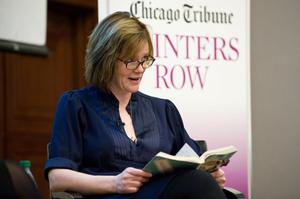
I had the opportunity to sit down with Semple just before her reading and talk-back, “Printers Row: Maria Semple,” hosted at the Tribune Tower by Trib Nation. There we discussed Maria’s relationship with Seattle, her writing process, and her perspective on the success of her book.
As the bus pulls up to the curb outside Tribune Tower, I am nervous for two reasons. The first is, knowing I am about to meet face to face with a writer for “Arrested Development,” it will take every professional fiber of my being to not let this interview devolve into an episode of The Chris Farley Show. (“Remember Gob…? Yeah. He’s awesome.”)
The second reason I’m nervous I already acknowledge as ridiculous. But, having read Semple’s commentary on Seattle, I can’t help but wonder if her bite is as bad as her bark. I saw what she did to that city. Would she chew up Chicago with the same contemptuous mockery? I half expect Bernadette herself, enormous sunglasses atop her nose, to come marching in decrying our unpredictable weather and monochromatic wardrobes.
Continue reading this entry »
— Miden Wood
Events Fri Nov 16 2012
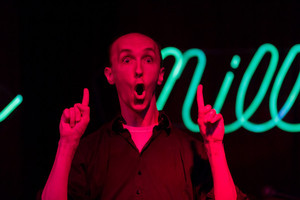 When writer/performer Christopher Piatt first conceived of the "live magazine" phenomenon known as The Paper Machete, he envisioned it hosted at the Green Mill, where the nightly jazz, the twinkling green lights, and the ghosts of gangsters past linger in every smoky corner. And beginning Saturday, December 1--after three rigorous years hosting and producing The Paper Machete at various Lincoln Square bars--Piatt's vision is realized as he takes his weekly "salon in a saloon" to the Green Mill with headliner Katie Rich of the Second City mainstage.
"I'm beside myself," said Piatt. "But I have a lot of work ahead of me."
Not that he doesn't already have a lot of work behind him. Piatt's been hosting and producing The Paper Machete, an aptly-described "part spoken-word show, part vaudeville revue" for nearly three years. It's a project he dove into full throttle after leaving his post at TimeOut Chicago, where he worked as a theatre critic and editor for five years. Upon leaving TimeOut, Piatt felt destined to put on a show of his own, but he found himself irrevocably "hard-wired" to the pace of a weekly magazine.
Continue reading this entry »
— Lara Levitan /
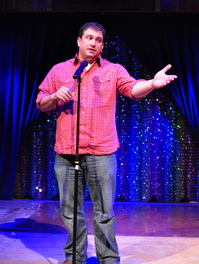 Scott Whitehair, who hails from Pittsburgh and resides in Lincoln Square, is a storyteller, writer, producer, improv artist, and comedian. He is central to the Chicago storytelling scene and has contributed a wealth of energy to the storytelling movement in Chicago.
Whitehair got his start when he enrolled in a solo storytelling/improv class with Paula Killen at the Annoyance Theater. "It changed my life," said Whitehair, who started performing at coffee shops with his classmates around the city.
From there Whitehair went on to co-found, This Much is True, one of the oldest storytelling shows in Chicago, with Dorrie Ferguson, Larry Kerns, and Deanna Moffitt. These days, Whitehair co-hosts the show held at the Hopleaf in Andersonville on the second Tuesday of the month.
This standing-room-only show has been running since 2009 but, as Whitehair explained, it was not an overnight success. "It took a few years to get from being 6 or 7 people we knew well who were obliged to come, to what it is now. [The crowd] surprises me every month."
From the success of This Much is True, another project of Whitehair's, Story Lab, was born. "People kept coming up after shows asking, 'Where can I do this?' and I didn't have an answer," said Whitehair. Story Lab is open to anyone who attends a show and signs up, or reaches out by contacting producers.
The event is held every third Wednesday at the Black Rock Pub and gives new tellers a space to give telling a try. Over 100 new storytellers have participated since its founding. "My philosophy is that if you give people the space to be great, they'll do it," said Whitehair.
Whitehair also finds his inspiration in what Chicago offers its artists: "Chicago is a city that if you want to to do something, there is absolutely no reason you can't. This city is so hospitable to ideas." Whitehair is the co-host and co-producer of Do Not Submit (along with fellow teller, Shannon Cason), Chicago's Biggest Liar Contest, and has brought storytelling to Three Oaks, Michigan with his show Adult Education at the Acorn Theater. Not only does Whitehair perform his own tales, produce six different shows, he teaches his "Storytelling for Everyone" class to prospective storytellers and has been an instructor at non-profit 826CHI. He would like to widen storytelling to underrepresented communities throughout Chicago.
I am ever amazed by Whitehair as he offers his ever increasing support to other storytellers and producers throughout the community. While many artists remain guarded, consumed by their own shows and craft, Whitehair is constantly helping to promote and connect others and build the community.
"I really believe anyone can do this," Whitehair said. "The connections that we build can change the world. It's empowering people. The storytelling community is anyone who shows up to listen and anyone who wants to be heard."
Check out Whitehair's tales coming up at Two Sides, Wednesday, October 24 at the Raven Theater, Adult Education, Thursday, October 25 at the Acorn Theater in Michigan, and Kindling Tales, Monday, October 29. Whitehair will also be taking his stories to NYC in early November. Check out his website for more information.
— Melinda McIntire
Joseph Sanchez, a ChicagoQuest middle school student, meets each day with a great desire to learn and connect to people and to the world around him. But, like too many young people today, he also meets each day with the struggles of ADHD. His mother, Miriam Sanchez, says that Joseph's ADHD often causes him to feel frustrated with daily tasks and the academic learning processes that have become standard. ts result, Joseph struggles with nervousness, acts out, and has trouble making friends.
This spring, Joseph joined the Open Books program, "ReadThenWrite," and was exposed to literature reading, writing and thinking critically to discuss the effects and possibilities of fiction.
"He liked the fact that he was able to create his own story," Sanchez said. "He really enjoyed the creating part of the program." Joseph made several friends in the program and developed new ways of coping with and addressing his ADHD and nervousness. His confidence grew and, as he became an avid reader, so too did his knowledge of and interest in the world around him. "Now that he knows how to, he can be a writer," Sanchez said.
Open Books' literacy programs connect young people with mentors, successful artists, published literature, the cultural and social networks of Chicago, and to inner strengths. Their perspectives expand as they reimagine the environments that surround them every day and the ways that they can relate, connect, and contribute to them. Joseph Sanchez is just success to come out of the program; the adult volunteers who make the Open Books literacy programming possible, benefit too, sharing in the learning and discovery that comes from working closely with others.
You can be a part of this fun and exciting intellectual relationship-building by becoming an Open Books volunteer.
— Emily Thornton
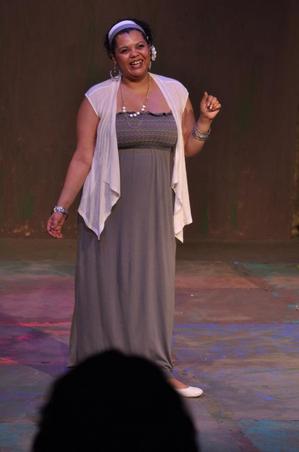 Lily Be calls the Chicago storytelling community her family. Be is a native Chicagoan who grew up in the Humboldt Park neighborhood and is now a resident of Pilsen. Be completely got into storytelling by accident, attending Grown Folks Stories, a series held every 3rd Thursday of the month at the Silver Room in Wicker Park.
There, a friend put her name in the hat to be called for the open mic. "I couldn't walk away from it," said Be. Be, who became a mother at 17, told the tale of son Xaiver, getting in trouble at school for the first time. She found storytelling therapeutic and has been in the scene ever since. She has shared her personal stories of being a rape survivor, a teenage mother, losing a son, and broken engagements. "Nothing has broken me," she said. Be even attributed beating cancer to her storytelling family. "The Grown Folks people did so much for me without even knowing."
Be, now a seasoned storyteller, has influenced her 16 year old son to take up the artform.
"I dragged him to Grown Folks. He wants to be a biochemist, or his second choice, a comedic writer. I want to encourage him in all he does, and I thought this event is perfect for comedy. He tells stories about being a teenage boy. He makes them very grown up... I try to teach my son that sh** happens, and you have to stay positive about it."
She would like to see more storytelling events and opportunities for teenagers and young people. Since many storytelling events are held in bars, her son is not able to attend. Be also volunteers in the Austin neighborhood and started storytelling with neighborhood kids aged 6 to 18. "It's the greatest thing I am doing this summer," Be said.
Be never writes her stories and relies on the oral tradition she grew up with. "People get a real taste of Chicago and what Chicago breeds...The grittiness of the city feeds the storytelling machine." Be has started a new radio broadcast with fellow storyteller Rob Ruiz titled Stoop-Style Stories, based on that oral tradition of Chicagoans sharing stories on their front stoops. Check out the first broadcast which debuts Friday, August 24 from noon to 2pm on 1710 am or at QUE4.org/radio. A live broadcast will follow at 8pm. Stoop-Style Stories will be aired every Friday afternoon from noon to 2pm.
Photo by Monte LaMonte
— Melinda McIntire /
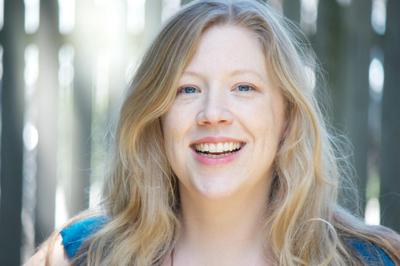
"Fight Club, only with stories instead of punching," is how Dana Norris describes Story Club, a Chicago live lit show she founded in 2009. These days, it is a simple scan of event listings to find an abundance of storytelling shows in Chicago. But when Norris attempted to find an open mic for stories back in 2009, she discovered ample opportunity to perform in the thriving poetry and stand-up comedy scenes, but felt her performances did not fit into either medium. After complaining to her instructor, Brigid Murphy, founder of longstanding Chicago variety show Milly's Orchid Show, she encouraged Norris to just start her own. And so Story Club was born.
Norris attended and graduated from Wittenberg University in Springfield, Ohio. Her colleagues in the theater department were hosting talent and variety shows, and Norris wanted in. She memorized her short stories from her creative writing and non-fiction work and utilized these venues to perform.
Continue reading this entry »
— Melinda McIntire /
 Here in the Second City, there is a flourishing storytelling community formed of writers, comedians, actors, and just people with a personal tale to tell. The New York Times covered this new art form recently, and just like New York (but better), Chicago's storytelling scene is booming with shows and readings most every night of the week throughout the city.
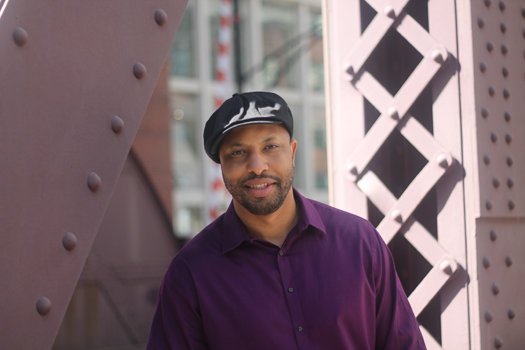
Shannon Cason is a veterans of this small scene, both as a storyteller and show producer. A Detroit native, father to two daughters, writer, stand-up comic, and past Chicago Moth GrandSLAM Champion, Cason is a well established voice. I first met Cason at the Windy City Story Slam Semi-Finals back in April at the Chicago Urban Arts Society. The ease and confidence with which he told his stories is magnetic. When I sat down with Cason, we talked about storytelling as bravery. Many storytellers get the best response when they tell personal, heart-wrenching, or embarrassing stories--the stuff that makes a listener simultaneously cringe and relate--and for the most part, these tales are shared with complete strangers. "Sometimes the best stories are the ones you don't want to share," Cason said. "A lot of people can relate to the stories because you had the bravery to be vulnerable."
Cason credits Chicago's story scene to the city's "low tolerance for B.S." and the desire for something real to hold on to. The support of the Chicago storytelling community, he said, and the lack of competition compared to that felt among his comedian cohorts, doesn't hurt either. "Storytellers are just people sharing experiences." He would like to see a diversified audience and performers, as the shows getting attention are almost exclusively on the Northside.
Cason got his start in storytelling when he attended Story Club, a long standing live literature show at Uncommon Ground produced by Dana Norris. He was hooked. He, along with fellow storytelling veteran, Scott Whitehair, founded and co-produce the show Do Not Submit. DNS is a storytelling open mic, but unlike many, it is an opportunity for storytellers to experiment with a piece or a rough draft and engage a small audience. It's also an opportunity for first-time storytellers who may not be ready for a massive audience, to get up and test the waters. Cason and Whitehair connected one night in a bar and just like that Do Not Submit was born. Both have a lot of stand-up comedy experience throughout Chicago and lamented the abundance of amateur open mic nights for comedy, while storytelling open mics were only for readers and writers who had fully fleshed out pieces for performance.
Do Not Submit is hosted upstairs at Trace at 3714 N. Clark St. in Wrigleyville at 8:00pm, with sign up at 7:30pm. The next shows are set for Monday, July 23 and Monday, August 20. Check out where you can find Cason's upcoming events here.
— Melinda McIntire /
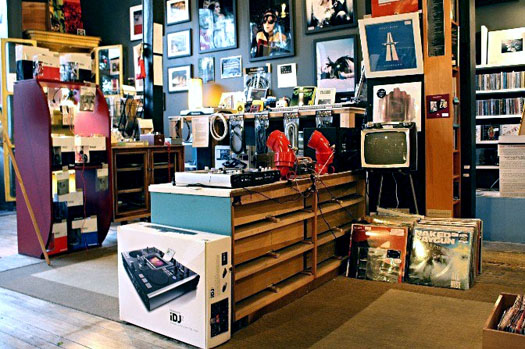
That Transistor in North Center is more than a bookstore is immediately obvious to anyone entering the shop. And according to owner Andy Miles, the store is the sum of four counterparts.
"We're equal parts art gallery, bookstore, music store, and specialty electronics boutique," Miles said. "I didn't want to open a store that would be any one of those single components. It's too limiting for my interests."
The store made its move from Andersonville, where it opened in 2009, to North Center last July, and has carried on in much the same way as before. Transistor represents 70 some visual artists, mostly photographers, along with some painters and print makers. They also sell handmade jewelry that Miles said is "very Transistor," like bracelets made from old film strips. And of course, books.
"I view the shop as something that's here to serve a community that's definitely not underserved online, but a lot of the stuff we sell you're not gonna find at any big box retailer," Miles said. "The internet has created a lot of niches that people might not have otherwise been aware of."
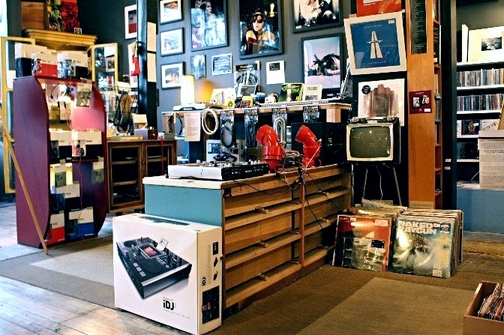
Visually, the store is as appealing as a well curated art gallery crossed with a thoughtfully decorated apartment. A black couch in the book section at the front of the store is a perfect vantage point from which to view everything available in the long narrow shop. Tin ceilings, painted silver are set off by black walls, lined with framed work. Miles said he doesn't aim to attract one particular kind of person, and instead, he's more concerned with quality merchandise that represents a broad range of interests.
"I like the fusion of the different things we're carrying," Miles said. "Somebody might come to the counter with this book about Gil Scott Heron, but also, this Thinking With Type book, and you know, a book about how to make specialty electronics. That really speaks to that person's diverse interests, and I don't think other stores can do that in the same way."
In addition to carefully selected merchandise, Transistor hosts weekly movie screenings and musical entertainment, the recordings of which can be found at Transistor's website. There's also a photo class every Saturday, two sound classes every month, and a live ambient music yoga session once a month. Miles is perhaps most proud of a radio podcast, The City Life Supplement, that records in the store.
"We host a group that comes in and records a radio podcast in front of a live studio audience in front of a live studio audience of about 30 people, and it's patterned after A Prairie Home Companion for young urbanites in Chicago," Miles said. "The made-up Chicago neighborhood that they live in is called Ravens Park, and there's a musical guest. It's very funny. That's something that I'm incredibly proud to be hosting."
Visit Transistor at 3819 N. Lincoln Ave.
— Claire Glass
Name: Powell's Bookstore
Locations: 2850 N. Lincoln Ave (North)
1501 E. 57th St (Hyde Park)
Founder: Michael Powell
Books: Rare and used/discounted (every genre)
Website: www.powellschicago.com
History: Opened in 1970
 Powell's Bookstores has two retail locations (as well as a wholesale division that sells university press leftovers to other bookstores) in the Chicago area. Kimberly Sutton, employee at the Hyde Park location, gave some great responses about the inception of Powell's! (Photos are of Powell's North.)
When did Powell's Bookstore open, and how did it start, i.e., what was the motivation/inspiration for its founding?
Powell's was founded in 1970 by Michael Powell, who had been running a student co-op bookstore on the University of Chicago campus. Michael was a grad student really into books--so much that he convinced Saul Bellow, Edward Shils, and Morris Janowitz (among others) to front him the money for a much needed bookstore in Hyde Park. This is slightly unrelated to Powell's, but I love this story so I beg you to indulge me -- the building in Hyde Park (where Powell's still lives) housed a real estate agency until earlier in the year, when it was fire-bombed (!), probably by student radicals (the case is still unsolved), though they were notorious slum lords, and a tenants union had formed against them as well. A few days later someone spray painted, "You don't need a weatherman to know that the fire is blowing in the right direction." Sounds like the perfect spot for a bookstore to me.
We did really well and kept expanding -- we used to share this space with O' Gara & Wilson's (now across the street), bought a warehouse in the mid-70s (it's since moved a few times, now out by Midway), and bought the north store in 1987.
Continue reading this entry »
— Emily Wong /
Name: The Book Cellar
Location: 4736-38 N. Lincoln Ave.
Books: Books and magazines (every genre), local author section, cafe and bar
New/Used: New books; e-books
Website: http://www.bookcellarinc.com
History: Opened in 2004
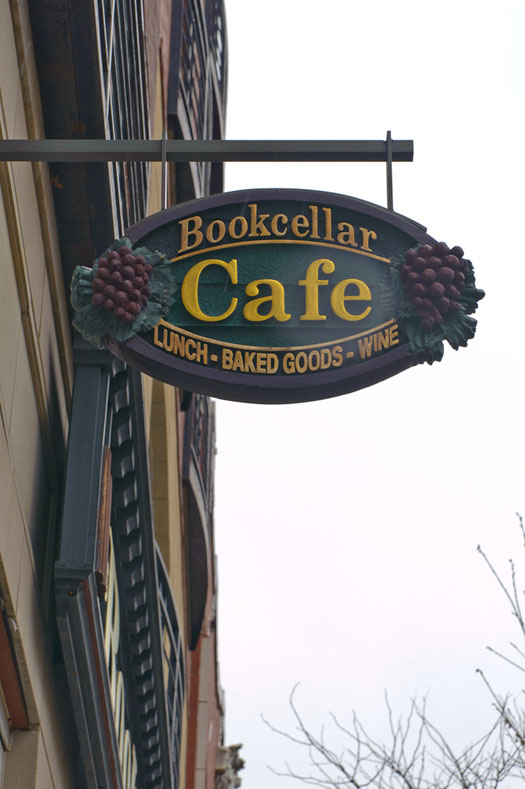
Since 2004, the Book Cellar has been an integral part of the Chicago literary scene. They host events and book clubs almost every night, from a weekly childrens' story hour to the LGBT-friendly Essay Fiesta once a month. They recently hosted a reading party for the posthumous release of David Foster Wallace's The Pale King, which attracted a crowd of around 100. Fans of Gapers Block may remember The Book Cellar from such events as the Gapers Block Book Club (which is still going strong, by the way, but it's now a quarterly affair. Meet us at the Book Cellar on June 30 to discuss Paul Hornschemeier's Life With Mr. Dangerous!).
In the age of e-books and online stores, The Book Cellar had a 5% growth in sales last year. In addition to the above events, they're foot traffic friendly in a great neighborhood, feature a cafe and are the only book store in Chicago with a liquor license, featuring 24 types of wine and about 10 different beers.
Continue reading this entry »
— Rebecca Hyland
Name: The Comic Vault
Location: 1530 West Montrose
Books: Comics and Graphic Novels
New/Used: Both
Website: www.chicagocomicvault.com
History: Opened October 2006
Matt Sardo's motto is that the Comic Vault is more than just a store, it's a community.
This refrain is invoked often from the owner of the shop, located in Ravenswood. Over the past several years of business, with a second shop set to open in April at Block 37, Sardo has grown the Comic Vault from a neighborhood hangout to a truly classic Chicago comic shop.
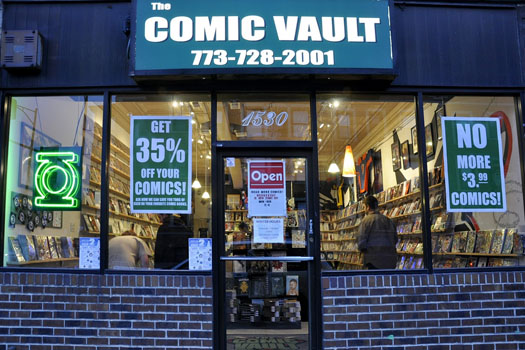 Nominated twice for an Eisner "Spirit" Award and playing host to a recent advertisement during AMC's The Walking Dead, the Comic Vault has drawn in people from all over the city through its dedication to fostering an atmosphere of communal harmony. This is accomplished by not only having a robust membership system, one that offers a greater discount to a customer based on the number of monthly comics purchased, but by including members in the overall dialogue about comics.
Stepping into the cozy shop situated at the intersection of Montrose and Ashland, the store is set on three sides to clear and clean shelving displays of comics. For the inner geek in everyone, seeing this impressive display of merchandise is both reassuring and comforting that comics have found a strong place in the community. Furthermore, Sardo is kind enough to bag and board each issue that comes into his store, ensuring that your comics are not only protected from the elements but easily storable in the ubiquitous long boxes that festoon the apartments of dedicated fans.
The Comic Vault also routinely hosts events, catered of course, such as Winter Con, a local Chicago comic convention, release parties for upcoming books or Q&A sessions with big name creators. All of this brings together members of the shop to not only discuss comics but to connect with each other on a personal basis. One can step into the shop on any day of the week and feel just as comfortable debating the latest Green Lantern storylines as discussing how the Black Hawks are doing.
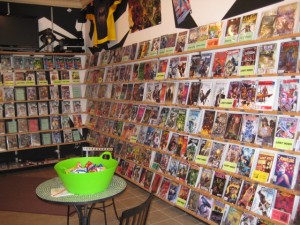
What I felt encapsulated the vibe of the Comic Vault the most was that there was a general sense of easy going happening at the store. The small shop size and minimalist design ethos keeps the emphasis on the customer and the reader. There are no huge stacks of old comics lying around or endless rows of shelves to bury shoppers underneath piles of panels and pages. You don't feel overwhelmed or out of your element when dropping by for a visit.
Comic readers new and old can appreciate the sense of togetherness engendered by the Comic Vault. It's a quick walk east off the Montrose Brownline and is adjacent to both the Montrose and Ashland buses.
— James Orbesen
Name: Transistor
Location: 5045 N. Clark
Books: Mostly art, graphic design, film, travel, and a variety of locally-published
New/Used: New
Website: www.transistorchicago.com
History: Opened in October 2009
I had the pleasure of meeting Rani Woolpert and Andy Miles, the owners of Andersonville bookstore Transistor, after stumbling into their fine shop while hunting independent bookstores on the Northside. I was in search of any place willing to sell local, self-published items and serendipitously walked through their shop door. They were about to interview a local Steppenwolf actor for their weekly webcast "Transistor Radio." Before it began, I noticed Rani introducing herself to customers and audience members seated and eagerly awaiting the show. Somehow I convinced Rani and Andy not only to sell my self-published literary mag, but also to host an evening literary event for the magazine. They were immediately welcoming and offering their resources. Transistor is amazingly multi-faceted, equal parts gallery, museum shop, sound studio, performance space, movie theater, and classroom. Rani and Andy pull off a genuine, one-of-a-kind creation, a little artistic mecca on the Northside, guaranteed to challenge your typical bookstore shopping experience. During our brief interview, they helped me (and hopefully, you) understand what to expect when you visit Transistor, and peruse its appealingly unique selection.
Continue reading this entry »
— Amy Ganser
Feature Tue Apr 20 2010
Lucy Knisley published her first book in 2008 -- French Milk, an illustrated journal detailing a trip to Paris with her mother. Lucky for Chicago, the School of the Art Institute graduate's interests and inkings also lean local. She continues to chronicle her experiences in autobiographical, often food-centric comics, and is currently working on Relish, a graphic novel about growing up in a family of foodies.
Name: Lucy Knisley
Job: Cartoonist, Teacher
Age: 25
Education: Art Institute of Chicago (BFA), Center for Cartoon Studies (MFA)
Awards: ICPA award for Excellence in Illinois College Newspapers (for exceptional cartoon or comic strip), finalist in the Scripps Howard Foundation's Charles M. Schulz College Cartoonist Award
Location: Logan Square
Hometown: Originally from Manhattan, but my parents split up when I was 7. My mom moved about two hours north to a little town called Rhinebeck, which is where I spent most of my childhood.
Website: http://www.lucyknisley.com/
Favorite place in Chicago: Wicker Park, five years ago. Maybe Fox and Obel.
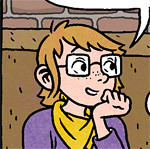
Self-portrait
You grew up reading comics?
Yeah, I did. I sort of got really into them when my parents split up. My dad is a writer and literary professor guy, and my mom is more of an artist and visual person. I think comics became this sort of melding of my mother and father's influence on me -- which was interesting, because they both hated comics, they thought that they were really stu- well, they didn't hate them, they bought them for me and let me read them and stuff. My mom thought Archie comics, which were my favorite, were really sexist and demeaning. My dad thought they weren't literary and scholarly enough, so I had to kind of read them and defend them and look at them critically, so I could convince my parents to buy them for me. So it was like Archie comics, and Calvin & Hobbes, and TinTin, and Astrix and Obelix. But yeah, I would read anything -- I was one of those kids who would pick up the New Yorker and read it if it was there. I babysat for a lot of New Yorker cartoonists that moved upstate.
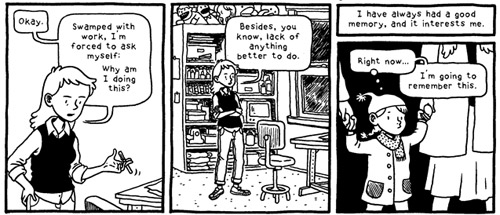
Brain Waves on Paper
Nice. When did you decide you wanted to make comics for a living?
I sort of toyed with the idea when I was a kid, but I always thought that I'd have to choose between being an artist and being a writer. I really wanted to do both...I ended up at this high school where I had a really, really awesome art teacher, who took me under his wing, and got me into art school and stuff like that. At that point, the decision was kind of made for me, that I would be an artist.
But when I got to art school...I started making comics as a way to communicate with these people I felt unable to breach that border with, and I started publishing them.That's when they were seen by a fellow student at the school, Hope Larson, who's a professional comic book artist now. She contacted me via e-mail and was kind of like hey, I really like your work. She introduced it to me as something you could make a living doing. That was, I think, the point where I really seriously considered it.

Continue reading this entry »
— Rose Lannin
Events Thu Apr 15 2010
The Pan Dulces Work Session, a new collaborative writing workshop hosted by the Chicago Underground Library, argues writers can receive the benefits of a traditional writing seminar and more from a free, self-directed, open workshop. The Pan Dulces experiment establishes two key tenets.
1. "All writers really need is to read and to know some good readers."
2. "Writing can be practiced with strong roots in the city."
Denise Dooley, the creator of Pan Dulces, has dabbled in all sorts of writing and creative forums such as zine-making, theater, and slam. Her inspiration to organize this new approach came first from studying in the United Kingdom where she found academic writing programs (or lack thereof), the editing process, and creative collaboration dramatically different from the writing practices in the United States. "My sense was that when I met writers there, they would give you stuff to read, and you could just kick back and enjoy it. While here people exchange stuff with the expectation that you will have your pen out, and you will tear stuff up," Denise explains.
In Chicago Denise credits the Next Objectivists poetry workshop at Mess Hall in Rogers Park with additional inspiration, focusing more on writing and reading poetry than on "the scramble to get published." To put it simply she says, "The main idea [behind Pan Dulces] is trading work and getting to know each other."
To give you a better idea of what may happen and entice you to show up this Sunday at the Chicago Underground Library, Denise graciously answered a few questions about what she expects Pan Dulces to offer.
First off, how is this kind of workshop different from a "paid" writing seminar or an academic course? Why is that important?
If something is free, it doesn't take up as much of your time, it's self directed, it's totally open. You don't have to pretend you're an expert. You don't have to move to another state to do it. You will have access to all these people and resources if you want them.
Writing classes are really generous, they give you a lot of what writers are looking for: specific advice, a pre-set group of writers to interact with, a list of things to read. And that's so simplified, and it works so well that we've forgotten how to do it without that framework. You can debate "are writing programs good or bad for literature?" forever. We already know there are limits, but it's a sweet hustle if you can make it work for you. It seems more interesting to come up with a third option- remembering how it went before that setting was so dominant.
There's also another layer of advantage; innovation is challenging. Formulating new activities for writers to do together is going to force us to go back to a lot of basic questions about the process. It's going to be harder to come up with our own materials than to follow someone's canon, and we will learn a lot from the process of figuring it out together. The "do" in DIY is lots of work, and work is a good way to learn.
Continue reading this entry »
— Amy Ganser
Feature Tue Mar 23 2010
Name: Josh Elder
Job: Founder and Executive Director, Reading With Pictures, a nonprofit organization that advocates the use of comics in the classroom.
Age: 29
Education: Northwestern University, BS in Radio/Television/Film
Location: Irving Park
Hometown: Carmi, IL
Website: www.readingwithpictures.org, Kickstarter
Favorite place in Chicago: The Art Institute
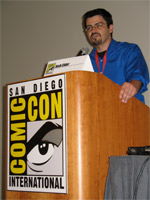

Portrait by Jen Brazas
How are you involved in the comic book industry?
I started as a college intern in the Publicity and Editorial departments at DC Comics. Upon graduation, I had a brief stint as an Associate Editor at Wizard: The Comic Magazine. In 2005, I won the Grand Prize in TOKYOPOP's Rising Stars of Manga contest (think American Idol for cartoonists) with Mail Order Ninja, which was swiftly picked up as a book series and then a nationally syndicated comic strip.
That led to writing The Batman Strikes at DC Comics and StarCraft for Blizzard Entertainment. I'm currently working on a number of different projects of my own, as well as other licensed properties that I can't really talk about yet.
How did you get into reading comics? What about drawing them?
My mother -- a school librarian -- was reading to me as she did every night before putting me to bed. Usually that meant a chapter book or some classic kid lit, but that night, for reasons lost to antiquity, I got to choose the reading material. And like any red-blooded American male my age, I chose a comic. Issue number four of The Transformers to be precise.
Everything was going great. right up until mom's laryngitis caught up with her, causing her to lose her voice barely halfway through the issue. This was completely unacceptable. Optimus Prime was in a lot of danger, and I had to make sure he was going to be okay.
So I used the comic to teach myself how to read so I could finish the comic. And right from the beginning, I wanted to create my own comics.
What is Reading With Pictures all about?
Reading With Pictures is a nonprofit organization that advocates the use of comics in the classroom to promote literacy and improve educational outcomes for all students. We work with academics to cultivate groundbreaking research into the proper role of comics in education. We collaborate with cartoonists to produce exceptional graphic novel content for scholastic use. Most importantly, we partner with educators to develop a system of best practices for integrating comics into their curriculum.
Continue reading this entry »
— Rose Lannin
Feature Tue Mar 09 2010
A relative newcomer to Chicago's comic book scene, Jenny Frison began working locally in mid-2008, making covers for Devil's Due Publishing's Hack/Slash and Voltron. She moved on to various other titles, including webcomic-turned-print The Dreamer and Angel, put out by IDW Publishing. Her success should not come as a surprise: no stranger to adaptability, Jenny has moved from Peoria to New Jersey to Wyoming and back to Illinois again. From her early days with Wonder Woman audiobooks to studying illustration at the esteemed Joe Kubert School of Cartoon and Graphic Art, with a brief detour working on a ranch, Jenny's path has wound its back to way to Chicago and professional illustration. An early interest in comics, an eye for cover design, and a desire to incorporate diverse art forms into her craft make her professional and geographic location a natural one. Currently, she is drawing a cover for Marvel's Girl Comics, a three-issue anthology featuring some of the most talented female artists and writers in the industry.
Jenny is unique in that she has a distinctive, Art Noveau-influenced style but is willingly not locked into it, works mainly on covers, and occupies the still relatively rare position of being a female comic book professional. We discussed how these qualities have shaped her career, as well as the portrayal of women in comics, how she makes a cover, and the difficulties inherent in breaking into the professional world of comics.
Name: Jenny Frison
Job: Freelance Comic Book Cover Artist
Age: 29
Location: Albany Park
Hometown: Born in Billings, MT, grew up in Peoria, IL
Website: http://jennyfrison.com/
Favorite place in Chicago: Before I moved here, I was a latchkey adult -- I moved from IL to New Jersey to Wyoming to IL, when I finally moved to Chicago I was sort of indefinitely here. Now that I have my own apartment and I have my own studio, I really like being here. Outside of my own apartment, probably Challengers Comics. I (heart) Challengers.
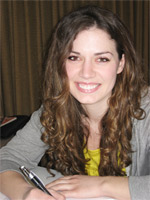
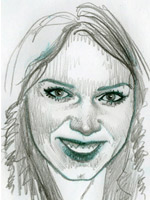
Self-portrait
You're an illustrator -- do you work more with comics or regular book covers?
I mostly do work in comics. I went to college to be an illustrator, I got my specialization in illustration from Northern Illinois and I always sort of loved comics -- this is a very long answer to your very short question...
Go for it.
After Northern Illinois, I went to the Kubert School in New Jersey to study the comic book art trade, and while I was there, I became aware that what I really did love was cover illustration -- doing a story in one drawing rather than doing sequential art, like comic book pages.
Continue reading this entry »
— Rose Lannin /
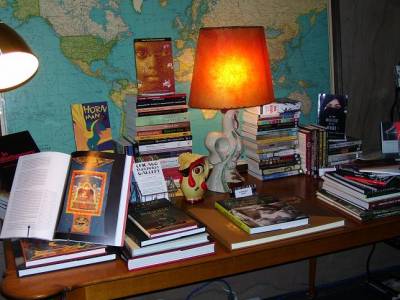
This weekend marked the opening of the Chicago Publishers Gallery at the Chicago Cultural Center. The first of its kind, the Publishers Gallery showcases an impressive collection of books and periodicals from over 100 local publishers, giving equal attention to well-known publishers, such as the University of Chicago Press, to independent presses, such as Rose Metal Press, to zines, trade publications, comic books and children's literature. Tucked away in two corners of the Cultural Center, the Gallery displays its more than 1500 selections neatly on shelves and tables lit by the soft glow of desk lamps, creating a feeling of a comfortable, book-loving home rather than a stark, sterile museum gallery. While materials cannot be taken out of the Gallery area, there are chairs available to aid in browsing and all of the displayed titles are available for purchase online and through local booksellers.
The vision of the Gallery is to bring much-deserved attention to our city's literary contributions. "Together we're going to make Chicago publishers known throughout the world," said Lois Weisberg, Commissioner of the Chicago Department of Cultural Affairs. "Publishing may not be as celebrated as some of the other industries, but it is more than worthy of our support."
On a panel of local authors and publishers at the Gallery's press opening, Rick Kogan, Audrey Niffenegger, Haki Madhubuti, Jonathan Messinger, and Dominique Raccah discussed the importance of keeping the literary arts alive. "The book isn't going anywhere," said Messinger of Featherproof Books and Time Out Chicago. "Most of literature goes online, but books will always be like vinyl. Most people listen to iPods now, but you still have people who collect vinyl." Niffenegger, author of The Time Traveler's Wife and faculty at Columbia College's Center for Book and Paper Arts agreed: "You can't say the book is going away. You cannot take the Kindle and read it in the bathtub."
Founder and CEO of Sourcebooks, Inc., Raccah praised Chicago's publishing industry for encouraging local writers. "There has never been a better time to be a writer today," she said. "There are so many ways to get your book out...self-publishing, micropresses, indie presses, zines...a lot of different ways to get to your readers. And it's all about the readers."
Tribune columnist and author Kogan and Third World Press publisher Madhubuti lamented the decline of importance placed on books. "In your home there must be a library," Madhubuti stressed. "Books are critical. Life-giving, life-saving information can only be found in two or three places. Libraries are one of them." Kogan agreed, remembering libraries as remarkable places that he visited as a child. "This event is a wonderful thing - it gives a moment of respect to publishing," Kogan said as he bemoaned the loss of books sections in the Tribune and the Sun-Times. "There is nothing like a small child being empowered by words."
The Chicago Cultural Center is open everyday, except for holidays, and admission to the Publishers Gallery is free. For a brief look at the Gallery, you can peruse their website and learn about some of the book publishers, periodicals, and web publications that make Chicago the rich literary community that it is. The Gallery is an inspiring and eye-opening collection and offers an introduction to the wealth of talent the city possesses. It will certainly do well to complete Weisberg's vision of giving Chicago publishing the attention it deserves.
— Veronica Bond
News Mon Feb 18 2008
The Guardian profiles the University of Chicago's Sudhir Venkatesh, whose memoir Gang Leader for a Day details his experience as a graduate student researching gangs in the Robert Taylor Homes. Venkatesh reveals why he's the "black sheep of [his] discipline," describes his research method of "hanging out," and talks about why he feels guilt but not regret.
— Veronica Bond
Installment #175 of the Bat Segundo show features local author Adam Langer talking about his latest work, Ellington Boulevard, as well as his writing methods, classical music, Candide and "dissertations with bad titles," among many other things. Click on the bat to download the mp3.
— Veronica Bond
by Kara Luger
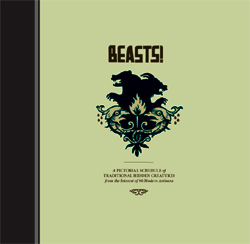 There are many things to be afraid of in this world: sickness, global warming, the next Britney Spears freakout. Although Beasts! is a monster of a compendium, featuring nearly 100 of the frightening and lamentable critters, it is luckily the least of your worries.
Lovingly curated by Jacob Covey, the book features artists from various fields — graphic novelists, children's books illustrators, fine artists, rock poster-makers, skate graphics guys, etc. — who were assembled to give lend their visage. A brief bio accompanies each beast, so the book is informational as well as, you know, cool.
In celebration of the book's release, a whole slew of Chicago-area contributors will be on-hand to sign copies of Beasts!, including Dan Grzeca, Jason Robards, The Little Friends of Printmaking, Anders Nilsen, Julie Murphy and Justin B. Williams. The shindig goes down at 7pm on Friday, March 9, at Quimby's, 1854 W. North Ave.
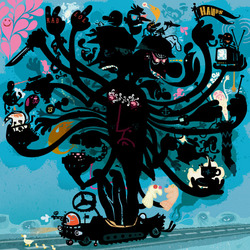
I spoke with JW and Melissa Buchanan of The Little Friends of Printmaking about the travails of their adopted beast, the unfortunate Hundred-Handed Giant.
Kara Luger: How did you choose which beast to do?
The Little Friends of Printmaking: We picked it from a big long list. It was like a nine-page document with little descriptions. We tried to read it and respond as fast as possible because we felt like it was a race. Stephan Britt had already taken the troll, so we were like, "Oh, snap."
I think it's a good way to get artists to participate in a book: to create competitive pandemonium, and to have them fight to the death over who gets to doodle a Bigfoot.
 KL: What did you find attractive or interesting about the Hundred-Handed Giant?
LFOP: We narrowed it down to about five different monsters, but we ended up choosing the Hundred-Handed Giant because it would be the most fun to draw. We read somewhere that they were kind of stupid, which is endearing.
KL: Your beast doesn't seem as fearsome as he is misunderstood.
LFOP: I think that he's a functional illiterate and he has a hard time controlling his rage. The existence of the Internet is an enormous insult to him because he can't read it. Also, he can't go to the movies because he is always naked. So definitely, he's misunderstood.
KL: The beasts in the book are typically mythological/folkloric in nature (i.e. non-modern). What is a modern beast you'd like to portray?
LFOP: We really want to do a drawing of a labradoodle, which is half-lion, half-suicide bomber and covered in sh*t.
KL: What's on the horizon for Little Friends?
LFOP: The sweet embrace of death. For you Chicago people, we're going to be in We're Rollin',They're Hatin', a show during VersionFest7 that also features the likes of Cody Hudson and Paper Rad. Otherwise, some toys and the usual.
— Alice Maggio
And, speaking of local comics artists, The Pulse has a quick interview with Jeffrey Brown about his forthcoming collection, Feeble Attempts.
— Alice Maggio
Author Sara Gruen may be a native Canadian, but she currently resides in Chicago's northwest suburbs. She has been getting lots of attention for her newest book, Water for Elephants (Algonquin Books, 2006), a love story set in a circus during the Depression. Dave Weich recently spoke with the author, and you can read the full interview at Powells.com. NPR also featured the novel in its "Summer Reading 2006" feature where you can read an excerpt from the book.
— Alice Maggio
The Sun-Times has a nice little article on local author Mark Richard Zubro whose mystery series leaves little to the imagination. At least, in terms of his detectives' sexual orientations, that is. Zubro's latest book is the 11th in his series and while his gay male leading detectives are more than just partners in crime, the first book in the series was picked up without rejection. The question you have to wonder is how prevalent this is becoming in other genres and how many rejections it'll take before these start appearing on the big screen.
— Veronica Bond