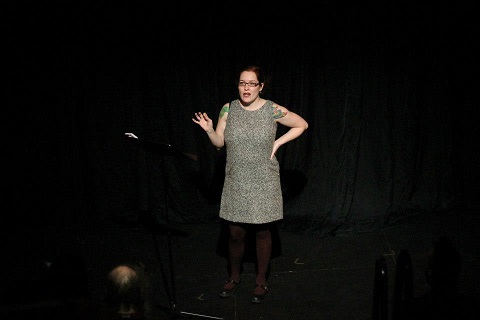
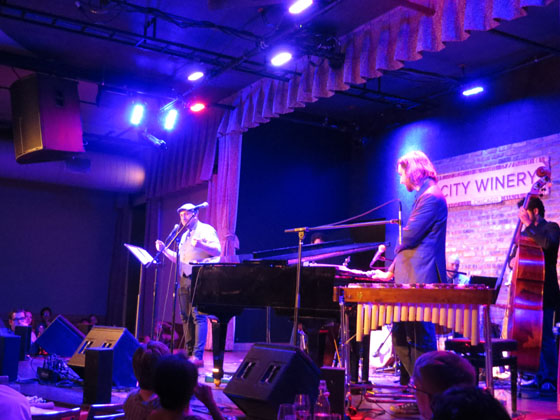
"We've got a great tradition of storytelling rooted [in Chicago], thanks to the likes of Studs and Ira and Royko and many others. But one thing that I know is on a lot of people's minds right now is where do we go from here? Now that we have created this "community" of storytelling, what do we do with it? And what do we do with the form so that it doesn't stagnate?"
So writes Guts & Glory co-host and Essay Fiesta co-founder founder Keith Ecker on his personal blog. For a look into current and future Chicago projects that are challenging, expanding, or redefining the future of live lit in our city, read on.
— Lara Levitan
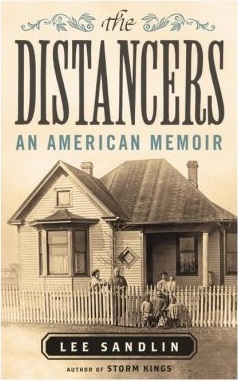 Family history is its own unique animal--stories about love, loss and mayhem at funerals, weddings, or just dinnertime resonate more deeply when you're related to the participants by blood. (Of course, we're living history every minute, though that rarely occurs to us in the moment; the march of time is something that happens to other people.) In The Distancers, Lee Sandlin's wonderful ode to decades of familial lore, the reader experiences the narratives of Sandlin's clan, but I'd be surprised if they didn't recognize their own family members among the many portraits he draws.
Originally published in twelve installments in the Reader, The Distancers introduces us to four great-aunts and uncles in the preface: Hilda, Helen, Marty, and Eugene. They live together in Edwardsville, Ill., in a home that's been in the family for generations, and the young Lee Sandlin visits them every summer. (I was instantly transported back in time to week-long summer trips to my grandparents' home in Missouri.) Back then, he knows nothing about them; the rest of the book traces their journey, and the journeys of those who came before them, over a span of time that begins in 1850 and ends in the present day. We're taken everywhere from a late nineteenth century family-run hotel and saloon, to Sacramento Avenue in Chicago, to the battlefields of World War II.
One of the most fascinating aspects of the book is the way in which major world events are viewed through the prism of one family's experience; for example, tradition held that Sandlin's great-great-great grandfather, Peter, was so removed from the rest of the world that he never knew that the Civil War took place until he heard church bells ringing one morning in the fields, celebrating its end.
We follow along as Sandlin tries to peel back the layers around his childhood summer caretakers. Eugene, in particular, is a figure steeped in mystery--he creates a world of self-imposed isolation for himself, riding the rails as a hobo and devoting years to the creation of a sprawling, magnificent garden outside the Edwardsville home. But Hilda, Helen, and Marty's stories also defy the more straightforward aspects of the marriage-and-children arc that typifies the life stories of many of the other characters we meet. Their lives, seemingly simple and largely circumscribed by the boundaries of Edwardsville, seem out of the ordinary. And while Sandlin makes it clear that they would brook no personal discussions, this book is a reminder that everyone's life is an amazing story. And to go and ask Grandma whatever happened to Uncle Joe.
— Emilie Syberg
Events Wed Aug 28 2013
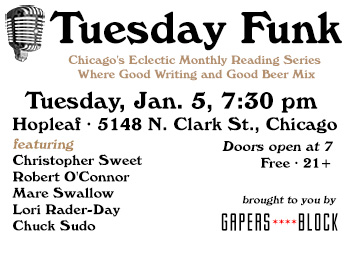
 With a monthly lineup as lovingly crafted as its host establishment's beer list, there is always something to love at Tuesday Funk... whether it's the fiction, the essays, the booze, or some combination thereof. Your hosts William Shunn and GB's own Andrew Huff keep the crowd entertained with poems about dogs and Chicago-themed haiku, and did I mention there's beer? This is Hopleaf, after all.
September's lineup includes Aleksandar Hemon, MacArthur Genius and acclaimed author of The Book of My Lives, as well as Virginia Konchan, Lania Knight, Norman Doucet and series co-host William Shunn.
Tuesday Funk is on Tuesday (duh), September 3, and the first Tuesday of every month, at Hopleaf Bar, at 5148 N. Clark St., upstairs lounge. Show starts at 7:30 pm and is free. You must be 21+ to enter. Insider tip: the doors open at 7:00 pm, and you may just want to show up early to get a good seat. Readings are often standing room only.
Image courtesy of the Tuesday Funk website
— Eden Robins
Events Tue Aug 27 2013
 After a summer of leaks, government surveillance, and Miley's terrifying army of giant teddy bears, we might have to explore our feelings of persecution. The Pre-PostHumanists Present: have your back. (Or do they???) The new reading series debuts on Wednesday, August 28 at 8:00 pm at Strawdog Theatre Company, 3829 North Broadway.
Unlike most Live Lit events in which the author is also the performer of his or her own piece, The Pre-PostHumanists Present: rework accepted submissions to bring the piece to life. After initial edits, the story is given to a director and cast of actors who will stage a performance based on the written work. The first installment will showcase stories by James Tadd Adcox and C. James Bye. Adcox is the author of The Map of the Systems of Human Knowledge, and his work has appeared in TriQuarterly, Barrelhouse Magazine, and n+1. Bye is the co-founder/Managing Editor of Knee-Jerk Magazine, and the co-editor of The Way We Sleep, an anthology of prose and comics about sleep published by Curbside Splendor in 2012. Brandon Eells and Eleni Pappageorge star; Sara Gorsky, Matt Kahler, John B Leen, Kayla Pulley, Benjamin Vigeant, and Johnard Washington round out the cast. The show is directed by Alex Huntsberger.
Tickets are $10. Doors and bar open at 7 pm. This month's topic is "Paranoia." This intriguing collaboration between Live Lit and theater could very well ease our suspicion of others through the power of story. (Or will it make it worse????)
Photo courtesy of The Pre-PostHumanists Facebook Page.
— Ines Bellina
This Thursday, August 29 join author Sheila Scobba Banning for a reading from her new novel Terroir at The Book Cellar, 4736 N. Lincoln Ave. at 7pm.
Published by Winter Goose Publishing, Terroir follows a female protagonist who runs a winery. During a perfect growing season, the character's life begins to unravel-- to find out why, you'll have to come to the reading.
The Book Cellar offers bar service, so get there early to grab a seat and a glass of wine, an apt pairing for this story. Books will be available with a signing to follow. There is no cover.
— John Wawrzaszek
Books Tue Aug 27 2013
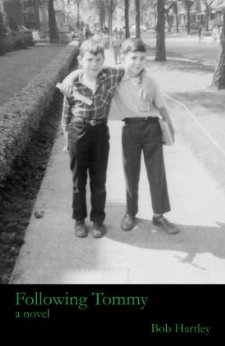 At first glance there's something sepia-toned about Following Tommy, the debut novel of former West Sider Bob Hartley. The photographs one imagines him working from could be hung on the walls of any old watering hole in town to add a whiff of authenticity. There's the working-class kid in a T-shirt on his front stoop with a paperback and a beer. There are the buttoned-up churchgoers passing by. There's the pretty girl behind the counter of a diner. And it's true that we don't get much more than snapshots of even the primary characters -- with the book barely breaching the hundred-page mark, there isn't time to go deep. The three boys at the center of the book can be pretty well summed up as the smart one, the mean one, and the dumb, fat one. Dad's a drunk holding onto his Irish accent and the memory of his dead wife. As for the women, they're sainted matriarchs, tough old broads, or friendly sexpots.
But if this vision of the Austin neighborhood in the early 1960s comes off as a little schematic, one quickly realizes that it is lit by no glow of nostalgia. This Chicago is violent, judgmental, and utterly driven by clout. Richard J. Daley's machine turns the gears of one major plotline, and its motions are omnipresent in the little details of voter fraud and straight-ticket loyalty to the alderman who kisses everyone's babies and sends envelopes of money to their weddings. At a crucial point, he also gets protagonist Jacky O'Day, his older brother Tommy, and his cousin Hippo out of jail.
The boys don't exactly deserve to be sprung loose. They really did rob that department store and break into that bar and accidentally poison that cop's dog. But they're set free because the ward is also intensely racist. The Austin neighborhood was 99.8% white in the 1960 census, but by the time the book's action rolls around, residents are as nervous about the block-busting techniques they've seen uproot other neighborhoods as they are about the actual prospect of having black neighbors. Enter the need for a few local thugs to keep things under control.
Whatever their deeper motives, most of the neighbors are happy to cheer on Tommy as he wages a campaign of harassment against the first black family to move in, fueled by dreams of joining the comfortably corrupt and winning a job that exists on paper and paycheck only. For Jacky, too, it feels good at first: for the first time since their mother died and their father lost his job, the boys are buoyed by the neighborhood and its political establishment. Suddenly, they begin to reap the full benefits of white privilege that had previously been blocked by their poverty and criminality.
But Jacky's moral compass hasn't been entirely smashed by his hard adolescence, and eventually, he makes moves to extract himself from Austin's manicured mean streets. We're not sure what life will hold for him at the end of the book; he's just barely better than his surroundings, and things might go okay or might not. For the neighborhood he's leaving, things will not be okay at all. Years of racial tension and decades of poverty await.
The Chicago Hartley writes about, it turns out, is my grandfather's Chicago. When I moved here as an adult, I was intrigued to learn of his connection to the city, eager to hear about the old days. Though he wasn't born here, it turned out he'd spent some time staying with friends and relatives as a young man -- mostly, I came to gather, on the Lithuanian South Side where white fear was driving the people he knew farther south and southwest. He has talked a little about that, and about the Maxwell Street Market that the O'Day boys visit to hawk their stolen goods; he has talked about these things in casually, appallingly racist terms. (I should note he is somewhat impaired by old age and poor health; he might otherwise be a better man, but he might not.)
It shocked me, but it shouldn't have. I was looking for some cool stories that would make me feel as though I had some insight into Chicago's authentic past. I got something authentic, all right, but it was nothing I could repeat to my friends. Nothing to celebrate.
Can I say, then, that Following Tommy is a good substitute for a racist grandpa? I don't mean that as an insult. I just mean that it leaves you with the same bracing and valuable realization: for outsiders of any stripe, the past has rarely been a hospitable neighborhood. If the book's prose occasionally seems a bit short on charm, that might well be an ethical, rather than an aesthetic, choice.
— Daphne Sidor /
Author Mon Aug 26 2013
If you regularly attend live lit events in Chicago, you've probably considered contributing your own work at least once. Maybe you've been lurking in the back of the audience for years, longing to join in. Maybe you're an aspiring writer with no performance experience. Maybe you're a fan of a particular series, but just have no clue how to get involved.
If you fall into any of these categories, this guide is for you. No matter your level of experience or expertise, you can break into Chicago's live lit scene. All it takes is a little persistent effort and an intelligent use of your time. Here are some pointers.
Step #1: Find a "Home"
There are many, many live literary events in Chicago spanning a variety of topics, settings, and audiences. If you're new to the scene, it's tempting to adopt a scatter-shot approach, applying willy-nilly to any and every show you can think of. But if you're a new writer/performer, cool your jets. Focus on shows that are amenable to your own style and topics of interest.
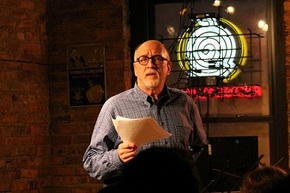
Do you like to write personal creative essays? Story Club, Essay Fiesta, or This Much is True might be the place for you. Do you prefer to tell a story off the cuff, free of notes? Go for The Moth or Do Not Submit. Do you prefer nonfiction that covers current events or pop culture? The Paper Machete is your bag. Do you have a gritty, explicit tale to tell? Guts & Glory or The Sunday Night Sex Show are your spots. Choosing an appropriate setting for your work is absolutely essential.
Step #2: Become a Regular
Establish a rapport with the show (or shows) you'd like to submit to. Each show is its own microcosm within the live lit community, and to become a member of that community you must show your face. Hang around and chat with contributors after the show, or send the show's organizers a nice email or Facebook post.
Attend a show multiple times before submitting your work to its hosts. This will improve your chances in two ways. First, it will allow your to learn the show's unique style, and second, it will convince the show's hosts that you are a thoughtful, decent member of the live lit community (and not a foaming psychopath)-- both of which will vastly improve your odds.
Step #3: Learn the House Style
Every live lit series has its own unique style, and the only way to master the style is to attend regularly and pay close attention. Before submitting work to a series, ask yourself the following: How long is the average piece? Do contributions ever contain explicit content? Do contributors use the first person, or is it more journalistic? Do readers use notes or do they speak extemporaneously? Is work laugh-a-minute, or more subdued and serious? How irreverent are the stories? How conversational are they?
Once you have a good sense of a series' style (and what distinguishes it from other shows), you are ready to start writing. As you write your piece, never lose track of the desired tone, length, and style. The ideal submission should be a perfect amalgam of the show's overall sensibility and your own unique voice.
Step #4: Find the Appropriate Submission Channel
Live lit shows accept new work in a variety of ways. Make sure you play by a show's particular rules so you don't irritate the hosts and organizers with emails or in-person queries that don't follow the standard procedure. Usually you can find the appropriate submissions method on the series' website or on their social media pages.
Some shows, like Do Not Submit, Story Club, and The Moth run on an open-mic basis, in which case the only way to participate is to show up early, put your name in, and wait for the opportunity to share. Other shows, like Essay Fiesta, Fictlicious, and Write Club accept online submissions. In some cases, shows have dedicated open mic nights that are distinct from the main show, but give new writers the opportunity to try out material and eventually snag a spot at the main event. For example, The Paper Machete, runs an open-mic writing group the first Wednesday of every month that occasionally feeds new writers into the main show. 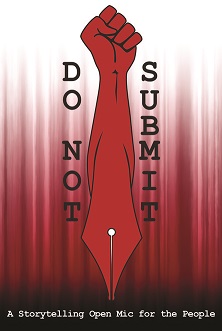
Step #5: Be Not Afraid!
Even if you carefully study the show you are submitting to, attend it often, schmooze with the hosts, and craft a piece you are utterly happy with, you might face disappointment. Before you swear off live lit entirely, remember that work is rejected for all kinds of reasons. Maybe your story wasn't appropriate for the venue or the event. Maybe the hosts have a big backlog of performers on their schedule. Maybe you're close to the appropriate style or tone, but haven't quite perfected it.
A rejection does not mean that your writing is terrible or that the hosts dislike you. Try again! Almost no one gets a story into a show the first time they try. Learning to respond to criticism or rejection is a crucial stage of development as a writer or a performer.
Anecdote in point: Earlier this summer, I sent a few samples to Karen and Willy at Essay Fiesta. At first they gave me the kindest, most encouraging rejection ever. The pieces I sent just weren't right, but they were close, and I was encouraged to submit again. I spent more time editing some other work and attending Essay Fiesta, then I submitted two more pieces a few months later and got into the show. I'm sure most writers have had similar experiences with live lit shows (or lit mags). Tenacity and sensitivity to criticism can really pay off in both cases!
Step #6: Do it! Now!
There you have it! You now have the tools to begin a foray into live lit. Actually, you probably had all of these tools before you even clicked on this piece. If you're an avid attendee of lit events in Chicago, you already know a great deal about what works and what doesn't in live storytelling. So use your knowledge, write a piece, and take it out on the town.
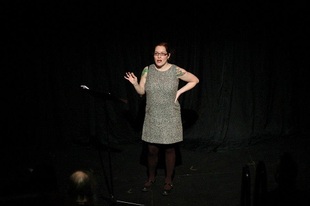
Photo of Larry Kerns at This Much is True by Jill Howe is courtesy of the This Much is True website.
Photo of JH Palmer at a recent Story Club event by Jill Howe courtesy of Story Club's website.
Do Not Submit postcard image is courtesy of Do Not Submit's website.
— Erika Price /
Events Mon Aug 26 2013
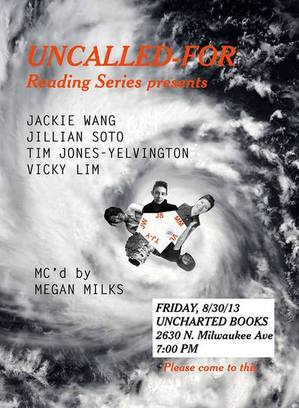 'Tis the season for beloved old reading series of yore to revisit us as briefly and brightly as the one last 90-degree week before fall. Apparently. Along with Quickies' visit to The Hideout tonight, Uncalled-for Readings Chicago will return for a one-off version of the "mostly queer, mostly prose" event on Friday, August 30, at Uncharted Books (2630 N. Milwaukee) at 7pm.
Past installments have achieved a blend of the experimental and the ultra-personal--sometimes in the same piece--and Friday's lineup seems poised to stay true to form. Series cofounder Megan Milks hosts four readers that includes other cofounder Tim Jones-Yelvington, whose phenomenally entertaining performances draw on celebrity culture and a sort of teen-idol-from-outer-space sartorial style. Jackie Wang also works in many modes--her many projects include, intriguingly, an in-the-works book about "revolutionary loneliness" for Semiotext(e)--as does Jillian Soto. Finally, there's Vicky Lim, whose zines have included Dear Jaguar and the newer Abstract Door.
— Daphne Sidor
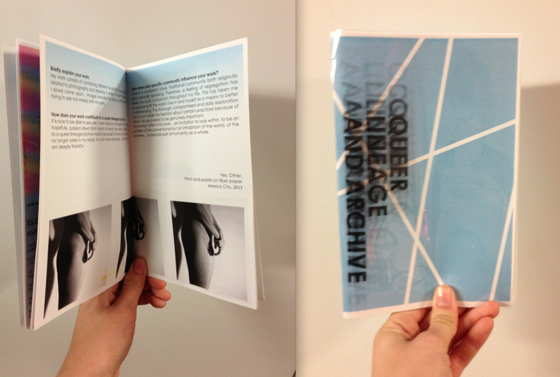
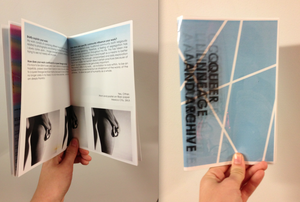 3rd Language is a relatively young, Chicago-based collective of queer artists and writers, and both skill sets are amply reflected in its quarterly zine series. Each issue gathers essays, poetry, comics, photography, and more into a themed publication marked by increasingly lovely graphic design--the third issue is now available online and in print, and it shows an evolution far beyond the classic cut-and-paste aesthetic.
The theme this time around is Queer Lineage and Archive, which contributors interpret in a wide variety of ways. There are Veronica Stein's ridiculously appealing photographic tableaux of "brown, queer, female" bodies in settings that look like they might be the stage for some kind of avant-garde children's theater. Mexico City artist Clara Atri's photos of women mostly hidden by the edges of the frame aim to document the fragmenting of identity that comes with being a lesbian in the kind of close-knit, traditional community where she lives. The breadth covered is remarkable: a charming comic from Clare Austen-Smith that uses five significant objects to tell her own coming-out story sits right alongside Adam Liam Rose's documentation of Israeli-Palestinian conflict, for instance. You can read Queer Lineage and Archive for free online, but to get the full visual effect you might want to track down a physical copy.
— Daphne Sidor
 Yuck it up all you want... Chicago is responsible for lots of etymological inventions, and it doesn't take an egghead to appreciate them. Chicago Magazine recently published a list of the top 40 words created in Chicago, listed in approximate order of importance and "overall Chicagoness." Most words have been traced back to their first appearance in print, and interestingly enough, three of the words on the list owe their existence to the venerable Saul Bellow.
Photo courtesy of Chicago Magazine
— Eden Robins
Events Sat Aug 24 2013
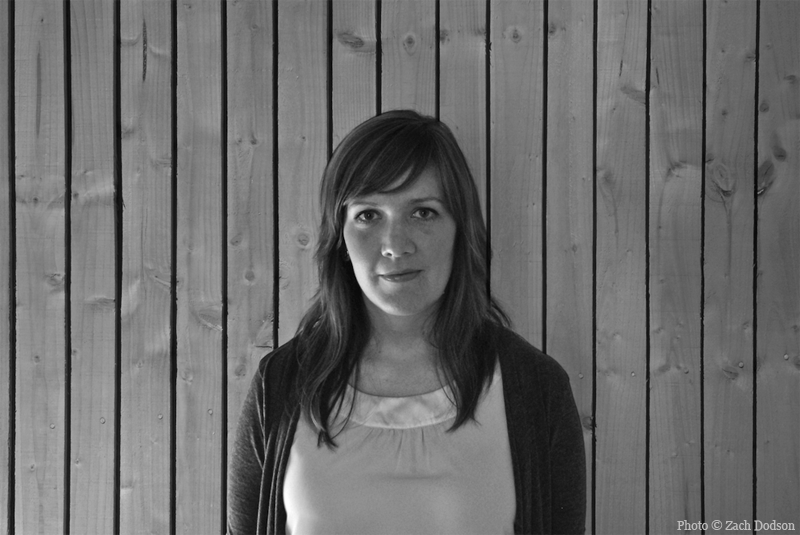 By the time it went on hiatus in 2011, Quickies seemed to have perfected the reading-series formula. First: get lots and lots of readers, and you're guaranteed a good crowd. Second: favor an edgy, funny sensibility that makes the crowd sit up and pay attention. Third: have it at a good bar (usually the Innertown Pub). And finally: strictly enforce a limit of four minutes of prose to cut any potential boredom off at the pass. It all made for a laid-back, exceedingly accessible night out on the town.
Mary Hamilton, Lindsay Hunter, and company will try to recreate that magic in a one-off event at The Hideout (1354 W. Wabansia) on Monday, August 26 at 8pm. The lineup is packed with Quickies alums and other local-lit movers and shakers. Hunter herself has just published short-story collection Don't Kiss Me, and she'll be joined by readers including Samantha Irby (Meaty), Jac Jemc (My Only Wife), Jonathan Messinger, and Chris Terry. Plus a half-dozen others. Time your trips to the bar or the bathroom wisely so as not to miss your favorites.
Photo of Lindsay Hunter © Zach Dodson.
— Daphne Sidor /
Tonight! Neil Steinberg celebrates the paperback edition of You Were Never in Chicago with a reading at The Book Cellar.
Tonight! Elwin Cotman reads from Hard Time Blues with Patty Templeton at Quimby's.
Saturday! Joe Gustaitis presents Chicago's Greatest Year, 1893: The White City and the Birth of a Modern Metropolis at the West Town library.
Saturday! Release party for Natalie Slater's cookbook Bake and Destroy: Good food for Bad Vegans. Get your book signed and try some of the recipes at Challengers Comics.
— Lara Levitan
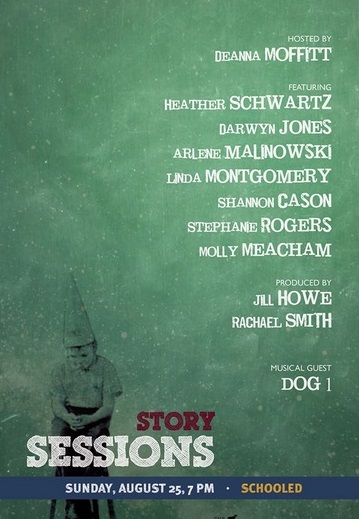 No matter how old I get, the end of summer will always mean the sound of school bells, the smell of sharpened pencils, and the thrill of tearing open a shiny new Trapper Keeper. It's back-to-school time! What better way to celebrate than with an installment of Story Sessions that is themed "Schooled"? Story Sessions is a monthly storytelling series that presents true personal stories, and it's been selling out since it debuted in April. (We Chicagoans like our stories.) Hosted as always by Deanna Moffitt, this month's show will feature performances by Heather Schwartz, Darwyn Jones, Arlene Malinowski, Linda Montgomery, Shannon Cason, Stephanie Rogers and Molly Meacham, as well as house band Dog 1 and the artistry of Betsy Cypert. If you're interested, don't just show up The Dog's Bollox on Sunday, August 25 at 7pm. Buy your $7 tickets in advance, get there early, and be prepared to laugh and aww and maybe even learn something.
— Alba Machado
Reviews Thu Aug 22 2013
This is the first in a series of reviews of fiction by Chicago authors. These books are chosen by YOU (and, well, me). To suggest a title I should review, comment here, tweet me @edenrobins and/or use the hashtag #faveChicagobooks!
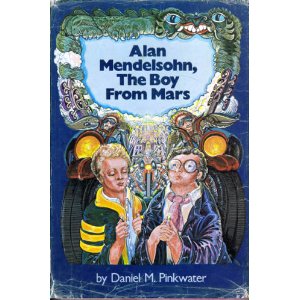 When I was a kid, the world was kind of a disappointment. Back then, playing pretend was serious. It was boot camp. It was the training I knew I'd need to one day inhabit the glorious, magical, hidden worlds that would inevitably reveal themselves. Any day, I thought. Any day.
I can't remember when I stopped searching for magical hidden worlds, but I think my life is poorer for it. And this is part of the reason why I adore Daniel Pinkwater. He unapologetically inhabits these bizarre, secret, magical worlds. Though it's ostensibly only for kids, I personally think every adult -- human, Martian and Venusian -- should read Alan Mendelsohn, the Boy from Mars.
Continue reading this entry »
— Eden Robins
Contest Wed Aug 21 2013
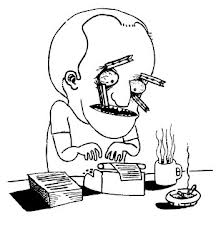 Maybe your Labor Day weekend plans have you going out of town for one last hurrah, or lounging on Oak Street Beach, or hunching over your grill, savoring the final greasy aromas of summer. But instead of all that, why not lock yourself in a room and write a novel?
The 3-Day Novel Contest will let you do just that. The contest has been torturing writers since 1977, making them write an entire novel over Labor Day weekend with no editing after the fact and very little preparation ahead of time. Kinda like NaNoWriMo on steroids. If you're one of those writers who needs a kick in the rear and a little competition to get those creative juices flowing, this just might be your jam. Plus there's the added incentive of prizes -- the first prize winner actually gets a book deal with Anvil Press for their unedited, 72-hours-in-the-making novel, and second and third place get cash prizes. Chicago is due for another win... the last time a Chicagoan triumphed in the 3-Day Novel Contest was back in '04, when Megan Austin and Shannon Mullally teamed up to write Love Block. You don't have to submit your novel for consideration, of course, but why not heap the possibility of rejection on top of all that work?
Sound like something you'd be into? Don't dilly-dally... registration is only accepted through August 30th. It'll set you back $50 and can be done online or by "cheque." Gotta love those Canadians.
Image courtesy of Brian Henry's Quick Brown Fox blog.
— Eden Robins /
Author Wed Aug 21 2013
In the lit scene, Mason Johnson's is one of those faces that seem to be everywhere. The next place you might run into him is at Cole's, 2338 N Milwaukee Ave., on Saturday, August 24 for the release of his new book, Sad Robot Stories. Read a review of the novel on Gapers Block by Book Club's own Alba Machado.

Johnson started his journey at Columbia College studying fiction writing. As a student he hosted Columbia's Silver Tongue student reading series. This was the start of his love of being on stage and commanding an audience. After graduation, he started P. Fanatics, the now-defunct monthly reading series held at Cole's. His day job is writing content for CBS Chicago online, but he still finds ways to get on stage, most recently to address audiences as a co-host and judge of the Curbside Splendor sponsored Karaoke Idol.
Continue reading this entry »
— John Wawrzaszek
Beginning next week, Chicago public school bells across the city will ring in the beginning of a fresh school year. To celebrate this season of new beginnings (and to relive the excitement of that English class reading list), we at Book Club have compiled a list of our favorite "back-to-school books": stories that capture, with breathtaking accuracy, the friendships, romances and, in some cases, the cockroach butlers that fill the semesters of our characters' lives. Read on, and don't forget to comment on your faves!
Continue reading this entry »
— Book Club /
Reviews Mon Aug 19 2013
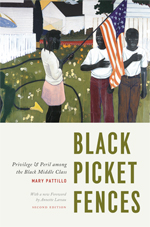 Oh, the kids. They have trouble finding and then committing to a career. The ones who do graduate college often move back in with their parents. And instead of diligently pursuing the next milestone, they're likely to spend their time hanging out with friends and chasing after the latest expensive fashion trends.
They aren't the subject of yet another trend piece about the perceived failings of millennials. Instead, they're reaching adulthood in the mid-1990s, in a black, middle-class neighborhood on Chicago's far South Side pseudonymously known as Groveland. This is the terrain of Mary Pattillo's Black Picket Fences: Privilege & Peril Among the Black Middle Class, originally published in 1999 after Pattillo spent several years living alongside the close-knit neighbors whose struggles, compromises and triumphs the book chronicles.
Continue reading this entry »
— Daphne Sidor
Author Mon Aug 19 2013
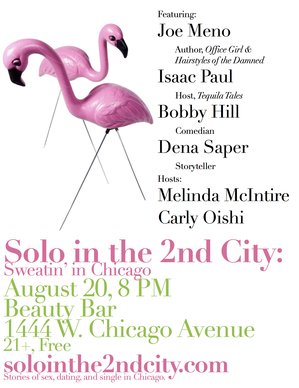 It's August in Chicago, which means everyone is sweating. Unfortunately, there are also those among us (ehem) who not only perspire in the heat but do so in front of a prospective date, potential lover, or unrequited crush. Lucky for us, we can find solace in Solo in the 2nd City: Sweatin' in Chicago on Tuesday, August 20 at 8:00 pm at Beauty Bar, 1444 W. Chicago Avenue. The reading series, hosted by bloggers and storytellers Carly Oishi & Melinda McIntire, will highlight personal essays about summer dating, sex, and relationships. This month's readers include Tequila Tales host Isaac Paul, comedian Bobby Hill, storyteller Dena Saper, and local author Joe Meno. Meno is a fiction writer and playwright who's won multiple awards including the Nelson Algren Literary Award and a Pushcart Prize. Author of six novels and two short story collections, Meno's work has been published in the likes of McSweeney's, TriQuarterly, Chicago Magazine, and The New York Times.
The event is 21 and over and free. Donations are collected for Chicago Women's Health Center. Who knows? You might find the love of your life sitting in the crowd. At the very least, you'll fall head over heels for the night's amusing tales of woe.
Picture courtesy of Solo in the 2nd City website
— Ines Bellina
Author Mon Aug 19 2013
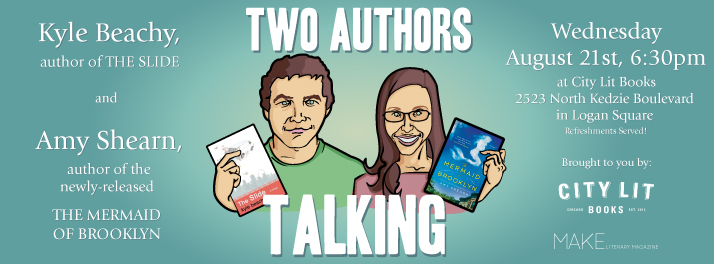
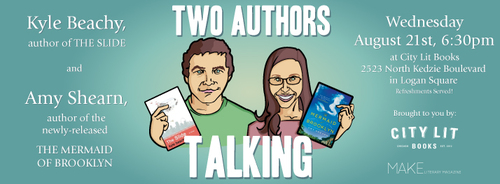
Chicago meets Brooklyn this Wednesday August 21 with Two Authors Talking at City Lit Books 2523 N. Kedzie. Presented by City Lit Books and MAKE Literary Productions, the two authors representing their perspective cities are NYC based author Amy Shearn and hometown author of The Slide and Logan Square resident Kyle Beachy. Shearn is promoting her newest novel The Mermaid of Brooklyn. Beachy is a contributing editor at MAKE who's collaboration with Chicago comics artists Anders Nilsen will appear in the magazine's upcoming issue themed 'Visual Culture'.
The event will feature readings from the authors followed by a conversation covering topics such as their process and writing in their perspective cities. Gapers Block got to ask Beachy a few questions in prep for this event.
Continue reading this entry »
— John Wawrzaszek
Tonight! A release party for Mary Gray Kaye's A Winged Thing, and Holy at Women & Children First.
Saturday! John D'Emilio discusses the life and legacy of Bayard Rustin at the Chicago Public Library Edgewater branch.
Saturday! the seXXX files. RELEASE PARTY! at Uncharted Books (email getbacktoprint@gmail.com).
Saturday! Lindsay Hunter reads from short story collection Don't Kiss Me at The Book Cellar.
Saturday and Sunday! The Greenhouse Theater Center book drive at the Greenhouse Theater.
— Lara Levitan
Books Fri Aug 16 2013
The Greenhouse Theater Center is hosting a book drive on Saturday, August 17 and Sunday, August 18 from 10 am-6pm to benefit the creation of a drama bookstall to be opened in October.
The idea for a bookshop that catered to the Chicago theater community was prompted by--what else?--a Facebook post back in June. When local writer, performer, director, and producer of The Gogo Show Mary Rose O'Connor asked on Facebook why there was no drama bookshop in the city, she received 60+ comments on the subject. Clearly, a niche needed to be filled. Fortunately for her (and all of us), the Executive Director of the Greenhouse Theater Center Jason Epperson expressed interest in housing the project.
"First and foremost, we want to serve as a literary hub for theatre makers in Chicago," said O'Connor about the bookstall's goals. "Right now, our biggest thing is making The Greenhouse Theater THE place where artists can access research materials, work, meet, rehearse, and hangout." In addition, she also hopes the bookstore is the first step to creating an academic environment where writers and directors can collaborate and foster new plays.
The Greenhouse is looking for gently used plays and books on theater, performing arts, film, dance, music, and design. Donation receipts are available. Free coffee and donuts will be served. The address for the Greenhouse Theater is 2257 N Lincoln Ave.
— Ines Bellina
Author Fri Aug 16 2013
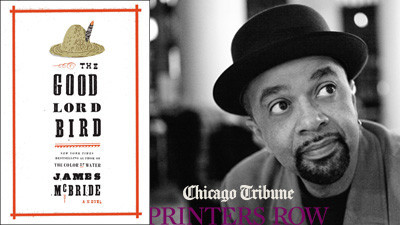 James McBride's newest historical novel is called The Good Lord Bird, which sounds like it might be a paean to Charlie Parker. It's not, but the jazz connection is no illusion. In addition to staying busy as an author and screenwriter (Miracle at St. Anna, adapted from his own novel), McBride maintains serious saxophone chops and has written material for luminaries including Anita Baker. All that will likely come out in McBride's talk at Tribune Tower (435 N. Michigan) on Tuesday, August 20, at 7pm.--he'll have Chicago Tribune jazz critic Howard Reich as an interlocutor on stage. The audience may also get a taste of Bird, a rousing tale of a young escaped slave accidentally forced into maintaining his disguise as a girl after he's taken on as a sidekick by abolitionist John Brown. Those who purchase tickets online can enter the code "BIRD" and get $5 off.
— Daphne Sidor
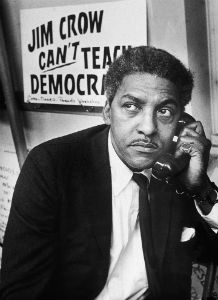
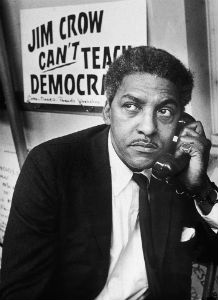 As a civil rights activist in mid-century America, Bayard Rustin was ahead of his time. The organizer of the monumental 1963 March on Washington for Jobs and Freedom, Bayard is credited with counseling Martin Luther King, Jr. in the non-violent modes of protest he learned by studying Gandhi. In 1947 Rustin organized a group of interracial men to challenge segregated seating on interstate buses, 14 years before the renowned Freedom Riders of the 1960s. And if he wasn't enough of a renegade already, Rustin was openly gay at a time when being gay usually meant being (deep) in the closet.
So why don't more people know about Bayard Rustin? This is the question posed by UIC historian John D'Emilio, who will explore the answers at Modern Lives & Movements: A Conversation with John D'Emilio on Saturday, August 17 at 2pm at the Chicago Public Library Edgewater branch, 6000 N. Broadway Street.
Now's the time to discover and celebrate the life and work of Rustin; in this month of the 50th anniversary of the March on Washington, the White House announced this week that Rustin, along with 16 others, will be awarded the Presidential Medal of Honor, the highest civilian award in the country.
Rustin died in 1987 of a perforated appendix and was survived by Walter Naegle, his partner of ten years. To bone up on Rustin before the event, read this fun-to-read profile by Steve Hendrix for the Washington Post, and check out Brother Outsider, a 2003 documentary directed by Nancy D. Kates and Bennett Singer.
D'Emilio studies movements for social justice, the history of sexuality, and gay/lesbian politics. The author or editor of nine books, he is best known for Intimate Matters: A History of Sexuality in America and Lost Prophet: the Life and Times of Bayard Rustin, which was a finalist for the National Book Award in 2003.
D'Emelio will answer questions, and copies of his books will be available for signing and sale.
Photo courtesy of the Human Rights Campaign.
— Lara Levitan
Awards Wed Aug 14 2013
 It's a good day for poets and poetry lovers: The prizes for 2013 contributions to Poetry have just been announced, with eight awards going to poets, critics, essayists, and photographers featured in the magazine during the past 12 months. Founded in Chicago in 1912, Poetry is the oldest monthly devoted to verse in the English-speaking world.
The Levinson Prize went to Joshua Mehigan for his poems The Professor, The Cement Plant, and Down in the Valley in the October 2012 issue and The Orange Bottle in the February 2013 issue.
The Bess Hokin prize was awarded to Laura Kasischke for her poems Ativan, Game, The Second Death, and You've Come Back to Me in the October 2012 issue.
The Frederick Bock prize was given to Anna Maria Hong for her poems Pluralisms and A Fable in the April 2013 issue.
Randall Mann received the J. Howard and Barbara M.J. Wood prize for his poems Nothing, Order, and Proprietary in the April 2013 issue.
Miller Oberman's translation of Old English Rune Poem by Anonymous in the July/August 2013 issue won her the John Frederick Nims Memorial Prize for Translation.
The Friends of Literature Prize was awarded to Idra Novey for her poems in the November 2012 issue, The Visitor, La Prima Victoria, and Of the Divine as Absence and Single Letter.
The Editors Prize for Feature Article was bequeathed to Eliza Griswold and Seamus Murphy for their contributions to the June 2013 issue, Landays.
And Michael Robbins received the Editors Prize for Reviewing for his review of Postmodern American Poetry: A Norton Anthology in the July/August 2013 issue.
Poetry logo courtesy of Pentagram.com
— Eden Robins
Author Wed Aug 14 2013
Writers, rejoice! As the summer days dwindle, the dreadful season of literary magazine "reading periods" is finally ending, too. Usually spanning the months of May-September, reading periods give editors the opportunity to shutter their doors, shut down their online submissions pages, and catch up on the manuscript backlog. For aspiring authors, summer means a dry spell of no submission opportunities and numerous rejection emails from magazines they don't even remember sending work to.
But fear not! The following awesome Chicago-based lit mags are now open for business and accepting new work:
No Assholes! is a zine-like publication based informally out of DePaul, featuring poetry of all styles and the occasional smattering of fiction. The editors also hold relaxed, approachable reading events in their personal residences, and I've always been dazzled by the caliber of their work and the speed at which they churn out new issues. They are currently accepting submissions for their sixth and seventh issues; check out their Tumblr for more info.
Chicago Quarterly Review is a slightly more highbrow but still very accessible publication seeking full-length short stories, creative nonfiction, poetry, and even photography! They've recently switched to online submissions and are now open, so float them a piece of up to 5,000 words.
Literary Orphans is completely online, but don't let that deter you: their taste is top-notch. Each month's issue is named after/inspired by a prominent author of days gone by (this month is Wordsworth), and the work they publish is contemporary yet classic. Submissions are always open for new flash fiction, nonfiction, and poetry, and there is currently a call out for superhero-inspired stories.
Curbside Splendor is a gritty, witty press that publishes long works as well as its own monthly e-zine. In fact, they're about to release Samantha Irby's new book of essays, Meaty, in September (and eleven other titles this fall). This is definitely a wagon you want to hitch yourself to. Submission are currently open for their magazine, including poetry and fiction under 3,000 words.
Inkwell Mag is a relatively young lit mag that focuses each issue on a theme, and within that theme, anything (including medium) goes. This month's theme is Fantasy vs. Reality, and the editors are open to nearly anything that fulfills that theme-- including book excerpts, short stories, creative nonfiction, poetry, illustrations, videos, and flash fiction.
Chicago Review is also welcoming new work, so if "traditional" literary fiction is your bag, it's time to polish up a story of under 5,000 words and ship it off for consideration. Since this magazine is among the top 50 literary publications in the country according to EveryWritersResource.com, it's definitely not one to pass up. Submit poetry and fiction under 5,000 words.
Of course, this is a small selection of the numerous fantastic literary magazines produced in Chicago. Which excellent publications (large or small) did I overlook? Any tips for writers looking to find a home for their work? Hit me up with comments.
— Erika Price /
I don't know about you, but to me, an event that combines art, complimentary cocktails, and--by virtue of the venue--the potential for a bro-down about experimental hairstyles essentially sounds like the white-hot center of the universe. Salon Strange Beauty Show and Quimby's Bookstore are partnering up to present On the Wall: Zine Art Meets Gallery Art on August 15th from 7-10 pm (take heed, readers: the event is at Strange Beauty Show [1118 N. Ashland] and not Quimby's). Check out work from artists Jami Sailor, Danielle Chenette, Lyra Hill, and Book Club's own John Wawrzaszek, and--if the spirit moves you!--sing a song with Shameless Karaoke. I know I'll be there.
— Emilie Syberg
Events Mon Aug 12 2013
Poets Thelma T. Reyna, Jennifer Dotson, and Lucia Blinn will be reading at Women and Children First (5233 N. Clark) on Wednesday, August 14 at 7:30pm. Reyna's most recent publication, Hearts in Common, features "poems about the dreams, labors, and heartbreaks of immigrants from Mexico, Vietnam, and other parts of the world" (author's website); Jennifer Dotson's collection Clever Gretel, published by Chicago Poetry Press, was awarded their first Journal of Modern Poetry Book Award. Lucia Blinn is the author of We Called it "The Country", in addition to her previous collections, Passing for Normal and Navigating the Night.
— Emilie Syberg
Author Mon Aug 12 2013
Mirrors for Princes is the latest release from Chicago's very small Meekling Press, and it looks great:
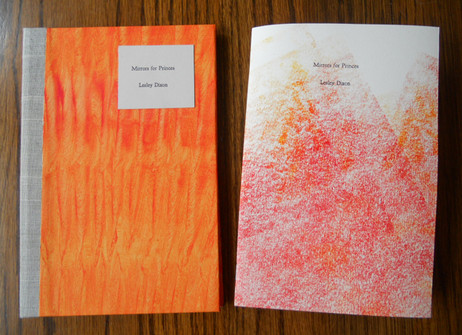
I got a chance to catch up through emails with Lesley Dixon, the author of this collection of bizarro micro-fictions on sale here. Dixon has recently relocated from Chicago to Austin, Texas.
You put this book out with Meekling Press. Can you explain what it's like to work with them?
It's a small operation of really talented people who are also tolerable, even charming. This is a rare thing, as talented people are usually the worst. Meekling books (and book-objects) are made entirely by hand, often with a letterpress; Rebecca does the design work and a lot of the heavy lifting, then everybody pitches in to assemble the parts. She's got a really amazing aesthetic, and everything Meekling publishes is completely unique in a way that both enriches the text and reflects the author. They're very cleverly constructed. So it was great to work with Meekling. They proposed a couple of designs, I loved it, we got some people together, we bought beer and pizza, and after a lot of diligent and tedious work with thread and glue and bone-folders, there was this awesome book with my name on it. The process was very straightforward, we didn't even have to bring lawyers into it.
Pizza and books? No lawyers? Sounds illegal to me.
It's a little known fact, but anything done without a lawyer present is actually illegal. Pizza, bookmaking, sex, everything.
I think I understand the economy much better, now, having learned this. What other projects are you involved in that we should know about?
Not much at the moment. I just moved across the country, and haven't really had time to glom onto any movements or projects yet. But my eyes are peeled for coattails to Marty McFly on. I know some talented people here and I'm excited about doing creative stuff with them. I'm also still in touch with Meekling, and I think someday it'll be a trans-national venture. I started working on a novel about a year ago because there wasn't enough futility in my life, and I'm just focused on finishing up the first draft right now. In other news, at the age of 27 with two degrees under my belt, I finally qualify for temp agencies, which I think is an important step in any writer's career.
I look forward to seeing how the spoils of bureaucracy influence your
work. Thanks, Lesley!
— John Wilmes
Tonight! The Dollhouse Reading Series featuring B.J. Best, Tara Boswell, Stephanie Anderson and Jacob Saenz.
Tonight! Bad Grammar Theatre.
Tonight! Shame That Tune's Tribute to the Dog Days at the Hideout.
Tonight! the kates all female stand-up at the Book Cellar.
Saturday! Queer literary showcase All the Writers I Know at Quimby's.
Saturday! Red Rover Series at Outer Space Studio.
Saturday! Raw Food Made Easy book signing and recipe demo.
Sunday! That's All She Wrote at Swim Cafe.
— Lara Levitan
Events Fri Aug 09 2013
 Never mind downtown. We all know that the heart and soul of Chicago lies within its neighborhoods.
In celebration of these enclaves to which we fiercely claim allegiance, 1,001 Chicago Afternoons and Anthology of Chicago (both fascinating 'hood-centric projects) present Chi Lit: Tales of the Neighborhoods on Tuesday, August 13 at Cole's Bar, 2338 N. Milwaukee Ave.
Hosted by Rachel Hyman of Anthology of Chicago and Paul Dailing of 1,001 Chicago Afternoons, the night features a lit-star-studded line-up, including: Bill Savage, writer and Chicago literary scholar, on Rogers Park; Dmitry Samarov, author of Hack: Stories from a Chicago Cab, on Beverly; Shannon Cason, storyteller with The Moth and NPR's Snap Judgment, on Bronzeville; Kimberly Dixon-Mays, poet and audience strategist, on Hyde Park; Paul Durica, founder of "Pocket Guide to Hell" tours and reenactments, on Pilsen; Robert Loerzel, author of Alchemy of Bones, on Lakeview; Sarah Gonzalez, co-founder of Brown and Proud Press, Xicana poet, and educator, on Pilsen; Molly Meacham, Chicago Public Schools teacher, on Roscoe Village; and Melanie LaForce, sporadic writer of internet essays, on Logan Square
The free event is a benefit for literacy programs at Open Books, so drink all you want--it's for the children.
— Lara Levitan
Events Thu Aug 08 2013
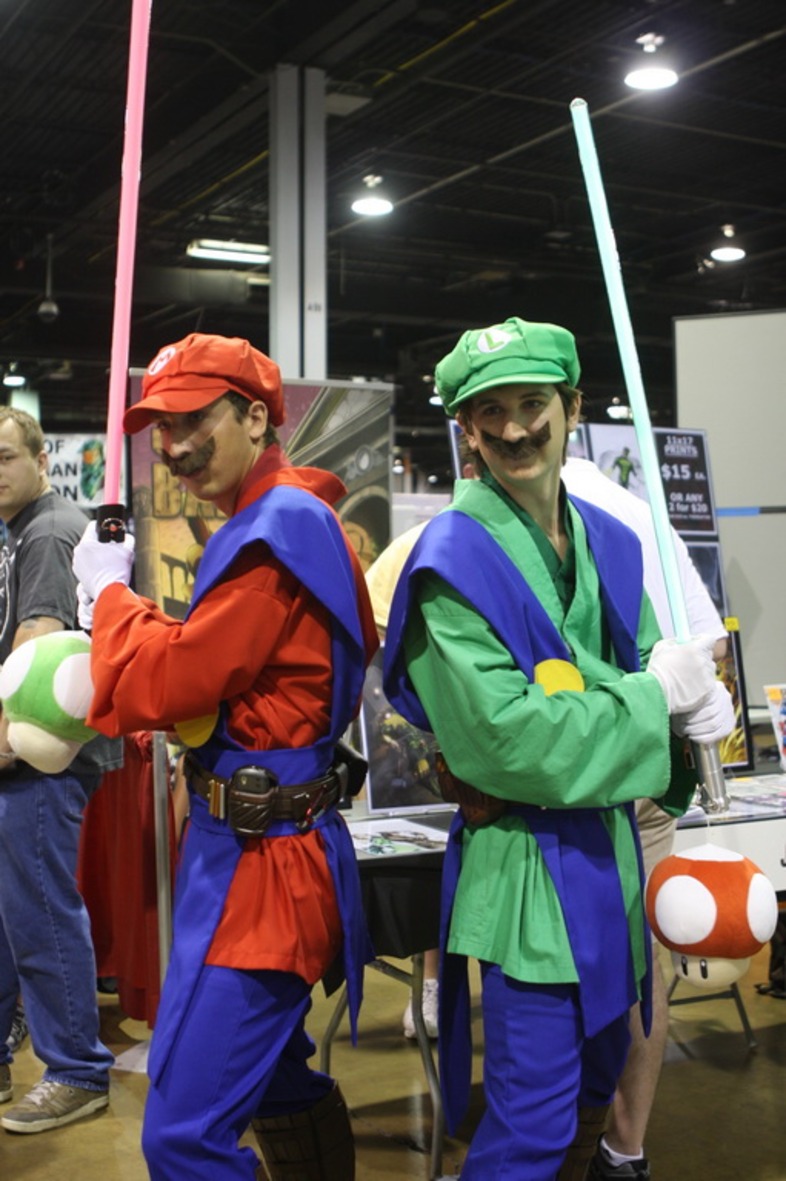 If you've had a hankering to geek out over your favorite comic books, get gussied up as Jedi Mario, and rub elbows with the likes of Stan Lee, Robert Rodriguez, and various WWE Superstars, well, brother, you're in luck. This weekend is the Wizard World Chicago Comic Con, and it is a four-day parade of delectable, nerdy madness.
However, if hiding in a basement with a typewriter and a tumbler of whiskey is more your speed, don't worry, the Con also features a number of writing and publishing workshops. Find out how to maintain your creative streak, learn the ins and outs of self-publishing, get tips on designing fictional fantasy worlds, and even discover the "pitfalls of writing." As if you didn't already know.
The complete schedule of events, lectures, workshops, and sci-fi speed dating interludes is available online for your perusal. Wizard World Chicago Comic Con runs from Thursday, August 8 through Sunday, August 11 at the Donald E. Stephens Convention Center, 9301 Bryn Mawr Ave., Rosemont, Ill. A ticket to all four days will set you back $90 online or $100 at the door, and one-day tickets range from $50-$70, depending on the day. Check out the Tickets page for more information.
Photo courtesy of UGO.com and credited to Bill Watters.
— Eden Robins
Books Thu Aug 08 2013
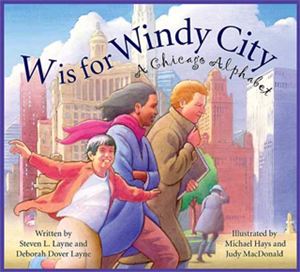 Look up a list of "Best Chicago Books" and you'll find the usual suspects trotted out over and over again: your Nelson Algrens, your Saul Bellows. If you're lucky, you'll get a Richard Wright or even a Sandra Cisneros. And don't get me wrong, these authors are on this list for good reason. But we all know there is much more to Chicago literature. There is great science fiction and fantasy, thrillers and mystery, young adult fiction... and writers who have written worthy books, yes, in the past two decades.
So when I say I'm compiling a comprehensive list of Chicago's best fiction, you can believe that I mean comprehensive. And when I say I want this list to come from the mouths of Chicagoans, I mean I want you to tell me what should be on this list. So help me out - what are your favorite novels or short story collections by Chicagoans? (Don't be too strict - authors don't need to be born, raised, and buried here. I draw the line at poetry and picture books, however.) Once I've compiled a good list based on your suggestions (and, admittedly, my own favorites), I'll read and review every one of them for Book Club. It'll be like the literary equivalent of one of Chicago's famous food challenges, hopefully with less barfing. Leave your suggestions in comments, on our Facebook page, or on Twitter @gapersblock @edenrobins #faveChicagobooks, and stay tuned for updates.
Image courtesy of the Chicago Parent website
— Eden Robins /
Events Wed Aug 07 2013
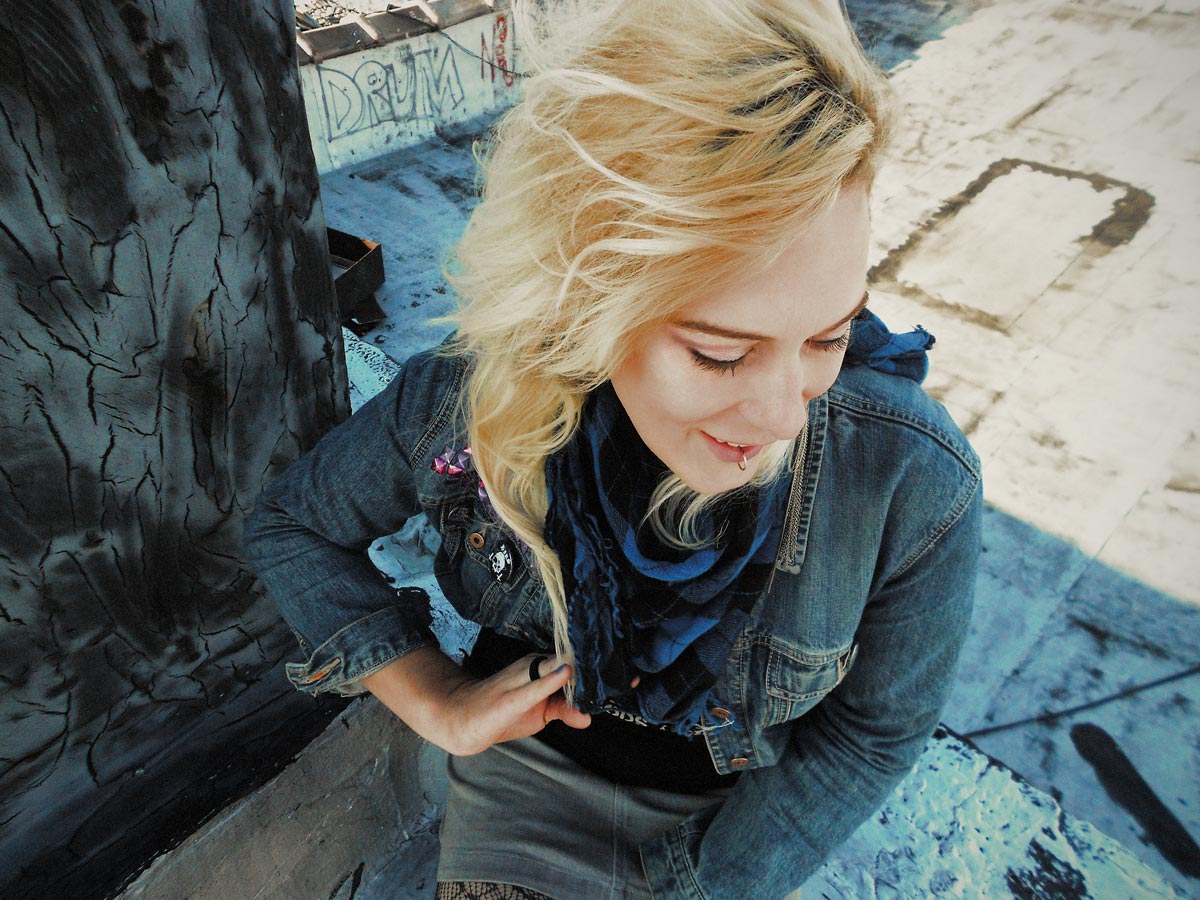 "There is a tendency for trans people to write autobiography, or semi autobiographical stuff, or basically tell their own life story, as though it weren't real, because trans people have no other stories they know of. There are no archetypes or narratives constructed for trans people," author Red Durkin told Lambda Literary in April. With an ambitious lineup of fiction that's centered on fresh, engaging storytelling as much as it is on transgender characters, Topside Press is changing that. A quintet of authors from its roster roll through Powell's Bookstore (1218 S. Halsted) for a free reading on Saturday, August 10, at 7pm.
Along with Durkin, the readers include nun-turned-genderqueer-comic Kelli Dunham, novelist Imogen Binnie (Nevada), Katherine Scott Nelson, and Riley Calais Harris. If their work for Topside is any indication, audiences can expect frequently funny stories on topics such as the world of competitive eating (Durkin) to worries about "getting kicked off the Internet" for breaches of message-board etiquette (Binnie).
Photo of Imogen Binnie © Julie Blair and Topside Press.
— Daphne Sidor
If art is highbrow, pornography--conventional wisdom would have it--is so lowbrow as to be practically simian, a distant and disreputable evolutionary relative. And yet there's much in its cultural condition for any artist to envy. Art is looked at, literature is read, but porn is consumed. It commands and engages the senses directly and deeply; its utility, at least, is never in question.
Curated by writer, artist and sometime sex worker Robin Hustle, Slippery Slope takes porn aesthetics and plasters them on the walls of Woman Made Gallery (685 N. Milwaukee). The show's been garnering rave reviews since it opened in mid-July, and on Thursday, August 8, at 6 pm, it expands its gloriously messy genre-mixing in an event that will include a reading from Megan Milks, chats with multimedia artists Sarah Weis and Noelle Mason, and a screening of stag-film title sequences drawn from the Chicago Film Archives' collection.
Milks plans to read from her collaborative project-in-progress Traumarama, inspired partly by the collections of fluid-centric girlhood embarrassments familiar to any reader of Seventeen magazine. (The project will soon debut on Tumblr, adding to a body of work that so far has included the Sweet Valley High riff Twins and the short book/long story Kill Marguerite, which will anchor Milks' forthcoming first collection of fiction.) Stop by what she calls "a cool mixed-media, mixed-mode feminist/queer event" and get seduced, grossed out, or moved to thought. Probably all three.
— Daphne Sidor
Books Mon Aug 05 2013
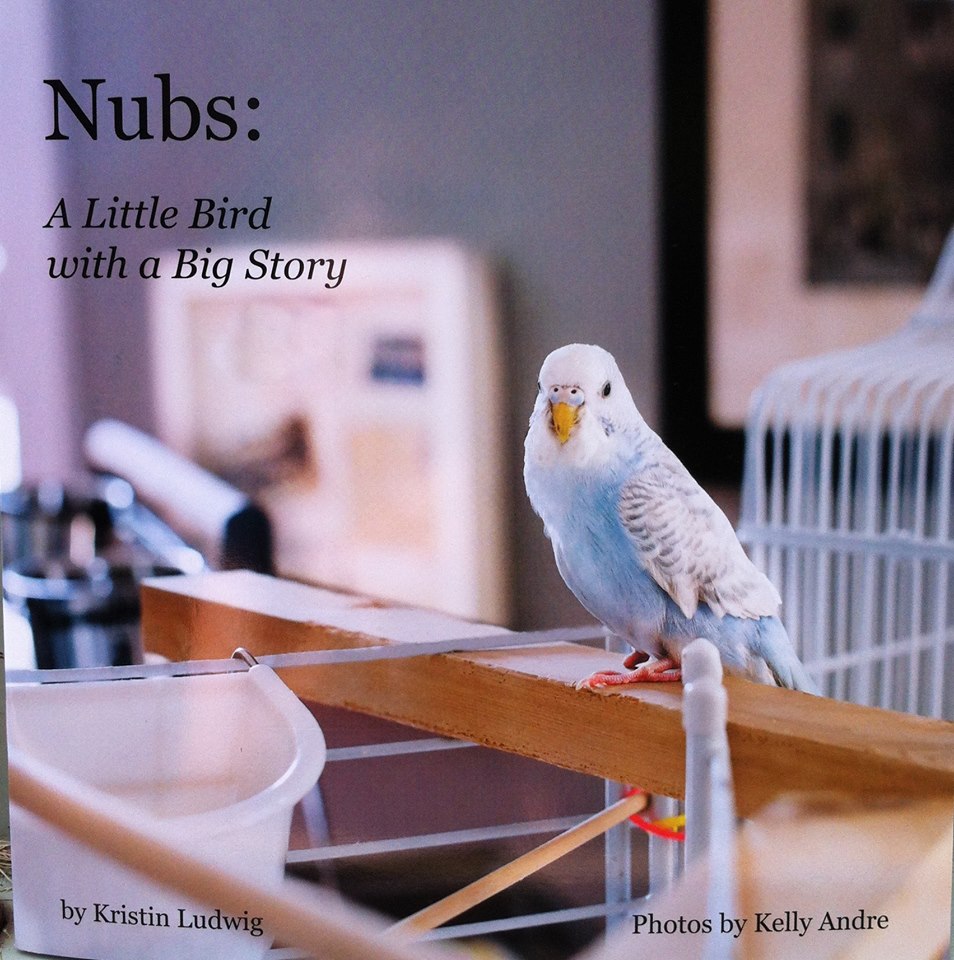 Last October, a one-legged parakeet named Nubs and 368 other birds were rescued from the clutches of a notorious bird hoarder in Aurora, Illinois, and nursed back to health by a team of diligent volunteers. In a true rags-to-riches story, Nubs himself immediately skyrocketed to Facebook and local FOX affiliate fame by becoming the star of a children's book called Nubs: A Little Bird with a Big Story and the focal point of a non-profit, also called NUBS (No Unwanted BirdS). The organization and the book, both created by rescuer Kristen Ludwig, aim to educate others about, presumably, proper bird ownership.
The book costs $12.95 plus shipping, and purchasing details can be found on the Nubs Facebook page. Proceeds from the sales of the Nubs book will go to the NUBS organization and to the Washington Park Zoo in Michigan City, Indiana, which generously adopted all of the rescued birds... except for lucky Nubs, who is now a certified therapy animal and is currently living the good life in a private home with his main squeeze, Freckles.
Photo courtesy of the Nubs Facebook Page
— Eden Robins
Tonight! Live Lit on the Lake at Theatre on the Lake.
Tonight! The Interview Show at The Hideout.
Tonight! Tara Ison reads from her latest book Rockaway at Women & Children First. (Fun fact: Ison is also the co-author of the 1991 Christina Applegate classic Don't Tell Mom the Babysitter's Dead.)
Tonight! Author David Burstein discusses his new book, Fast Future: How the Millennial Generation is Shaping Our World, at The Book Cellar.
Tonight and Saturday! Slam poets from Germany and Chicago theatrically interpret each other's work at the Raven Theatre's In Any Tongue.
Saturday! Joe Meno and The Caribbean record an episode of podcast "the Labor" at City Lit.
Saturday! Notes on the Art of Conversation at the Humboldt Park Library.
Saturday! The Paper Machete at The Green Mill features WTF's Marc Maron!
Saturday! Myopic Poetry Series at Myopic Books.
— Lara Levitan
Events Fri Aug 02 2013
Last month, reading series Two Cookie Minimum celebrated its third anniversary.Tuesday, August 6th brings another year of author, comics artist, and zinester readings to the Hungry Brain, 2319 W. Belmont at 9pm.
The show features an impressive lineup: Dave Reidy (Captive Audience), Jeffrey Brown (Darth Vader and Son, recent recipient of an Eisner Award), Patricia Ann McNair (Temple of Air), Paul Durica (Pocket Guide to Hell), and Jim Donaldson (Peehole zine).
The show is free, 21+.
— Lara Levitan
Events Thu Aug 01 2013
 The night's theme may have been "Cruel Summer: Stories of Learning the Hard Way," but 2nd Story's first-ever appearance at City Winery last Monday gave audience members the giddy feeling of a summer fling. Combining storytelling and live music against the backdrop of the gorgeous City Winery stage, the event was perhaps one of the most carefully crafted storytelling soirees of the season. Director and curator Jess Kadish turned a mundane Monday evening into one hell of a summer bash.
"Cruel Summer" started off with a bang as the first storyteller, Sarah Zematis, regaled us with the tale of losing her virginity at the local Renaissance Faire (pardon the pun). Any piece containing the phrase, "I had been carrying this burden, otherwise known as my hymen, for far too long," will be received with great cheer by an attentive crowd. The joyous ruckus continued as Zematis owned up to any fake British accent, ridiculous madrigal or Medieval pick-up line that her performance required. Mike Przygaod and The Przmatics, who provided original material between each set, added a rich layer to the story by accompanying the action with a precise soundtrack. In fact, these two elements were what stood out the most to a 2nd Story newbie like myself: the performer's commitment to the theatricality of their work and the use of music as a storytelling device.
Take the second storyteller, Khanisha Foster. Her heartbreaking (and often laugh-out-loud funny) account of trying to make it as an actor despite her ethnically ambiguous looks showcased her chameleon-like ability to imitate everyone from a shady theater director to Gilda Radner. Foster's performance was easily the most bittersweet of the night. Her vulnerability was palpable as she described the struggles of wanting to be seen as a talented thespian while being obscured by her "Latina" looks. (Foster's mother is white and her father is black.) Her versatility as an actor allowed her to easily transition from one character to another, making the piece even more poignant.
Bobby Biedrzycki was the last storyteller to take the stage. At that point, the evening had taken a melancholy turn and Biedrzycki delivered a performance to match the mood. His exploration of love as defined by moments, interspersed with reflections about his drug-addiction, was a satisfying though slightly subdued end to the evening.
2nd Story has been part of Chicago's Live Lit scene since 2002, making it one of the longest running storytelling events in the city. Ozzie Totten, company member and the night's MC, repeated 2nd Story's mission statement a few times during the show: "We share the first story so you can share the second story." It is, of course, impossible to gauge how many audience members will do that. However, as I saw the enraptured and oftentimes interactive audience, I have little doubt that the stories heard that evening demonstrated "the power to educate, connect, and inspire."
Photo by Ines Bellina
— Ines Bellina
Events Thu Aug 01 2013
 Much like the literal spring slush we all must endure to reach Chicago's few blissful summer months, so must the writer tromp through the gloomy "slush pile" if she ever wants to see her work published. The way out of the literary slush, however, is much muddier than even a Chicago April. Luckily, the Chicago Writers Conference is hosting a workshop called "Get Past the Slush Pile", in which editor, writer, and founder of Chicago's own Story Club, Dana Norris, will guide you through all its peculiarities, including what editors are really looking for, who's reading your stuff, and how to better read their minds. Spots are limited, so hie thee hence. The workshop will be held on Wednesday, August 5, at 6:30pm near Foster & Broadway (exact address will be disclosed to registered attendees via email). Cost is $45.
And once you've got all those new skills and insights under your belt, why not register for the Chicago Writers Conference eponymous conference (September 27-29), too? You'll get to rub shoulders with editors, agents, and writerly luminaries from near and far. Take a peek at the schedule and see if it don't whet your whistle.
Graphic courtesy of the Chicago Writers Conference website
— Eden Robins