Gapers Block published from April 22, 2003 to Jan. 1, 2016. The site will remain up in archive form. Please visit Third Coast Review, a new site by several GB alumni. ✶ Thank you for your readership and contributions. ✶
"There is no greater agony than bearing an untold story inside you" -- Maya Angelou
Exposing truth, sharing untold stories, and releasing traumatic adversity can serve as a mental and emotional cleansing. In The Cairn Project, by Corinne Peterson, participants from the Chicago area are invited to join in workshops where they handle clay and porcelain, and share their trauma in order to see their light. Individuals are instructed to create a "rock" from clay to represent their inner darkness or trauma, and then create a small token of light, which is made from porcelain. Once the workshop is finished, Peterson displays a mound from the clay "rocks" and installs the porcelain tokens as a cloud of hope above the cairn.
Currently at the Lillstreet Art Center, Peterson's exhibition, "Cairn & Cloud: A Collective Expression of Trauma and Hope", was created with participants from 60+ workshops and includes various clay sculptures which entice meditation and reflection.
I sat down with the artist on two of her meditation seats in the exhibition space and discussed the ideas behind The Cairn Project and the universality of trauma and hope.
Installation View, Zhou B Art Center, courtesy of the artist
Michelle Mitchenor (second from right) in Chi-Raq.
I sat down with the fresh-faced, charming and up-and-coming actor Michelle Mitchenor the night before her debut in the feature film Chi-Raq as Indigo, the leader of the Trojan women. Although I couldn't get a word out of her about what dress she would wear to the premiere or what her next film project might be, she had some great insights in to the controversy surrounding Chi-Raq and the intentions of the filmmaker Spike Lee. As we sipped rooibos tea with her multitasking and knowledgeable publicist Leigha, Michelle told me how she discovered the tea during a recent trip to Uganda where she went to be part of an outreach Breakdance Project Uganda to enrich children's lives with dance.
She explained how in Uganda education isn't free and many kids don't even go to school. She loved the experience and even missed the chance to go to the opening of NBA2K16, a video game with a capture motion film in which she played Cece. It was her first project with Spike Lee. But she explained, although she was sad to miss it, she realized life is about opportunities to experience and do good work and what she was gaining by experiencing life in Uganda was well worth it. The rest of my talk with Cece was just as full of talk about her desire to make a change in the world with her art, which is a versatile mix of acting, dancing and singing.
This is Goldberger's eighth book, but his first on an individual architect. I had a chance to review his book and interview him recently. Goldberger spent 4.5 years and many hours in conversation with Gehry and his clients and colleagues in writing the book, published last month by Alfred A. Knopf.
Opening at the Elephant Room Gallery Nov. 13 is a new exhibition by Jennifer Cronin, an Illinois native whose new project, Shuttered, features a series of realistic drawings from dilapidated houses in the far south side neighborhoods. Below is an interview that was conducted via email and further expands on Cronin's beginnings in drawing, interest in Chicago architecture, and gravitation to detail.
What was Once a Home (South Throop Street), 17" x 25.5", Carbon pencil on toned paper, 2015
North America's longest-running competitive film festival, the Chicago International Film Festival, begins tonight, Oct. 15 with the Chicago premiere of Mia Madre, the latest film from Italian director Nanni Moretti (Caro Diario, The Son's Room, We Have a Pope), which premiered at this year's Cannes Film Festival and stars John Turturro as an obnoxious American actor starring in an Italian drama. The screening marks the first time the CIFF has held an opening night event at The Auditorium Theatre; all other festival screenings will be held at AMC River East theaters.
After last year's more festive leanings, with CIFF celebrating its 50th anniversary with the help of returning favorites (film and directors), festival organizers were more interested in seeing this year's 51st proceedings as a way to reboot the franchise, as it were. With everything from a worldwide contest to design the 2015 poster to a shift in some programming features, Programming Director Mimi Plauché, founder and Artistic Director Michael Kutza, and their team set a mission to not only distinguish themselves from other festivals around the world but also from their own history. It remains a festival that focuses on new and established directors — the number of filmmakers coming in from around the world is impressive.
Artists like Jon Rafman or Paolo Cirio, who work primarily with Google Street View as a medium, have created images that are evocative and disturbing, often blurring the line of legal privacy issues. While capturing the individuals who fill the streets, alleys and lawns of the world is captivating, these artists have drawn on the public and an additional tool to conceptualize the public sphere. Since 2007, the launch of the panoramic technology featured on Google Maps and Google Earth has become an eccentric and often easy way to view places one may never go or places one desires to see.
New Orleans has Mardi Gras. New York has New Year's Eve. Now Chicago has the Great Chicago Fire Festival, an event that is unique to us and highlights Chicago's talent at reinvention in the face of adversity. This coming Saturday, the Great Chicago Fire Festival will kick off its second annual event, this time on the terra firma of Northerly Island, a hidden gem nestled in the museum campus right on the lake. The bold concept of the festival is from Redmoon Theater's executive artistic director and co-founder Jim Lasko. He has a way of getting large groups of people to collaborate and produce amazing spectacles--and his dream is to give Chicago an annual one. Last September the festival packed both sides of the Chicago River, but it was beleaguered by false starts and misfires. This year will be different though, because it's a whole new event, from location to activities and even to accessibility for onlookers. I interviewed Jim Lasko to get some insight in to the plan, Redmoon's philosophy and what we should expect.
Tickets are free to the Sept. 26, 5-to-9pm event at Northerly Island, 1520 S. Linn White Dr., but it is recommended that you reserve tickets early.
The walls inside the Tail Sticks Casting office (the official extras casting department for NBC's "Chicago P.D.") are plastered with headshots. As the NBC drama enters its third season, extras casting director Adrienne Lewis will analyze hundreds of these hopeful faces each day searching for the extra with the right look. On the rare occasion that she finds exactly what the directors are looking for, she must then ask some uncomfortable questions: "Are you comfortable being half-naked in a strip-club scene?" "Do you ride a BMX bike?" "Is your pinky broken at a 45-degree angle?" For this extras casting director, there is no such thing as a realistic expectation. (Season 3 of "Chicago P.D." premieres Wednesday, Sept. 30.)
Is it difficult to find extras for "Chicago P.D."?
It's not very difficult finding extras. The difficulty is finding the number of extras that we need sometimes. Like 40, 50, 60, 70 -- even 100 extras -- it's fairly doable. It's when we need like 500 extras and are searching for really specific things like, "we need an extra that looks like the guy from the Dos Equis commercial" and really really weird, specific things like that is when it gets really hard. We've had two shoots now where we've had to find two African-American kids that were not minors, that were 18, but looked younger, who also had BMX bikes. We didn't find those kids. We found a different version of what they wanted. Or having girls who are comfortable being half-clothed on national television for everyone to see in a room full of 100 men -- that can be a little bit difficult.
E. Faye Butler describes herself as an actor who sings, not a singer who acts. She's a theater and musical star in Chicago and nationally and has won many awards and honors for her work. She currently plays the cleaning lady, Cassandra, who knows the source of her name only too well, in the current Goodman Theatre production, Vanya and Sonia and Masha and Spike. I interviewed her about that role and her other stage and cabaret work. She let me in on a few secrets about her voice, her vocal practices -- and her dreams. (Also see our review of the play.)
First of all, where did you grow up? Are you a Chicago native?
Absolutely. Born and raised right here on the South Side. Born In Lake Meadows, lived and went to school in South Shore. All my neighbors were Jewish and there were very few African Americans then. We lived right across the street from the South Shore Country Club, now it's the South Shore Cultural Center. Cassius Clay was my neighbor; he lived right next door to me. That was before he was Muhammad Ali. It was hard for me to call him Mr. Ali. I always thought of him as Mr. Clay. Yes, that's where I grew up. I still live in Chicago and still live on the South Side.
Physical Festival Chicago will hold its second annual event at Links Hall July 7-12. The festival has hit the mark with Chicago's theater-hungry audiences, serving as a refreshing throw-back to the roots of drama and comedy. In addition to shows from various countries including Spain, Portugal, the United Kingdom and the US (Chicago's own Walkabout Theater Company), there are daily master classes being taught at Columbia College during the festival for the curious and would-be students of this rekindling art form.
"Tap dancing with the finest live music you will find mixed in with the danger, excitement, and sexiness of the circus."
When I asked Mark Yonally, the artistic director of Chicago Tap Theatre, what Circo Tap would be about, in a few words, that was as concise as he could be. Chicago Tap Theatre (CTT) stages this exclusive, one-night only performance at the Athenaeum Theatre at 8pm Saturday. Their combination of tap dancing, circus arts, live music and narration brings an inspiring spotlight to the theater community. It presents tap dancers, acrobats, whip artists, clowns, tightrope walkers, stilt walkers, musicians and, Yonally says, "everything you wouldn't expect to see."
Yonally's vision for this performance began through his exposure three years ago to Circurious, where he was invited to perform as a tap-dancer. Circurious is an American circus that highlights jugglers, singers, dancers and contortionists through their tour around the United States. Their website describes it as "a heart-stopping, mind-boggling display of artistry and athleticism." With such inspiration as a performer, Yonally proceeded to produce a combination of what he knows with what he became inspired by: tap dancing with circus.
Any day now, Mes Aynak, one of the world's most significant archeological sites, might be destroyed. Its historical and cultural riches, thought to be on par with the discoveries of Pompeii, will be forever lost. Its story--and the story of the men working tirelessly to save it--is the subject of Director Brent Huffman's Saving Mes Aynak.
Huffman, a faculty member in Northwestern's Medill School of Journalism and a documentary filmmaker, is working with Chicago's Kartemquin Films to produce Saving Mes Aynak.
The site sits within the Taliban-controlled Logar Province of Afghanistan, atop an enormous, untapped copper reserve with an estimated worth of $10 billion dollars. It's that copper reserve, and not the Taliban, that poses the chief threat to its continued existence. In 2007, MCC, a state-owned Chinese mining company, struck a deal with the cash-strapped Afghan government to harvest the site's reserves for $3 billion, with little oversight and no environmental regulation. Since 2011, a small team of Afghan archeologists have been excavating the area, unearthing finds of immense cultural significance, but a complete excavation could take 30 to 40 years, and mining is slated to begin in less than a year.
The project space, ACRE, is moving to a new, refined, larger-than-life, location at 1345 West 19th St., in Pilsen. The non-profit supports emerging artists and creates a space for ideas, collaboration, and experimentation. While the history of the new-- and simultaneously old--building dates back to a 1930s funeral home, ACRE will utilize the unique interior to create a foundation for future exhibitions, film screenings, lectures, and also will house books from the ACRE archive.
ACRE has received a generous donation but still needs $20,000 to create a suitable space in Chicago. Through Kickstarter, ACRE hopes to raise the remaining money to support their new exhibition and programming space for future residents.
Kruger Gallery Chicago in Lakeview will be presenting the works of Venezuelan artist, Jeffly Gabriela Molina, through June 27 in the solo exhibition, [My Business Is Circumference]. Molina's intimate paintings use domestic spaces to convey a conversation between the familiar and the surreal. Like Eva Hesse, who created grid-based abstractions on paper--a reaction to the male-dominated structures in minimalism in the 1960s--Molina's pieces convey a conversation of seriality and the woman's narrative.
The paintings of Jaime Foster, a Chicago-based artist, are reminiscent of the waves in Lake Michigan: When the fog has drifted and the overcast sky hangs low above the horizon, the water greets the shore with a kiss-and-go. Many of her pieces are vast--both in scale and in palette. Her work acknowledges the larger landscape--the water, the mountain, and the trees--but the core of her work is in the details--the foam of the water, the snow-covered crevasse, and the vascular tissue of a leaf.
"Philias," stemming from the title of Foster's upcoming solo exhibition, Biophilia, are the attractions and positivity that human beings feel towards the natural world: organisms, species, habitats, etc. Celebrating the "love of life," Foster utilizes her brush and paint to spiritually connect with the wider world around her and expose its awe-inspiring beauty.
Elephant Room Gallery will be featuring Jaime Foster's exhibition, Biophilia, from May 29 until July 3.
"Enrapture"- 12x12 Acrylic, Watercolor, Ink and Mixed Media on paper
Mallory Sohmer is a freelance documentary filmmaker from Chicago and a Columbia College alumna. She co-directed the new film, Drum Beat Journey, the story of four inner-city youth who travel to Petit Mbao, Senegal, to participate in a drumming workshop. The program used music as a vehicle to capture and connect with the young men in an engaging and original way. But this is not just a film about drumming; it's about stepping into another culture to learn about oneself.
Sohmer's first film, The Living Documents (2009), a call for social justice, told the story of Nicaraguan indigenous rights attorney Maria Luisa Acosta and the circumstances around the murder of her husband Frank Garcia. It aired on the Documentary Channel (now Pivot) and resulted in a hearing with the Inter-American Commission on Human Rights in 2013.
Ana Sekler: Drum Beat Journey, what phase are you in with this project?
Mallory Sohmer: We're currently in post-production and have been working on the film for a long time, since 2011. I'm co-directing it with my friend Kate Benzschawel.
Kruger Gallery Chicago is presenting ESCOMBROS (spanish for "rubble"), which features work from the Chicago-based and Mexican-born artist, Luis Sahagun. The exhibit opens with a reception from 6 to 9pm tonight.
Sahagun's background is rooted in the working class — his grandfather worked in the Chicago Heights steel industry, his father in field work, and Sahagun himself has a strong background in construction. The solo exhibition features large-scale paintings on cardboard, as well as installation and video pieces, which emulate his background as a Mexican-American growing up Chicago Heights.
The series includes 20 textured pieces that thrive as self-portraits and self-reflection in terms of youth, labor and experience. Chains, metal, fabric, concrete, cardboard and wax make up the "anthropological site that represents a community" and expands on the concept of identity vs. material. Luis' intimate relationship to his work, not only through his physical touch, but through his autobiographical self, creates a penetrating visual narrative of a community.
"Pushing the paint around -- it's always in an attempt to get at something: something true, powerful, good. Paint is pure, innocent...it holds the potential to become an image that captures a facet of the elusiveness that is one's experience of being alive. In this way, the practice of art-making honors both the love and the suffering by keeping a record while always remaining vulnerable," states Rebecca George, founder of The Art House, a studio workshop and gallery based in Chicago.
The Art House, located at 3453 N. Albany, offers artist residencies, innovative coursework, advanced support for artist's professional practice, and above all, an environment to flourish as a creative individual. The studio/gallery offers instructional courses for the development of personal momentum and a meaningful connection to one's work while expanding and strengthening the technical language of material and method.
Creating a pas de deux is challenging enough, but putting one together for Wendy Whelan after she retired from her 30-year career with the New York City Ballet is mind-numbing. Alejandro Cerrudo, resident choreographer of Hubbard Street Dance Company, is one of four choreographers she asked to create and perform with her in "Restless Creature," one of the first projects in her new dance career. The Chicago debut of "Restless Creature" will be Wednesday at the Harris Theater.
How someone discusses working with a major figure in their field shows how much they grasp the significance of the occasion. If Baryshnikov is Zeus, Whelan is Athena. It's a big deal that this archetype of a contemporary ballerina chose the Spanish Cerrudo to help her craft this project. And he's aware of that fact.
Canadian filmmaker Guy Maddin sat on the stage of the MCA theater Wednesday night in a black sweater, black trousers and sneakers. He looked like a perfectly normal person--and then he said his major influences as a filmmaker are David Lynch and Luis Bunuel. The Lynch-Bunuel connection made total sense of his series of mad, dream-or-nightmare films. Are they noir? Adaptations of silent films? Grainy black and white? Surrealistic? Yes, all those things and more. Are they Hollywood films? "As far from Hollywood as possible," according to Maddin.
"Guy Maddin: His Winnipeg" was part of the Chicago Humanities Festival. The event was held at the Edlis Neeson Theater at the Museum of Contemporary Art, moderated by Charles Coleman, film program director at Facets Multimedia. The two came on stage and sat in chairs facing each other. Before any opening by Coleman, Maddin began talking about films and talked nonstop, while Coleman occasionally guided him with a question. Throughout the conversation, a Maddin film looped on the screen behind them.
North America's longest-running competitive film festival, the Chicago International Film Festival, begins Thursday, Oct. 9 with the Chicago premiere of Miss Julie, the latest film from actor-turned-director Liv Ullman (and based on the play by August Strindberg), who has had all of her last three features as a director screen at CIFF and will be in attendance at the opening night at the Chicago Theater (all other festival screenings will be held at AMC River East theaters). Her appearance in the Chicago is only fitting since CIFF will be celebrating its 50th anniversary this year, and has a great number of special events, screenings and appearances to mark the occasion, which means even more work and coordinating for Programming Director Mimi Plauché, founder and artistic director Michael Kutza, and their team.
More than 20 films have been selected as part of a retrospective of highlights from CIFF's 50-year existence, including 1971 Silver Hugo winner Family Life, to be presented by the director, acclaimed Polish filmmaker Krzysztof Zanussi; Lars von Trier's Academy Award-nominated Breaking the Waves; Roger and Me (with director Michael Moore in attendance); and three films which received their world premiere at past festivals: One Flew Over the Cuckoo's Nest (1975), The Idolmaker (1980) and White Nights (1985) — the latter two directed by Taylor Hackford, who will appear at both screenings. Several longtime festival friends will present special editions of their favorite films, including director, writer and producer Oliver Stone, showing the Director's Cut of Natural Born Killers and the recently released to Blu-ray Ultimate Cut of Alexander. Other retrospect films will include 101 Reykjavik, Fanny and Alexander, Here's Your Life, a restored print of Alfred Hitchcock's Jamaica Inn, George Cukor's version of A Star Is Born, and a restored version of the silent film classic Why Be Good?, featuring the final on-screen performance of CIFF cofounder Colleen Moore.
I'll have a full-fledged CIFF preview piece this Friday in my Steve at the Movies column, but a couple of interesting programming notes I wanted to highlight include a spotlight on Scandinavian films, that includes 20 feature works and a program of eight shorts from Denmark, Finland, Iceland, Norway and Sweden. The festival is also honoring the great French actress Isabelle Huppert by screening four of her recent great films at the Music Box Theatre, three of which will be shown as 35mm prints.
I had a chance recently to sit down with Plauché, who has been working for CIFF since 2006, to talk about the highlights and special events of this year's event. As always, Plauché is a great guide though the nearly 200 films from more than 50 countries. Take notes, and don't be afraid to see something to haven't heard of — that's the point of a film festival, isn't it? Enjoy.
Pitchfork Music Festival is known for its eccentric, acclaimed and even avant-garde performances of high musical caliber, and for the attendees that create a show of their own with diverse fashion statements and individualistic notions. Another component to this weekend's three-day phantasmagoria was that of exquisite art, in the form of an installation known as the Geometric Village, curated by Johalla Projects and dreamed up by visionary artists Chad Kouri and Heather Gabel.
Photo by Zachary James Johnston
As I stepped up to the Geometric Village on Saturday afternoon, I noticed sunlight streaming through the trees ahead of me, and falling upon the two upright pyramids in a simply lovely way. Each one allowed ample space for you to walk under it and absorb the messages seeded inside its carefully formed tunnel, one with skillfully designed words, and one with a collage of photographs, one of a skull, the other of a statue, and more. Both portions of the installation were vastly different, but in many ways, linked in commonalities. I noticed concertgoers interacting with the art pieces: some shuffling by quickly, others looking up at the peak and smiling, and a group sitting underneath, resting in a peaceful place. I oriented myself with the artwork, and then was lucky enough to have a chance to speak with curator Anna Cerniglia, and artists Chad and Heather, about the wistful yet introspective work they have been able to create at Pitchfork Music Festival this past weekend.
Oli Rodriguez is an interdisciplinary artist working in film, photography, and performance. His art often queers notions of family, desire, and collaboration. I recently attended two of his exhibits, Love to Love You at Roots and Culture with Sara Condo and I want something more than my husband and my house with Jovencio de la Paz at Chicago Artists Coalition. His latest exhibition, The Human Space with Andy Karol, opened at Beauty & Brawn Art Gallery and Think Space this weekend. I sat down with him to find out more about his relationship to Chicago, the city's queer history, and how it impacts his artmaking.
Oli Rodriguez
You were born and raised in Chicago, right? In Humboldt Park specifically?
We moved around a lot but it was Humboldt Park first and then I moved to West Town, which didn't exist as West Town then. It was around the Grand section. I'm considering Grand Avenue as this invisible barrier where literally, it was like a racial line. So if you follow Grand, all the way west from Western to Harlem, there's this division that exists. It's a line of division with black folks south of Grand.
Seth Bockley is a Chicago-based playwright, playwright-in-residence at the Goodman Theatre and author of Ask Aunt Susan, which opened at the Goodman's Owen Theatre this week. He has been involved with the Goodman for several years as part of their playwrights unit, where Ask Aunt Susan was developed after Bockley saw the stage possibilities of the Nathanael West novella, Miss Lonelyhearts. We interviewed him two days after the new play opened. (See the Gapers Block review of the play.)
Ask Aunt Susan is a satire on our use of technology and the internet. Did you intend it to make us think about our obsessive internet use and perhaps pull back a bit?
The play has that implication. There's a reason to be suspicious about these internet connections. They can become substitutes for real human connections. The play shows the darker and dangerous side of that addiction, the dark underbelly of the internet.
The play shows two different generations and their use of technology. Aunt Susan, a young man, and his girlfriend Betty. And Steve and Lydia are two capitalists, who have found a way to make money from the internet. How do you view those generational differences?
The generational difference is not clear-cut. Ask Aunt Susan isn't just about a young person, a symbol of the generation. The real technology guru is Lydia, the femme fatale businesswoman. The real luddite is Betty, who is very anti-technology.
Jack Newell and Dinesh Sabu are independent filmmakers currently working on a feature-length documentary entitled How To Build A School In Haiti. Jack is a bearded white guy from Chicago who gained critical success in 2010 with his short film Typing. Dinesh is a lanky Indian guy, originally from Albuquerque, who has collaborated on several projects with Kartemquin Films. Consequently, I was curious as to why they chose to make an incredibly ambitious documentary in Haiti.
The origin of their documentary odyssey began after the destruction and turmoil following the Haiti earthquake in 2010 when a man named Tim Myers, a 67-year-old retired construction worker from Colorado, decided he would help build a school for the villagers of Villard, Haiti. Subsequently, Jack and Dinesh have been focusing their cameras on this community — recording the trials, tribulations, and issues associated with international development and aid as it relates to Haiti.
Theater is a choice platform that artists often use to open a dialogue about issues that people tend to otherwise brush under the rug. Buzzer by Tracey Scott Wilson is a play that aims to open audience's minds to the complex issues underlying urban gentrification. While the play takes place in Brooklyn, the issue of neighborhood gentrification is no stranger to Chicagoans.
In the production, Jackson, now a successful graduate of Harvard Law returns to the neighborhood in which he grew up. He brings along his white girlfriend and best friend (who has a set of troubles all his own) and soon, the three face exploding tensions in the surrounding neighborhood and amongst themselves.
Eric Lynch, who plays the smart, successful and charismatic Jackson in Buzzer gave Gapers Block a preview of how the issues of sex, race, love, fear and money are tackled in this dark comedy.
There are some performers that you just know you want to spend time with, from the very first moment you meet them. Plucky Rosenthal, the "Jewish Star of Stage and Stage," is one of those performers. Endlessly bubbly, charismatic and a darling throwback to vintage vaudeville, Plucky plays the banjo and ukulele, sings, cracks corny jokes and generally lights up a room. I had the opportunity to sit down with her about her upcoming show, Plucky and Friends, which opens tomorrow at Gorilla Tango.
Talk to me about the show -- what is it?
Plucky and Friends is an all-new original variety show. I host it as my vaudeville alter ego Plucky Rosenthal, backed by a killer band, and my friends come in an out of the show as hilarious characters that they've come up with to share their talents... whether Plucky wants them to or not. It's at Gorilla Tango Theatre in Bucktown, so you can hit up Margie's Candies or Belly Shack after the show!
The 49th annual Chicago International Film Festival begins today, Oct. 10 with the Chicago premiere of the latest film from director James Gray, The Immigrant, starring Marion Cotillard (in her first English-language leading role), Jeremy Renner and Joaquin Phoenix. And from all accounts, the film will be a welcome departure for the festival as far as opening night offerings go, since it's apparently quite good (which makes it all the stranger that the film wasn't screened for critics beforehand, but that's another conversation). The festival will close with the latest work from the Coen Brothers, the folk music tale Inside Llewyn Davis, with star Oscar Isaac in attendance.
In fact, this year's CIFF lineup is remarkably strong. I'll have a full preview piece this Friday in my Steve at the Movies column, but among the highlights are conversations with film legends Bruce Dern (which I'll be moderating) after a screening of Nebraska, the latest from director Alexander Payne; Italian horror master Dario Argento with his Dracula 3D; filmmaker George Tillman Jr. with his film The Inevitable Defeat of Mister and Pete; Geoffrey Rush in The Book Thief; the great stuntwoman-turned-actor Zoe Bell with the girlfight horror film Raze; filmmaker Ti West and his acclaimed new work The Sacrament; and Chicago native and renowned cinematographer Haskell Wexler, after a screening of his classic Chicago-shot and digitally restored Medium Cool.
This weekend, legendary comic Dave Attell performs alongside Chicago native Danny Kallas at Mayne Stage in Rogers Park. I was able to chat with the stand-up legend and hilarious 'Insomniac' Attell; the comedian got nasty as we discussed retro porn, his favorite dirty comics and tips to navigate the entertainment business.
Andrea "Drea" Kelly is vivacious, witty, and loaded with artistic talent; as owner of the Andrea Kelly Dance Theater, the Chicago native has emerged, in her own way, from the shadows of her famous ex-husband, R&B superstar, R. Kelly. And now, as part of the ensemble cast of VH1's hit show, "Hollywood Exes," the scene-stealing Kelly has definitely made her mark in the world of reality television.
Having been involved with the entertainment industry for years as principal choreographer and dancer for R. Kelly's award show appearances, music videos, etc., not only has Kelly long been aware of public personas and images, she certainly recognizes the stigma attached to reality TV stars. "If you act a fool, honey, they're gonna edit a fool," she said. Recently, I spoke with Kelly about her love of dance, what fans can expect from the show's second season, and what makes "Hollywood Exes" stand out from its reality television counterparts.
Coming to the city next week (June 11-16) is the TBS Just For Laughs Comedy Festival. The 5th anniversary brings some of the funniest legends and new upcomers alike across nine venues for five days.
I conversed with the versatile veteran David Cross, performing at the Chicago Theatre June 13, on the return of Arrested Development and how he keeps his own comedic process fresh, whether he's in a movie, a cartoon, on television or doing stand-up.
Coming to the city next week, June 11th-16th, is the TBS Just For Laughs Comedy Festival. The 5th anniversary brings some of the funniest legends and new up-and-comers to Chicago, across nine venues for five days.
I had the honor to talk with legendary comedian Bob Newhart. Performing at the Chicago Theatre June 15th, Newhart has been performing comedy for some 50 years. As a Chicago native, TV sitcom star, and one of the first comics to actually define 'stand-up comedian' as an actual occupation; we discuss the plague of the Cubs, the continuity of comedy, and how he still keeps laughter alive.
If you love burlesque, comedy, and BYOB venues, Wiggle Room at The Everleigh Social Club is where you will want to spend your Friday night. Wiggle Room brings huge talent to audiences in an intimate setting-- a stage surrounded by plush velvet sofas, beds and chairs.
Produced by Michelle L'amour and Franky Vivid, Wiggle Room features the World Famous Chicago Starlets (winner "Best Burlesque Group in the World 2010" at the Burlesque Hall of Fame) and some of Chicago's best stand-up comics, including host Adam Burke. On May 17 at 10pm, the show will be concluding their current run, with plans to come back in the fall.
I talked to Michelle L'amour about her one of a kind show, and why you won't want to wait until the fall to see it.
Tommy Wiseau is returning to Chicago to promote the Blu-ray release of his 2003 cult favorite The Room at the Music Box Theatre on Friday, March 22, through Sunday, March 24. All three shows are at 10:30pm, and tickets are $15 in advance or $17 the day of the show. Wiseau, along with actor Greg Sestero, who plays Mark, will introduce the movie and take questions after the film.
For the uninitiated, The Room is a 2003 movie written and directed by Wiseau. The Internet Movie Database classifies it as a drama, but most people who've seen it would definitely call it a comedy. It's ostensibly the story of San Francisco couple Johnny and Lisa, whose relationship is beset by betrayal and infidelity. Add in their conniving friends and a creepy neighbor named Denny, and the movie quickly becomes a surreal comedy with understated irony, overacted emotion and abandoned subplots.
To step into The Room is to step into a parallel universe — a universe with sex scenes that defy the normal pattern of genital alignment, a universe where men routinely pass football underhanded mere feet away from each other while conversing, a universe where teenage neighbors walk uninvited into bedrooms to have pillow fights with older couples. Netflix describes the movie as "uninhibited by cinematic convention." Well put. If you haven't seen The Room, you need to.
Last fall I visited SAIC's graduate painting studios on the 16th floor of 111 S Michigan Ave. to get a better look at Emre Kocagil's paintings. His juicy, energetic abstract oil paintings in Miami Vice colors, accompanying sculptural arrangements and unwieldy sketches fill out his studio nicely. They bring a lightness and an air of joviality to the small studio space, sitting at the end of a long hallway full of canvas-covered doorways, emitting the thick smell of oil paint. Inside, Kocagil excitedly pulled new work out of nooks and crannies, giggling to himself as he explained his trains of thought, spouting out ideas about color choices, painting traditions, modes of painting practice, simplicity and complexity, being a hermit, listening to music, talking to people and not talking to people, and mostly how crazy he feels after sitting alone in the studio for days.
Todd Barry is a comedian who comedy nerds know and the casual fan might recognize from his acting on "Louie" or as the prickly grocery store manager in "The Wrestler." He's recorded four albums, and the title of the first one — Medium Energy — sums up his stage presence. His comedy has been described as dry, deadpan, concise, at best put out, subdued. Barry's always done some crowd work, including on his last special, "Super Crazy." Now he's on a short tour doing crowd work exclusively — no material, just back and forth with the audience. That's a bold move for a comedian who usually tells tight jokes on mundane topics without a word out of place. If any town can appreciate a comedian improvising an entire show with the audience, it's Chicago. Barry will be performing at Schubas on Wednesday, Jan. 23, and Thursday, Jan. 24. Both shows are at 9pm. Tickets are $14.
I emailed the New York-based comedian a few questions and he kindly replied.
You've done a bit of crowd work before, and there's some on your last special, "Super Crazy." Why did you decide to do whole tour of crowd work and why now?
I don't know. I guess I was worried about having a special out, then going on the road and still doing some of those jokes. I've always done crowd work in my shows. It seemed like an interesting idea to do a whole tour of it. I'm scared and excited about the whole thing.
People are strange. They can be such idiots, and so violent. American culture is so ass-backward, yet so sickeningly appealing. Paul Perkins knows this all, and thinks about it, maybe a little too hard, as he cuts up tiny pieces of cellophane and construction paper in his carnivalesque basement studio on the South Side.
As part of an ongoing "Studio Visit" series for Gapers Block, I visited him in his studio back in July and asked him a few questions about his work. Perkins has a solo exhibition up at Peanut Gallery (1000 N. California Ave.) through this Saturday, January 12.
Chicago-native Jason Hodge started getting interested in improv when he was in high school. His father was a police officer whose foot-route was on Clark Street and was able to get him tickets to shows at the then-called Improv Olympic (iO, now). He started doing improv at 19 and has taken classes at iO and the Annoyance. For five years he was part of a member team at the Playground and for two years has been playing with pH -- who opened their new space in Andersonville this month. For the past year, Hodge has participated as a coach in pH's College pHarm Team program -- a free initiative that matches collegiate improvisers with pH company members and gives the teams an opportunity to play.
What made you want to coach a college improv team?
When I first started with pH I hadn't seen many of their shows, so they told me to go see shows and get familiar. The first show I saw was College Night and that show would have a couple college groups and then the coaches would perform. I had a ball, and I wasn't much older than most of the college teams... What I liked the most about it was that when I started improv I was their age, but I tried to get into it with all the twenty-somethings and the thirty-somethings, and I was very much an outsider -- it kind of caused issues -- I think -- with my development and that outlet is incredibly important, and I liked that pH has that. I basically went every night and didn't stop going.
I recently got the opportunity to catch up with Tony Karman about his new endeavor EXPO Chicago. Tony remarks on many of the contributing parties that really made EXPO become what it will be.
Seven years ago Wes Perry moved to Chicago so he could attend Columbia College and become a professional actor. He started taking classes at iO during his sophomore year of college and was performing at the theater by his junior year. He quickly fell into the improv and comedy scene and decided that's where he wanted to be.
Perry was on an iO Harold team for about a year-and-a-half. Through Columbia, he was also able to do the Second City Comedy Studies program. For the past three years his quote-unquote comedy home has been The Annoyance Theatre, where he's performed in such shows as Glitter in the Gutter (which ran for 14 weeks!) , Flames and Blazes, a puppet show called Frienz Finds It, and most recently his one-person-show, Don't Act Like a Girl.
After his performance in a variety show on Monday, Perry and I found a nice, quiet alley, sat on the curb, and he dished about being a queer-comedian, doing comedy he likes, and what his mom thinks about it.
Alex Nall is a recent college graduate, an emerging local comic artist and a self-described dork. Nall is impressively prolific -- every day, after coming home from his full-time day job at Lakeview Sport and Fitness, he spends the rest of his night in his studio at his apartment in Logan Square working on his colorful and succinct autobiographical comics. I sat down there with him a couple weeks ago to learn more about what makes him tick and why he chose to take root in Chicago.
How did you get into drawing?
I've been drawing all my life. I guess I got into cartooning and telling stories with pictures in first grade when I made my first book called Alex the Snake's Birthday Party. It was about Alex the Snake, who was green. He wore a red shirt, blue pants, and he had arms and legs. So he wasnt really a snake at all, and basically the entire plot was copied from a Mercer Mayer critter book. So yeah, basically it just came from a love of looking at pictures while reading in school and thinking, 'Ooh I could do this, I like doing it', and as the years went on, most of my school notebook's margins were covered in doodles -- those were the things I ended up studying more than more notes for school. I didn't pursue drawing or art in college. I went to Monmouth College -- a small liberal arts college. I did English and theater mostly and I kept drawing on the side. It wasn't until last year when I went back for my senior year that I started submitting a weekly comic strip to my school newspaper and sending out editorial cartoons to the town paper.
Rowland got started in comedy about six years ago after he saw a show at the Chicago Improv Festival called "MADtv's Writers on Hiatus." He liked the show so much that he looked into taking writing classes at Second City. From those classes -- and improv classes at both Second City and iO -- Rowland's comedy career has snowballed into him performing all over Chicago at places such as iO, Second City, the Playground and Chemically Imbalanced Comedy.
The first thing that I remember hearing about Rowland was that his impersonation of Barrack Obama was going to make him famous. Last May at Chemically Imbalanced Comedy I saw his show Barack All Night -- where he plays the POTUS in a late-night talk show format with special guests and "house band" -- and his performance more than lived up to the hype.
Coming off his recent trip to New York where he did a one-night show of Barack All Night at People's Improv Theater (The PIT), Rowland sat down with me and talked about flying hamburgers, performing in front of Lorne Michaels, and why performers should try to write their own material.
Hannibal Buress came to visit his hometown of Chicago during Pitchfork Music Festival weekend. A venerable writer for some critically acclaimed television series, namely 30 ROCK and SNL, Hannibal has earned his place in the entertainment business. The majority would not recognize him unless they have seen him play the apathetic co-host on Adult Swim's "The Eric Andre Show." His stand-up special "Animal Furnace" aired in May on Comedy Central, and since its premiere he has been on a national comedy tour.
Cole's Bar in Logan Square hosts a stand up open mic every Wednesday where one wouldn't expect to see an actual comedian dare set foot inside, but leave it to Buress to not only go onstage to do his bit, but stay until close to chat with fans, finally leaving with a crew to visit the infamous 4am bar, The Owl, just down the street.
The next day, as sirens blared in the background, Hannibal sat on his friend's couch, ordering steak tacos to-go. I asked him about his eating habits.
One of the most exciting (and much needed) grassroots film projects in recent memory is the Chicago 8 film festival, which is devoted to exclusively showing Super 8 and other small gauge format films. After a successful fundraising campaign, the fest is gearing up for its second run in October and currently accepting submissions. I sat down with co-programmer JB Mabe for a chat about the festival's origins, the ongoing analog VS digital feud, and STEP UP 3-D.
In one of my favorite Black Star tracks, "Thieves In The Night", rapper Mos Def challenges listeners to "separate the real from the lie." Maneuvering comfortably in the classic techniques and processes of analog photography, New York-based artist Mike Schreiber works to achieve exactly that by creating images which resonate globally with music lovers and photography aficionados alike. Whether it is of musicians who regularly occupy the headphones and speakers of millions of music fans, or the people on the streets of Cuba and Jamaica, Mike's portraits place emphasis on the humanity of his subjects. His photographs remind us that these people are just that-people. He does not attempt to make them into caricatures of themselves or play into a larger-than-life persona. Mike pushes in the antithetical direction with the goal of making a photograph that brings out, as he puts it, a version of themselves that "their mother would recognize."
Fittingly titled True Hip Hop, Mike's recent book reflects the results, experiences and anecdotes of a career that has brought him and his camera in front of everyone from B.B. King to Voletta Wallace, the mother of the late Notorious B.I.G. In light of his upcoming debut exhibition in Chicago and book signing at The Silver Room, I spoke with Mike about his signature style, starstruck moments and what it means to be a photographer's photographer.
An interview with Terry A. Scrogum of the Illinois Art Council reveals that, although less funding is available, selection processes remain rigorous. This forces arts organizations to do more for less.
This week marks the 15th annual Chicago Improv Festival, bringing improv troupes from across the country and around the world to the city that's known far and wide for it's improv tradition. Among the many troupes visiting our fair city this week is North Coast, a troupe from NY that will be making their CIF debut. I spoke to troupe member James Robilotta, and he told me what the troupe is looking forward to this week.
"We're super excited for our first time at Chicago Improv Festival", he said. "We've done a number of other festivals but Chicago is where it all started -- it's the mecca of improv, when improvisers pray we all face towards Chicago. It will be great to do what we love doing in the city where it all started."
Judah Friedlander, arguably most popular for his role as Frank on 30 Rock is visiting Chicago this week for his one-night only show at Mayne Stage, 1328 W. Morse Ave.
People know you as Frank, but a lot of people don't know that you have this stand-up career that is sort of your home base.
So far you are correct on everything.
How often do you perform standup?
Just about every night. Usually when I'm in New York a couple shows a night.
Mortified, famous for allowing adults to expunge their inner-child shame since 2002, is bringing the show to Chicago for the filming of their new documentary, Mortified Nation. Shay DeGrandis produces Mortified in Chicago.
My favorite thing about Chicago is the way that we take things into our own hands. When we see a gap, instead of waiting for it to be filled -- instead of writing letters or signing petitions -- we just fill it ourselves. Chicago is full of hard workers and go-getters. And this is the case with Final Fight Family, a multidisciplinary arts & entertainment company focusing on uniting artists in a collective community of forward thinking individuals. Formed by an ambitious but small group of youngins in 2007, FFF provides artists with opportunities to expand their careers via collaboration and collective projects.Then, they showcase the artist's work by organizing events, highlight their daily developments in the media, and seek new ventures for them, to "establish a movement of creators who use their unique visions and perspectives to shape the world around them."
One of the original family members, Jarvis Smith, recently reached out to me to let me know about the FFF documentary, YOUNG, which will be released on April 7. I was immediately intrigued, so I emailed him a few questions about the "family."
WRITE CLUB Overlord Ian Belknap. Photo credit: Nathan Keay
It's a damp night at the Hideout; the sold out audience sits on metal chairs, and latecomers stand wherever there's room. The walls are covered in wood paneling and the occasional trophy fish, and a faint smell of wet dog permeates the room. Onstage, Ian Belknap introduces the audience to WRITE CLUB: Chapter 22: Race War. "Ladies and gentlemen, let's get ready to WRITE CLUB!"
Tonight's categories are: Black vs. White; Cat vs. Dog; and Gay vs. Straight. In addition to a miniature trophy (The Loving Cup of Deathless Fucking Glory,) the winner of each bout gets a percentage of the admissions donated to the charity of their choice.
The first two competitors are called to the stage: Daniel Shapiro (Cat) vs. Natalie Edwards (Dog). Shapiro hunches over the mic and reads from a prepared text on behalf of cats, using persuasive language like: "A cat's anus has a sweeter and mellower flavor than a dog's, but we all knew that." "A cat would rather play with a bag or a box than with you." And "Cats in resting homes can tell when the next person is going to die, and that's kind of awesome." After his seven minutes are up, Edwards tries to outdo him with her piece on dogs, astounding the audience with little known facts that include: the first patents were held by Lhasa Apsos; and Chihuahuas invented Spanish. Her piece runs long, and she hears the dreaded chime of a bell being struck by a hammer, signaling the end of seven minutes, the maximum amount of time allotted to each competitor. The audience is called upon to choose a winner based on applause, and the winner -- determined by a panel of three judges, is Shapiro, whose winnings go to The Wounded Warrior Project.
If you've walked down one of Chicago's streets and seen a crusty-looking guy riding something that looks like a penny-farthing built by Mad Max, then you've most likely seen a member of the Rat Patrol. A loose group of punk-looking bicycle aficionados, members of the Rat Patrol are usually regarded by outsiders as either zany or downright intimidating. Since the Rat Patrol website seems rife with bong-brained anti-consumerist rants, we decided to get some answers face-to-face. Though perhaps not as approachable as a smiling, long-legged British girl holding a tray of just-fried bacon, the Rat Patrol member that we interviewed was quite polite and pretty much friendly as hell. Over some pitcher of Old Style, we chatted about garbage trucks, alleys, and taking the Batmobile for a joyride.
Why don't you summarize what Rat Patrol is all about?
Rat Patrol: Basically, Rat Patrol is a group of people who like riding bikes and digging through the trash. Anti-consumerists that don't like seeing things go to waste. Every person I know in the Rat Patrol, or loosely affiliated with it, has mountains of bikes. Tons of bikes that have been found in alleys, or were donated from friends that know they like chopping bikes. It's also about making weird bikes, riding them through the alleys at night. Not everybody drinks, but there's a lot of drinking. Digging through the trash for food or building materials. Whatever you want, you can find it in the trash.
I became aware of David Sprecher and his violently playful work during last fall's East Garfield open studios/art walk event. His studio is on the second floor in the Albany Carroll Arts Building, which also features a majestic garden, not unlike the one in The Secret Garden, except that it's in the middle of the 'hood instead of the English countryside.
After graduating with a BFA from the Maryland Institute College of Art (MICA) in 2006, Sprecher spent a few years working at a chemistry lab in New York, saving up money, and then about a year in Berlin (until he ran out of money). When he found a good deal on a studio space in Chicago via Craigslist, he jumped on it and he's been working here since.
Sprecher's work is engaging and accessible, lively and mischievous, but also deeply dark and potentially disturbing -- not unlike a frat house keg party or, for that matter, an African witch doctor keg party. Or an after-hours, staff-only keg party at a Louisiana state fair.
At first glace, Sprecher's work seems like it would look fantastic in a child's playroom, but don't be fooled -- that child would likely rack up therapy bills later in life.
I visited his studio shortly before Christmas to pick his brain.
Bernie Mac was undoubtedly one of Chicago's most beloved entertainment figures; from a successful stand-up comedy career to his award-winning, self-titled sitcom to his big screen movies, he rose from local cult status to crossover superstardom. Here, filmmaker Robert Small discusses I Ain't Scared of You: A Tribute to Bernie Mac (premiering on Comedy Central, February 2012), which pays homage to the late comedian and actor's Chicago roots, career and family life, and also tells why his legacy should never be forgotten.
Candy Lawrence is everywhere: from Chicago Underground Comedy, where she is a regular cast member, to queer showcases across the city: her rubber face is becoming increasingly recognizable among Chicago comedy fans. The best part about Candy Lawrence isn't any of her performances; it's that she doesn't seem to have any idea how good she is.
(left to right:) Bill Kurtis, David Leonardis & Alfred Llahí Segalàs, Prince Héritier de Tanna.
David Leonardis is a gallery owner, a TV show host, an art entrepreneur and man in charge of the late Howard Finster traveling folk art exhibit. Leonardis began his career in the arts first working for a gallery so he could afford Finster prints, to befriending Finster, to now working on this traveling exhibit as well as raising funds to maintain Howard's permanent residence, the Howard Finster Vision House Museum, in Georgia. The Village of Long Grove, IL is playing host to the late Howard Finster exhibit, now through January 31. On his TV show, the "Chit Chat Show", Leonardis will turn the microphone around and interview Elysabeth Alfano of "Fear No Art" next.
A documentary about "the most blacklisted author in the history of Iowa," Zielinski toes the line between black comedy, government conspiracy theory, and poignant portrait of the artist as an old man. The film's directors, Ryan Walker and Chase Thompson, embarked upon the film after meeting John M. Zielinski in Columbia, Missouri. I caught up with Ryan to find out more about public access television, conspiracy's funny side, and the man behind the rhetoric.
In September, I attended an exhibit at the LVL3 Gallery titled This is the Same as That, a joint exhibit between New York artist Letha Wilson and Chicago artist Dave Murray. The show dealt with examining the real and the unreal, the physical and the imagined. The exhibit included photography, sculpture, and installation that dealt with the duality of materiality and material limitations.
So in October, over the din of silverware scrapes and the clank of beers at the Exchequer Pub (a supposed SAIC graduate student spot), I was finally was able to interview Dave Murray between his trips from North and South East Asia stopping in Singapore, Taipei, Hong Kong, Shanghai, Guangzhou, and Beijing, and his next trip to India and the Middle East including stops in Mumbai, New Delhi, Kuwait, Dubai, and Abu Dhabi. As the Assistant Director of International Admissions at the School of the Art Institute of Chicago, Dave's job involves grand travels. In a few weeks he will be traveling to Portugal and Turkey.
Our conversation varied from kindergarten to the Tower of Babel, and in between we had some great discussion about art.
Last month's Queer Comedy (Contest) at Zanies narrowed ten contestants down to three winners. Joel Kim Booster, who won first place, will return to stage tonight in his Zanies debut. I talked with him recently about the contest, being a queer comic and Louis CK.
Winners from last months Queer Comedy (Contest) at Zanies, L to R, Joel Kim Booster, Caitlin Bergh, Homer Mars, with host Adam Guerino. Photo by Alexandra Moskovich.
Sean Cusick (L) and Dave Urlakis (R) met while both were cast members of the critically acclaimed religious satire, The Best Church of God. Already seasoned veterans of comedy, the two got together and created a two-man show in which they discuss everything from parenthood to death. The show opens this Saturday, November 12th, at Stage 773. Here's what the two had to say about finding time to write, parenthood and comedy.
Kristin Mariani, "A Sample of Making", 2009. Spoke, Chicago, IL. (Photo courtesy of Spoke)
Spoke, a mixed project and studio space in the West Loop closed its doors in August after hosting over forty artist projects, events, experiments, and residencies in its nearly three years of programming. What always struck me about Spoke was how public its programming was. Once while wandering around their building at 119 N. Peoria, I knocked on their door and was soon let into the middle of an artist's project under construction. I assumed I was interrupting, but the artists chatted with me, explaining their project, and inviting me to stay if I had time. Visiting a later opening, I was taken back by the SAIC cheerleaders, mini-marching band, fake sports mascots, and kooky drum major who had crammed into Spoke's small project space to accompany "Game On", their interactive opening full of nonsensical artist-made games. Through art parades, beer making projects, international collaborations, and more, Spoke's programming proved to be unique, surprising, and full of variety.
Amanda Rountree has been performing, teaching, directing and producing comedy in Chicago since 2007. Her one-woman show, The Good, The Bad and The Monkey, is running this week and next, in a very short but very anticipated re-launch. I recently chatted with her about all things comedy, and monkey. Here is what she had to say.
Nathan Vernau, "Pleased" 2011. Photo courtesy of Robert Bills Contemporary.
Need a little distraction this afternoon? Check out Robert Bills Contemporary's interview with Chicago artist, Nathan Vernau. It's a good read and the paintings are fantastic -- kind of like violent love poems written in Pepto Bismol.
Perhaps if you've got cable you've seen Ryan Shultz on TV -- he was on the first season of Bravo's "Work of Art," a reality television show which, to the dismay of many an artist, attempts to sort out the good from the bad, and decide "who will be the nation's next great artist". And he did pretty well, even though, as he told me, it "destroyed his soul." He's also been featured in several glossy "Barnes and Noble magazines," as he calls them. He scored a full-color, eight-page spread in Artworks Magazine and a feature in Germany's Intro Magazine, where they called him "so drauf!" (Apparently this means "on top of it" or "hip" or something like that.)
The Mo Show has been a safe haven for many of Chicago's most eccentric performers of all disciplines for the last two years. Stand up comedian Mo Welch, the show's creator, producer and host, is leaving Chicago this week and taking the show with her. Your last chance to see The Mo Show will be this Wednesday, Oct. 19.
Ra Joy is the Executive Director of Art Alliance Illinois, he and I spoke about how the economic downturn has effected the arts, not only in Illinois but across the country. This is the first of three interviews I am doing during Chicago Artists Month, and Arts and Humanities Month which will all have a focus on funding within the arts.
Elizabeth McQuern producing at Chicago Underground Comedy. Photo Credit: Tripp Watson
When I was given the opportunity to write about women in Chicago comedy, I knew exactly whom I wanted to feature. These five women were my first choice, not because they are better or more deserving than any other women in comedy, but because each of them has had a significant impact, in some way, on my own experience. Some of them are performers, some producers, some teachers, but they are all equally important, to me and to comedy as a whole. This is my homage to them.
Elizabeth McQuern
Elizabeth McQuern was one of the first people I met after moving to Chicago. If not for her, I wouldn't have met most of the people that I did the first year I was here. She co-produces Chicago Underground Comedy, one of the longest running and most popular stand-up showcases in Chicago and freelances as a video editor, among other things. As a producer, writer, photographer and filmmaker, she is one of many unsung heroes of Chicago Comedy.
Dan Telfer is one of the hardest working people in Chicago: he co-produces Chicago Underground Comedy, his comedy album, Fossil Record, went to number one on iTunes in 2010, and he has performed on stage with some of the most respected comedians of this generation. This weekend, Dan is opening for Maria Bamford at the Mayne Stage Theater, and he recently took some time out of his day to chat with me about comedy, superheroes, nerd culture and the A.V. Club.
You opened for Garfunkel & Oates this past weekend and you're opening for Maria Bamford this weekend: how has working with talent like that affected your perspective and performances?
It has made me terrified of @humblebrag on Twitter. I am very grateful. If I ever make a decent living from this it will be because of the generosity of other comedians who have taken me on the road like Maria and comedy bookers like Chris Ritter at the Mayne Stage. But since you ask specifically about Maria, Ricki and Kate, I will say something to that effect. I hate nothing more than when I'm on the road and I have to open for someone who insults my lack of masculinity the entire time. Two weekends of opening for laser-witty comics who don't play shitty status games with me? Yes please. I mean I can say that about Garfunkel & Oates because we just finished our weekend. Maria might betray me this weekend and just beat the shit out of me with a tire iron in the green room for two nights. Probably not. We'll see.
The 47th Chicago International Film Festival begins this Thursday, Oct. 6 with the Chicago premiere of the locally produced The Last Rites of Joe May, starring the city's own Dennis Farina and directed by local boy Joe Maggio. It's a small, independently produced work that feature a fantastic, low-key performance by Farina as a former low-level thug who has just gotten out from an extended stay in the hospital to find that things have changed a great deal and that whatever juice he might have had before his ailment is now gone. The movie is a Steppenwolf Films production, was shot locally, and features a cast of Steppenwolf ensemble members (including Gary Cole) and a few other Chicago actors you might recognize.
It's actually a rarity that CIFF opens its festivities with a local production, but this year's festival is going out of its way to highlight any and all Chicago connections some of its selections and festival guests have. For example, on Wednesday, Oct. 12, the festival hosts a Conversation with John C. Reilly, whose critically acclaimed film We Need To Talk About Kevin is playing. The festival is also have similar conversation with the likes of visual artist Braden King (whose film Here is in the fest), voice-over and jazz legend Ken Nordine, mumblecore filmmaker Joe Swanberg, and master cinematographer Haskell Wexler.
I had a chance recently to sit down with Mimi Plauché, the festival's exceedingly busy programming director since 2006, to talk about the highlights of this year's event, and to discuss what kind of film festival CIFF is and isn't. You'll see what I mean. It was a truly revealing and delightful conversation, and Plauche even gives us a handful of her personal recommendations. And I'll have a handful of recommendations for CIFF's first week in this week's Steve at the Movies column as well. Enjoy.
Meeting of Styles (MOS) is an annual meet-up of graffiti writers and aficionados. Artists are invited and assigned to an area on stretches of wall space. Public focus is emphasized at the main wall called the "Wall of Style" located at 30th and Kedzie Avenue. The remaining permissioned wall locations are segmented in general proximity to the Wall of Style. To get a good perspective about the event and it's general history, graff writer and organizer of Meeting of Styles (MOS) Đmn ÔloǤy chatted it up with me regarding his experience and involvement with the event and graffiti writing culture. In addition to speaking with the organizer, two former participants provided a better understanding about their experiences with participating in past MOS events.
Nicolette Caldwell: How many times have you participated in MOS?
Đmn ÔloǤy: Well, since I am one of the organizers, I have been involved since the inception of Chi MOS, starting in 2003, 7 times... but I have also participated in several MOS outside of Chicago, in Germany, Los Angeles, and the Bay Area.
Garfunkel and Oates, who may be best known for the youtube sensation Pregnant Women Are Smug, will be performing their musical comedy at Chicago's Mayne Stage Theater on September 30 and October 1. I recently had the opportunity to spend a few minutes on the phone with Riki Lindholm, or as her fans know her, Garfunkel.
I recently spoke with Robert Buscemi, who is best known for his offbeat standup as well as the many characters that he showcased on the local hit game-show, Don't Spit The Water. Buscemi is returning home to Chicago next Sunday, Oct. 2 for his one-night-only show at The Annoyance Theater. Here is what he had to say about it.
Welcome back to Chicago. How does it feel to be performing on the old stomping grounds?
Great. I love seeing who the cool new stand-up kids are, what the new hot shows are, and seeing some old friends whose talents and experience are paying off. And I love hitting the Annoyance again, which is the coolest comedy venue in America. And hitting Chicago Underground Comedy at The Beat Kitchen is like coming home.
Columbia College's Glass Curtain Gallery has taken interactive art to another level with their current exhibition, CoLaboratory. Two artist collaboratives - ED JR. and (f)utilityprojects have joined forces to create a site specific video installation with moveable screens that, although quite beautiful in its own right, is made manifest by you - the visitor. Visitors are invited to adjust the structures on which video projections are shown, amending and re-forming the evolving images as they move. If that's not enough interaction for you, check out one of ED JR.'s free, public workshops at the gallery (Thursday, September 22, 6-8pm; Saturday October 1, 3-5pm; Thursday October 27, 6-8pm), where you can get your hands dirty and be featured in a video, which will be later projected in the space.
James Fritz is one of the most sought-after stand-up comics in Chicago; he has performed with comedy greats such as Doug Stanhope, Jamie Kilstein and TJ Miller. He was featured in the Just For Laughs Comedy Festival in Chicago and his comedy album, Deflated, was rated number one on iTunes. He was recently voted the number one comic in Chicago by The Chicago Reader and on Tuesday, September 27, Fritz is headlining Queer Comedy at Zanies alongside Ever Mainard, Candy Lawrence, Nyle Fisher and Meg O'Rourke.
The invention of the camera gave the world the ability to capture a single moment and preserve it on film. No longer would people have to rely on paintings or their own murky memories to recall the past. In a photograph one could peer into yesterday just as it was then. With photography one could effectively stop time. So how ironic is it that film, this original vehicle of permanence, has been powerless to halt the rise of digital photography? Now anyone with a cellphone, much less a camera, can snap a picture and view it instantly. If one requires a physical copy any Walgreens or computer printer can print one out . Cameras, as they have transitioned from skilled tool to everyman's toy, have transcended the need for film.
Brian Posehn, best known for his involvement in The Comedians of Comedy, is performing at the Cubby Bear this Saturday, Sept. 10. I recently had the opportunity to talk with him about comedy, fatherhood, the Insane Clown Posse and pot smoking. Here is what he had to say.
I was just re-listening to your most recent album, Fart and Wiener Jokes, in preparation for our call, and I was literally crying.
Nice. Out of laughter, right?
Definitely laughter, not sadness or regret or anything like that.
Briefing Room is a new series produced for the Gaper's Block Arts and Culture section showcasing notable figures in Chicago art, culture and letters (scroll down for photo credits). In advance of next week's massive and unique Brilliant Corners of Popular Amusements festival in Eckhart Park, September 16-18, we sat down with Pitchfork Music Festival and BCOPA Producer Mike Reed to ask him a few questions about his concept to reinvigorate the variety show. Here's what he had to say.
The demurely high-polish gem of Chicago poetry and literary culture destinations, The Danny's Tavern Reading Series has hit its ten-year mark of stand-out readings. Front man and tireless lynchpin organizer since its inception, DJ and poet Joel Craig sat down recently to answer a few quick questions about his favorite readings, what happens next with the series, and some of his picks for the best in Chicago's poetry and literary art.
Ten years. What has been your favorite reading of all time and why?
We've had so many exceptional readings, some expected, others surprising in their effect, so naming a favorite is hard. If pressed, I'd have to go with James Tate and Dara Wier. James is one of my heroes. Had I not run into his poetry at an early age, I may not have come to love the art form as I do. He opened a huge window for me. He's such an established name, a Pulitzer and National Book Award winner--he didn't have to come to Chicago on his own dime to read at a tavern, but he and Dara really wanted to. James is not a young man, and he had such a hard time seeing in our darkened space, but he pushed through with much levity. They were both on fire.
A burlesque dancer at "Starving Artist". Photo by Andrew Huff.
The Chicago Artist's Coalition hosted a swanky event last Thursday called "Starving Artist" -- essentially a benefit for the CAC -- where eight Chicago's top chefs and artists were paired up to create a "unique sensory experience," inspired by each other's work. One sixtyblue pastry chef Hillary Blanchard-Rikower was paired with Lauren Brescia, avec's Koren Grieveson was paired with Tim Anderson, The Girl & The Goat's Stephanie Izard was paired with Richard Hull and Province's Randy Zwieban was paired with Judy Ledgerwood.
The results were delicious, both gastronomically and visually. Between finger foods and swigs of champagne, I spoke with each of the artists about their experiences working on this project. (Read interviews with the chefs over in Drive-Thru.)
Anya Ciccone began to pursue serious artistic endeavors only a year and a half ago. Before that she had drawn and taken art classes intermittently, but hadn't devoted herself to the craft since she was a 10th grade art student. Since beginning to draw again, Ciccone has become a somewhat self-supporting artist, relying on her work and two part-time jobs to pay the bills.
"When I finished college I went through a difficult adjustment period, with many of my friends moving away and my having to orient myself to the working world," said Ciccone.
Nonprofit arts organization Threewalls is connecting artists and collectors by adapting a model better known for supporting local farmers.
About The Grid
The Grid is a series profiling Chicago businesses, subcultures and landscapes. These short, lyrical documentaries aspire to be art cinema, ethnographies and experiments in form. Ben Kolak and Brian Ashby's directorial debut, Scrappers, won Best Documentary at the 2010 Chicago Underground Film Festival and made Roger Ebert's top 10 list of documentary films in 2010. Editor Dave Nagel is a recent University of Chicago graduate.
Margaret Hicks is objectively awesome. In the past few years she's gone from working an office job to owning and operating her own tour guide business, and now on top of that she's a published author. As both a font of Chicago knowledge and an improvisor, Hicks was just the person to pen "Chicago Comedy: A Fairly Serious History."
Hicks was leading one of her Second City-themed tours when a rep from History Press was along for a tour and asked if she'd considered writing a book. She took his card, but assumed he wanted a book about Second City and didn't reach out to him. A few months later he contacted her, saying that she could pick something to write about but that he'd wondered why there had never been a history of comedy in Chicago. "I looked into it and saw that there hadn't been anything written about it," said Hicks. Why did Second City and iO (Improv Olympic) happen in Chicago and not New York or someplace else? That was it. I needed to figure out what happened before that." And so she did.
Kelsie Huff may be the hardest working woman in Chicago comedy. Whether she is producing the kates, a rotating cast of all-female comedians, developing comedy-focused outreach programs and workshops for children, or preparing for the opening of her new one-woman show, Bruiser, Huff manages to keep it all together with a smile on her face and the energy of a hummingbird.
Nick Prueher and Joe Picket share thrift store gold at the Found Footage Festival.
The Found Footage Festival, a one-of-a-kind event showcasing videos found at garage sales and thrift stores and in warehouses and dumpsters throughout North America, is returning to Chicago tomorrow night at the Music Box, in conjunction with a special 25th anniversary screening of the documentary Heavy Metal Parking Lot, which was videotaped in a concert arena parking lot before a Judas Priest show in Maryland in 1986.
In addition to hosting in-person FFF screenings, curators Joe Pickett and Nick Prueher are also the brains and brawn behind the documentaries Dirty Country and Winnebago Man, and have written for The Onion and the Late Show with David Letterman.
If you were lucky enough to catch FFF last summer, you got to see a rare screening of the 1987 film Computer Beach Party at The Empty Bottle. Tomorrow's show at the Music Box promises to be every bit as fun. Among the new clips to be featured are:
-Self-hypnosis videos about how to be a better lover, businessman, and bowler
-A 1986 home movie taken during a debaucherous weekend in Florida
-A collection of ventriloquism how-to videos that will forever haunt you
-A brand-new compilation of exercise videos featuring Cher, Lyle Alzado and the American Gladiators
With a tour that's taking them to 75 cities in the U.S., Canada, and the U.K., Prueher and Pickett are on the road quite a bit these days, but I managed to catch Prueher on the phone for a few minutes en route to Baltimore last week.
It's true! Starting this Saturday, Chicago's very own "Svengoolie" will be crossing state lines, introducing the rest of the country to the pun-infused, song parodying, rubber-chicken throwing show that first aired in Chicago in 1970. I got to ask Rich Koz, the man behind "Svengoolie," every last burning question I've always wanted to ask.
GB: Because of you I can't hear the name "Berwyn" -- either in reference to the suburb, or the street on the North Side -- without hearing "Beeeerrwyyyn" in my head. I understand this began as a spoof of "Rowan & Martin's Laugh-In" which used the name "Burbank" with the same derision.
RK: Yes, Jerry Bishop did the original "Svengoolie" show and introduced that, they'd make the Burbank joke on Carson's "Tonight Show" about "broadcasting from beautiful downtown Burbank."
Also, I'm so clueless that I just learned the name Svengoolie is a play on Svengalie; I live so close to Andersonville that I assumed he was so named because he was Swedish.
No, he would have had a different accent. Svengalie is a term that was better known 20 years ago.
So this is pretty exciting, you're going national!
It is, we've gotten a lot of email in the past five or six years from people who used to live in Chicago and used to watch it, asking how they could still see it. They couldn't before, other than clips on YouTube and that we posted on the website.
When I picture you at work, I see you, a cameraman, and a guy throwing rubber chickens, is that about right?
It depends. Sometimes it's just one other person in the studio operating a teleprompter and a robotic camera, and a lot of times we have volunteers throw the chickens.
This is the story of Chicagoans Mohamed Ali Kabba and his sister Fatima, refugees from Sierra Leone.
Every year thousands of refugees migrate to the United States. In 2009, the Chicago area accepted around 2,500 new refugees alone. Organizations like Interfaith Refugee and Immigrant Ministries here in Chicago support them for three months. In that time refugees work fast to learn English, find a job and assimilate before their funding ends and they make the leap into American culture.
Flannery is both a warm and hilarious storyteller; the show spins what seem like tall tales but in fact are real-life experiences of the baffling number of ways Flannery has nearly killed himself (or friends, or siblings), as well as other just plain dumb things one does when drunk and lives to tell about (don't we all have a Taco Bell parking lot story?). The show also features the only acceptable use of a Power Point presentation.
I sat down to my laptop last week to ask Sean a few questions about the show and comedy in general.
John Marshall Jones is certainly one busy actor; through a myriad of roles in television and film, he has engaged audiences for years with characters that are consistently diverse and that portray positive images. Here, the Northwestern University alumnus and founder of Mastering the Audition, talks about his award-winning project, The Guest at Central Park West.
In addition to Northwestern, your Chicago roots also include Second City. Talk about that experience and your transition when you decided to head for Hollywood.
Second City was notorious for only having one black person at a time--I was "the black guy" there from 1985 to1987; in fact, I used to tell people they didn't have to remember my name--just ask for "the black guy."
That must have added a lot to your experience, then.
It was an incredible training ground. You had to learn how to defend yourself against other comics who were all looking for a way to position themselves at the top. A lot of times, the humor was very racial, so you had to learn how to defend yourself without getting offended that that was all they could come up with. Again, it was a tremendous training ground for learning how to do the kind of comedy done in sitcoms. When I walked out of there, getting a job in Hollywood was no problem because I was already trained. I have a lot of fond memories--it was tough, but in the end, it was fair.
It's a snowy December night on the South Side and the ballroom has filled up quickly. There are guys in tailored suits, girls in red-heeled Louboutins. There are pop-gothy capes and futuristic glasses. The crowd is gathered around a catwalk -- and everyone is young, black and queer.
This is a ball. An underground LGBTQ contest where participants compete by "walking" -- showing off themed outfits and voguing -- a stylized house dance that continues to evolve. They are competing for trophies and the hope to become "legendary" -- famous not only in Chicago but the entire community, which now spans the globe. Balls found fame with Paris is Burning, a documentary about the New York scene, but Chicago's had its own ball circuit for as long as New York -- one that has its own trends, culture and history. And as the Internet popularizes the community, Chicago is seeing another wave in the resurgence of balls.
Stephanie Dean is focused on food. Her photography is informed by Dutch Still Life painting and she uses the same sort of tools as they did to raise questions about the state of our food supply today.
Nathan Robbel is the artistic director of The Right Brain Project. Halfshut, the final installment of his three-part collaboration with playwright and former Gapers Block A/C writer, Randall Colburn, is being presented now through December 4. I interviewed Robbel via email today about his work.
What inspired you to collaborate with Randall Colburn on this project for a whole season instead of a single play? How did the projects come into fruition?
It was really Hesperia that drew me to Randall. The play really spoke to me and I was inspired by the aesthetic I saw as a possibility to carry his words. We knew we wanted it to go up in the summer, and at the time, we had nothing for our winter 2010 slot. Randall shared Pretty Penny with me, and even though it was in an early draft, I loved elements of it tremendously. When he was hip to workshopping it, we set out to make it happen. Because the themes of the two shows were similar, it just felt natural to turn the season into a trilogy of sorts. Randall and I tossed around a few ideas to take the themes of Pretty Penny and Hesperia to a different level, and we began working on Halfshut in early summer.
The joint effort of Chris Busse, 26, and Paige Bailey, 25, Penguin Foot Pottery wants to bring ceramic arts to Logan Square. Offering a variety of classes appropriate for all ages and skill levels, there's no shortage of experience on either side: Chris is a long-time ceramics artist and teacher, having worked in the Chicago Public Schools and Oak Park Park District. Currently a project manager at a Chicago-based media company, Paige handles the business and marketing end of the operation. Talking to them before their grand opening this Saturday, they explained the personal context behind their mission, plans for classes, and why they believe working with clay, wheel, and tile shouldn't be intimidating, but practical, beautiful, and fun.
Penguin Foot Pottery is located at 2514 W. Armitage (entrance on Bingham St.). You can pre-register for classes through their website.
How did you get into ceramics and pottery?
Chris Busse: I started in high school, and then I went to college for ceramics and art education at the School of the Art Institute. I've been doing ceramics, and teaching in Oak Park, and I did a residency at the Chicago Park District. I've been teaching art for the Chicago Public Schools' on the south side for the last three years.
Paige Bailey: He just got laid off -- one of the many Chicago Public School teachers.
Did getting laid off affect your decision to open the studio?
CB: I wanted to do this for awhile anyways. And they cut half of my position towards the end of last year, and then they cut the rest of it in August.
PB: But we were going to go ahead and do this...
CB: I was still going to go ahead and do this, when I had a half-time position there. But then, that fell through, so that kind of bumped this up.
What do you like about teaching?
CB: I think it's watching people learn things, it's interesting just see them, the a-ha moment, you know, watching them progress -- it encourages your own work. Even when I was teaching at CPS and not doing my own work, because I was busy, it was still encouraging to see kids progressing and learning stuff and affecting how your own work is done.
Alma Weiser, the self-described "mother" of Heaven Gallery in Wicker Park, is also a local fashion designer whose inspirations range from Japanese anti-fashion designers of the 80s to the aesthetics of futurism. Her latest collection, Irregular a fashion homage by Renovar, premieres this Saturday at Heaven Gallery (1550 N Milwaukee, 2nd floor). Below, Weiser discusses her background, inspiration, goals for the future, and why a cute vintage dress dress is beneficial for more people than one would assume.
What were your inspirations?
I'm really inspired by Japanese designers. They're incredible. The work that they do is art. When I decided what I was going to do my next collection on, I just thought, "Japanese!" In the early 1980s, Japanese designers Rei Kawakubo and Yamamoto, they basically took Paris by storm. It was this whole movement that was anti-fashion. It wasn't this beautiful, form-fitting clothing anymore, showing the natural silhouette of the woman. It was more about the clothes being a second skin. It was just incredible. They came at the perfect moment. That's how movements are made. Somebody's doing something, and then that movement comes, and they're doing it simultaneously. I always admire when that happens. It's also about re-thinking your clothes, being as creative as possible as you can with the clothes. The image of Comme de Garcons is wearable art for the most thought-provoking, interesting, clothing you can think of.
Joel Gross (as Shahriyar) and Mouzam Makkar (as Scheherazade) in 1001. Photo by Saverio Truglia.
By now you may have heard the hype about 1001, local favorites Seth Bockley and Collaboraction's version of Jason Grote's critically acclaimed Post-Modern retelling of "Arabian Nights."
What you have here is a surreal, action-packed comedy on speed or mushrooms or something with a healthy dash of politics sprinkled on top. And yes! It's sexy! And there's murder! Above all, this production squeezes every last drop of juice out of an unbelievably talented little troupe of actors-- six, to be exact, playing a whopping 28 roles, running around like lunatics somehow seamlessly performing all the scene changes and costume changes in front of us.
From local Chicago comedy clubs one minute to joining Conan O'Brien's writing team the next--impossible, right? Not really--especially if you're Deon Cole. Here, the edgy, Emmy-nominated comedian talks about his Chicago roots, working with O'Brien and what it means to be "super black."
Tell us how you got started. Where in Chicago did you hone your skills?
I got my start years ago on the South Side, where I did a lot of my first stand-up performances. I performed at All Jokes Aside and the Comedy Act Theatre and at different schools and clubs.
Would you say your Chicago roots have an influence on your style?
Absolutely, especially since Chicago is a very diverse place. You can go on any side of the city and it can feel like you're in another state. All of that is why I'm so well-rounded with my material.
You were in the Windy City earlier this summer for Martin Lawrence's "1st Amendment Stand-Up", TBS's "Just for Laughs" and for the Conan O'Brien Tour. What was it like being onstage in front of your hometown again?
It was phenomenal. To host "1st Amendment Stand-Up" and the TBS special with all of Conan's writers was great. Andy Richter also has Chicago roots, so it was really a homecoming for both of us.
The Back of the Yards Fiesta last June. Photo courtesy of BYNC.org
If you haven't been to the Back of the Yards neighborhood, then you should visit it, not because it's fancy, but because it has a long history, most famously described in Upton Sinclair's book The Jungle (you can also read the entire book here), which linked the area to the grim stockyards. It's a dynamic area where various immigrants have lived, and currently houses a largely Latin American population. Most of the people are from Mexico, and many other residents are from Central America, including Honduras and Guatemala.
But the neighborhood that's been described in various books and articles throughout the years looks different today. It's not a grimy, dirty neighborhood, but has a lot
of space, wide streets, houses, and even trees. The main commercial area is 47th street, where you can go to discount food stores, chain stores, and get fast food. (The larger area is called New City, which includes Canaryville). There are a few gangs and people who are struggling to pay their bills, but it's not an entirely sad, hopeless place.
If hearing the Super Mario theme still gives you goosebumps; if Sonic the Hedgehog was your truest best friend (and ok: if you care about serious gender issues and the future of technology), check out the 3G Summit at Columbia College this week. It's a four-day intensive conference that will bring together women in game design, scholars in the field and girls from the next generation of gamers.
Organizer Mindy Faber says the summit will act as laboratory, idea incubator, mentoring session and academic forum -- it includes a panel and expo open to the public, plus workshops where 50 girls chosen from around the city will develop and share their own new game ideas. Faber spoke to me about the importance of the summit and the future of girls, games and gender.
Why did Columbia College decide to host this summit?
When I came to this department, it was kind of shocking to learn that only one out of the 26 students was female. And the next year it was two out of 27.... I started asking, 'How can we get more women into this department?' ... There's a huge interest on the part of Columbia College to diversify the game industry and game field, but at the same time we saw that the problem was way beyond what we could do on the recruitment level. It was systemic and pervasive across all game design programs.
Fulfill those fantasies of scantily clad women reading to you in iambic pentameter during The Poetry Brothel's "Voix De Ville," a Vaudeville-style cabaret that mixes private poetry readings with burlesque and comedy.
"In April of this year we held our first Brothel in LA at the House of Blues, it is organized and hosted by our former costume mistress, Molly Campbell. After doing two events at the House of Blues in LA, the management asked us to do an event at their venue in Chicago," said Nicholas Adamski, who created The Poetry Brothel with Stephanie Berger in 2007, while earning their MFAs in poetry from the New School in New York.
The stage for the whimsical event will be set in The Foundation Room of The House of Blues (take a gander here).
"It has always been our mission to create an event that is never boring or stuffy, where poetry and the poets who write it can have the opportunity to interact in a very intimate and personal way with the public, and vice versa of course," he said.
And remember, kids, even when you're surrounded by lovely ladies of the evening, it's still a classy event. Adamski said in the three years it has been done in New York, only one or two guests have gotten rowdy.
"We have security, but the seriousness of the art and the fun and whimsy of the event is pretty easy to get swept up in," he said.
The Poetry Brothel will be held from 8 pm to midnight on Saturday, July 10. It's $15 at the door, but $10 if you RSVP here. Use that extra $5 to pay for a private poetry reading.
If you like your comedy uncensored and uncut, you definitely won't want to miss the Starz Network's "Martin Lawrence Presents: 1st Amendment Stand-Up." Comedian Doug Williams, the show's co-creator and executive producer, talks about everything from the show's new host, the reason the show was brought to Chicago and of course, the First Amendment.
The show's fifth season will be taped in Chicago. What was behind the decision to bring it to the Windy City?
Chicago has been known as a comedy town and we wanted to do something different. A few members of our production staff are from Chicago and we thought it would a great city to come and do some stand up comedy.
Through modeling and acting in feature films and television, Chicago-born actress LisaRaye is used to being in the spotlight; however, in the midst of a high-profile marriage that ended in scandal, that light became dim. For this outspoken and determined South Side native, the light is beginning to shine again, even brighter than before.
Here, LisaRaye talks about her new reality television show (currently airing on TV One) and other projects that are helping her get back on track to reclaiming her place in Hollywood.
How is the show doing? What has the reaction been like from fans?
The reaction has been totally phenomenal, awesome and exciting! "LisaRaye: The Real McCoy" is the highest-rated TV show in TV One's history, with over a million viewers. I'm riding high right now and looking forward to riding this momentum.
You're on the path now to being back in Hollywood full time -- are things different now since your hiatus?
Yes, they are; now, there are less roles and opportunities for black actors. When I came back, there were no black sitcoms on the air, except for Tyler Perry's shows. Even all the black films that come out are his; I mean, we can't all fit into his stories. But they say when you get older, the acting jobs are few and far between. I haven't really felt that, though -- I don't feel older. I don't look older.
You do keep things very real in the show. Was that conscious on your part?
Many feel that the "real" is missing from most "reality" shows. There are so many reality shows out now that have the fights, outrageousness, and all that. I've got a grown reality show; I've got a message to get out there to all the women that want to be married, and I don't want them to go through the same thing I went through. I want to be able to share my story of learning how to bridge that gap and empower each other. I hope the show allows people to understand my journey and really know how to accept it and encourage me to move forward and to see the newfound strength I have. It's refreshing to have TV One on my team because they really believe in me and my story.
Comedian Damon Williams has been making audiences laugh for a long time; with an affable style that appeals to all ages, this Chicago-born comedian has appeared on BET's "Comic View" and "HBO's "Def Comedy Jam," and enjoyed a successful run as the opener for the "The Original Kings of Comedy" tour. Definitely considered one of the hardest working men in comedy, here, we see just why Williams' motto is "Don't stop and don't quit."
When did you know you were funny--when did you say, "I've got something here."
People always laughed at my observations, but actually, I didn't really know until I tried an 'open mic' night. And when [HBO's] "Def Comedy Jam" was on, opportunities to do open mic were available in Chicago. I taped mine and folks laughed. That was when I knew.
Describe the Chicago comedy scene--is there a certain "style?"
Well not so much a style, but I would say that Chicago comics shoot for big reactions from our audiences--we call those "blowups." Because so many comics are funny, you have to make a name for yourself by getting those blowups.
Laura Shaeffer is on a mission to create a more cohesive and diverse community for the arts in Hyde Park -- and she needs your help. The Op Shop, which will open on March 26th at 1530 E. 53rd Street in Hyde Park, is "a transitory, experimental project space for contemporary art." Essentially, the Op Shop is for artists to use as they please, and it's a great opportunity for students and emerging artists to have their work shown. Check out their open call for work and volunteers. The Op Shop, which is about to begin its second run, is Shaeffer's way of creating an art-centric space for Hyde Park in which creativity can blossom, relationships can form, and discussion can center.
I recently sat down with Joe Avella, Steve Delahoyde and Paul Thomas to discuss the state of the art of film-making in Chicago. All three are part of a small but hardworking group of filmmakers who call Chicago home. Though New York and particularly Los Angeles may hold the allure of glamor and money, these three find that they're able to do work that they're proud of right here in the second city.
Something that these three have in common is that they're all self-taught filmmakers. Each felt the need to learn the craft if they wanted to bring their film ideas to fruition. "It's a lot easier to do it yourself than I previously had thought," said Avella, who claimed he initially lacked the know how or confidence, but quickly taught himself the skills of film-making out of necessity. Paul Thomas added that one of the benefits of being self-taught was that, particularly with shooting comedy, he avoided some of the technical hang-ups that a film school grad might face. The others agreed that with their inclination toward shooting humorous work and not having a formal film background did not necessarily hinder them.
Joe Avella What's the project you're most proud of making?
Hmm. If I had to pick one, I'd go with Scatterbrained .
I made it super quick, as an entry to the iO Theater's Vidiocy competition. I wrote, shot, and edited it in a day and a half, for no money. It ended up winning the fest. It also got into the South by Southwest Film festival, which to this day tickles me greatly.
What do you think are the benefits or challenges to filming in Chicago?
In my experiences, people are usually pretty cool when you're shooting in a public place. I've never gotten harassed by police or surly locals...well, one time I was helping a friend shoot something in an alley by his apartment, and this dude called the cops on us. He told the police we were filming a porno. The cops showed up for 2 seconds and were like 'yeah, you're fine.' It was really weird, but the porno turned out great!
If the Olympic coverage wraps up for the night and you've still got the energy to go out, check out "the El Show with Alex Moffat" at iO. It is a weekly talk show that hosts local notables and combines interviews, improv bits, and taped segments. Tonight's guest is Evanston's own Tim Kazurinsky, "Second City" and "Saturday Night Live" alum.
Tickets are $5 and can be purchased online, or at the iO box office. iO is located at 3541 N. Clark street.
Everyone can relate to having that adolescent moment when they discover a life-changing type of music, and punkplay zeroes in on that slice of life for a couple of kids named Duck and Mickey.
"It's a play about two sort of marginal adolescent boys growing up in the suburbs who sort of latch on to punk rock and use it to find an identity outside of the mainstream," said New England playwright Gregory Moss, whose punkplay comes to Chicago as a Pavement Group production, part of Steppenwolf Theatre Company's new Visiting Company Initiative, Garage Rep.
When the two boys - played by Alexander Lane and Matt Farabee under the direction of Pavement Group's founding artistic director David Perez - have trouble adapting, bands like Black Flag and Sonic Youth give them a path to self-discovery. It's not a music-as-salvation story, though.
This Saturday, recently relocated OhNo!Doom gallery hosts the 'Torn Pages' group show, a series of artist/writer collaborations focusing on imagined children's tales and the illustrations they've inspired. I spoke with art blogger and show curator Josh Lucas, and we touched briefly on the themes behind the show as well as Chicago neighborhoods, fairy tales, and the trials and rewards inherent in running a large group show.
"The Following are Pages Torn from our Most Favorite Imaginary Books", takes place on Saturday, February 13th, 2010, and runs through the end of the month. OhNo!Doom gallery, 1800 N. Milwaukee Ave., 6-10pm.
What's the Torn Pages Show all about?
The Torn Pages show is about a few things. Bringing people together who don't normally work together. in the creative world people tend to congregate together in what they do. writers will have readings, artists have shows, etc. but they rarely do things together. I believe the things that connect people are more powerful than the things that make them different. The creative process, and act, is a very beautiful and personal thing. And at the core, it's that feeling, and need to do so that every artist understands.
It's also about that feeling you got reading a story as a child. And wanting to get back to that place. The full show name expresses this "the following are pages torn from our most favorite imaginary books", it's about that story you always had in your head, or maybe just an image. But it was yours and now we get to share those things with the public.
How did the idea/theme happen? How were the artists picked?
The idea for the show was just a quick thought at first. My girlfriend was telling me about a story she was working on, and as she was telling me about it I saw it in my head, illustrated by a friend of mine. So i sat on it for a month or so and then started sending out emails to see if it would work. And it just kind of evolved from there.
The artists and writers were picked from names I'd seen around, and a few people I already knew. My girlfriend suggested some great people. I also got some help from Jason over at "Orange Alert": http://orangealert.net/blog he sent me some great suggestions. I got really lucky with the people who are now the lineup for the show.
On March 6, the Museum of Contemporary Art (MCA) will host the Third Coast Filmless Festival, an all-day event that will showcase a collection of audio documentaries, screenings and Q & A sessions with many accomplished radio producers including Gwen Macsai of "Re:Sound," Ira Glass of "This American Life," and The Kitchen Sisters. The full list of events and ticketing information can be found on the MCA's website. I interviewed Johanna Zorn, the founder and executive director of the Third Coast International Audio Festival.
Can you explain the relationship between "Re:Sound" and the Third Coast International Audio Festival?
Third Coast Audio Festival sounds like it's a one-time thing. But, it's actually a yearlong and ongoing project and then a lot of different things all around the curation of audio. [It is about] really encouraging a culture of listening. We are an independent organization now and among the things we do is we produce a weekly radio show called "Re:sound" that airs on WBEZ on Saturdays at 1 [pm] and Sundays at 9 [pm]. So that's our weekly radio show. And in addition to that, we host a challenge every year. We didn't do one this year because we were just going independent and we were mighty busy and trying to figure out how to do that but...what we do with the audio challenge is we invite people--anyone and everyone--to create a short audio piece based on a set of rules and every year we team up with a really interesting organization to collaborate on this set of rules and as an inspiration to the audio challenge.
Nick Disabato is writing a style guide for interaction design. This was not a sudden thing: Nick's interest in making things work and look better intertwined with computers early on. Growing up in a self-described "really wired household", he was exposed to technology and the internet at a young age. Born in Park Ridge, Nick earned his master's in Human-Computer Interaction at University of North Carolina at Chapel Hill before returning to Chicago. He currently resides in Logan Square, and works as a user experience designer at Groupon.com. I had the opportunity to talk with Nick about his book, Cadence & Slang, the process and ideas behind it, and how he's using Kickstarter to make it a reality.
Mike Bancroft is an interdisciplinary community artist from Chicago and the founder and executive director of Co-op Image, a Non-Profit youth arts organization.
Gapers Block interviewed Bancroft at the site of his newest art installation, Stolen, which re-creates the claustrophobic space of a pawnshop out of a 3 car garage, executing a caustic aesthetic with ill installed faux wood paneling, low dropped ceilings, and mismatched fluorescent lighting.
Renee Prible Una talks with ChicagoArts about how Teaching and her meditation practice inform her art making and had become an integral part of her process.
On Monday October 12th Renee will be doing a followup interview on ChicagoArts Live you will be able to ask questions and participate on UStream.
You can find out more about Renee on her website, and don't miss her shows in November at The Noyes Cultural Arts Center in Evanston and at Perimeter Gallery in Chicago.
No stranger to comics, movies, or Chicago, it seems only natural that Gordon McAlpin would create Multiplex, "a comic strip about life at a movie theater." The Peoria native's knowledge of and deep affection for the webcomic's prevailing topics is evident: characters and dialogue have an easy familiarity to them, movement and expression coming through surprisingly well given the strip's slightly static, cartoonish aesthetic. Recently, Gordon filled me in on his history, Multiplex's backstory, and the next step in its evolution.
How did you get into comics in the first place?
I always loved superheroes from watching cartoons, specifically Super Friends. My older brother read a few comics, horror comics, he had the most copies of Gru. He was never really into it. He was more into D&D and heavy metal. In 4th or 5th grade, I got the DC Heroes roleplaying game. They kept referencing this series called Crisis on Infinite Earth, so I saved up more allowance, trucked on over to a comic book store, picked up the old Crisis books. I started hanging around Metropolis, a comic book store, then Acme, its competitor. A chain-smoking, curmudgeonly guy named Jim would recommend stuff to me. Eventually, he would introduce me to slightly more grown-up stuff, he knew I wasn't going to run and show it to my mom. I hung out there for years. Fell in love with the medium, and I always liked to draw.
If you were at the West Loop gallery openings on Sept. 11, you may have noticed a girl walking around with a dead cat on her head. As it turns out, the girl is an artist, an MFA student at UIC, and her name is Rebecca Beachy. The cat hat is one of her new pieces. I paid her a studio visit last week, and we talked about her work.
Kelly Reaves: Did you know that if you google "West Loop gallery openings," one of the first things that comes up is Alicia Eler's post on Chicago Now about you and your taxidermied cat hat?
Rebecca Beachy: Yeah, I saw that but I didn't know that it comes up when you google the art openings.
KR: Yep. You were at number three the first time I checked it but today you've moved up to the top. And your hat was also mentioned in an article on Art Talk Chicago about the openings. So I think it was a hit. How did you come up with the idea to make the hat?
I got the opportunity to sit down with Paul Sierra and talk with him about being an artist. I find it very inspirational to do studio visits with artists, especially ones that are 20+ years my senior.
Long el rides, MegaBustrips to visit your family in Milwaukee, waiting to see if you'll be called to serve on a jury- these painfully long occasions all require some sort of self-contained entertainment to get you through them, and a clever podcast might be just what you need.
We'll Be Right Back with Ruby Streak is a Second City endeavor, hosted by their mainstage musical director Ruby Streak. It's both entertaining and edutaining, as the show's guests chat about life, comedy, and often their paths that lead them to Second City. They interview local Second City folk, in addition to reaching out to their extended family on the coasts and getting folks like "30 Rock's" Jack McBrayer and Scott Adsit to spill the beans. The show may slant towards comedy nerd-dom, but all should find it a good listen.
About a month ago, there were sightings of a film crew lurking around the Bridgeview Bank in Uptown, shooting scenes for what was rumored to be a new "Green Hornet" web series connected to the film being developed by Seth Rogan. We tracked down that film crew to find out what's going on.
The Green Hornet web series turns out to be produced by local indie producer Eric Neal. He and Pek Pongpaet, who plays the Hornet's sidekick, Kato, were nice enough to answer a few questions.
So, first things first: Is this directly tied to the Green Hornet film?
Eric Neal: Absolutely not. We've been very careful to let anyone and everyone involved know that we're in no way connected with the film. In fact, we'd only referred to the show by a psuedonym title until just recently, to keep those lines from crossing. Our show has been in the works for some years and it's just coincidence -- or fate? I don't know -- that both versions are congealing at the same time.
Broadway vet. World traveler. Winner of the GOLDIE award, National Poetry Slam champion, and featured artist on Russell Simmons' Def Poetry for two seasons in a row. Oh yeah - he's also a former teacher of high-school English. It would seem that dancer/poet/playwright/choreographer Marc Bamuthi Joseph has done it all. This weekend, he'll be doing it all at the MCA, where he is performing his latest project, the break/s, an international hip-hop diary which combines spoken word, live music, and outstanding dance. Joseph was recently kind enough to take some time off from a sound check and answer just a few questions for GB.
Jennifer Gage has been dancing ballet, jazz, hip-hop, and everything in between for decades and hit the Chicago dance community in 1991. She has performed with numerous Chicago companies, including the great Joel Hall Dancers, and started her own dance company, GI Alliance. She loves listening and choreographing to Metallica, got significant inspiration from a giant cast on her foot, and can touch the back of her head with her knee. GB managed to catch up with her at midnight just after she had finished performing a ballroom number in a contemporary dance company's concert.
When and how did you start dancing?
I started dancing because I was a complete clutz when I was a child and had zero coordination. My mom decided to take control and enroll me in dance classes to give me a bit of grace. I teased her when she came to see me do some professional shows when I was in my 20s. That's when it dawned on her that I'm really a professional dancer and that's what I do. She said, "I didn't know what that meant until I saw it. My daughter always had 15 little jobs and was dancing on the side. Now I can tell people my daughter is a professional dancer!"




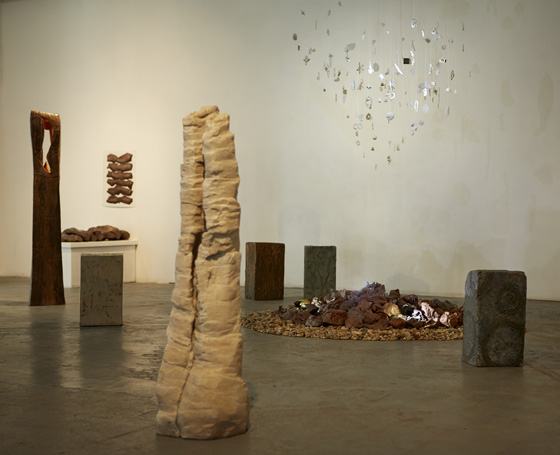
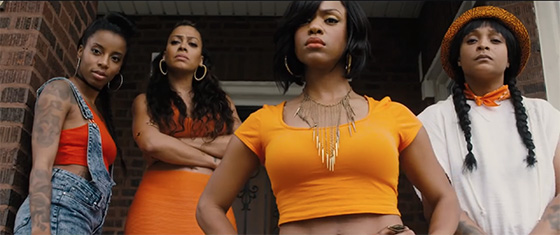
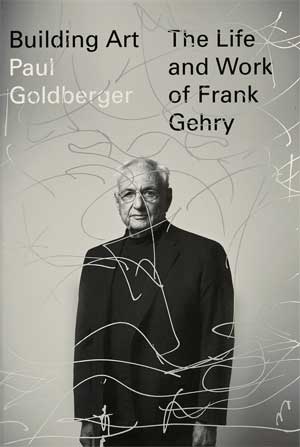
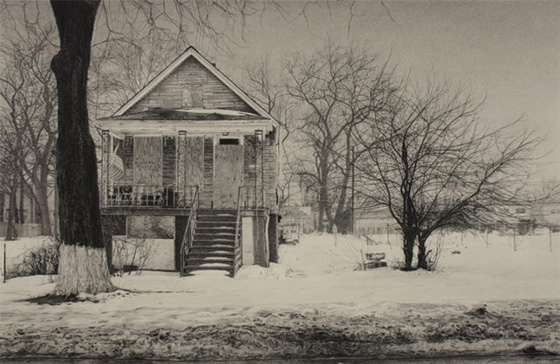
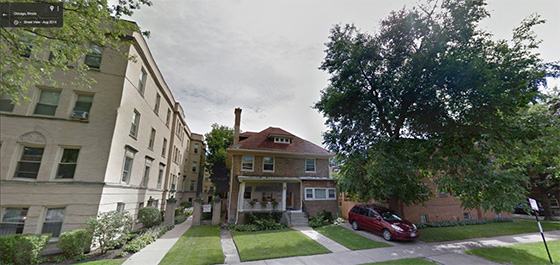

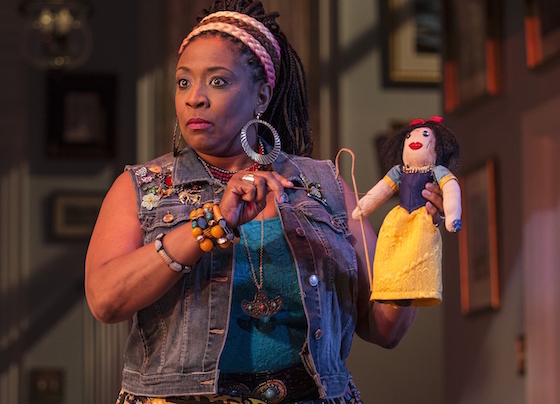
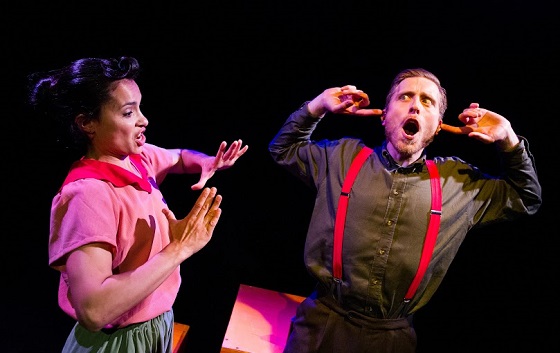
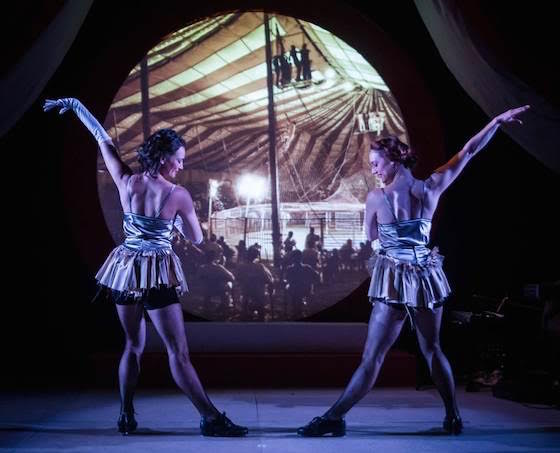
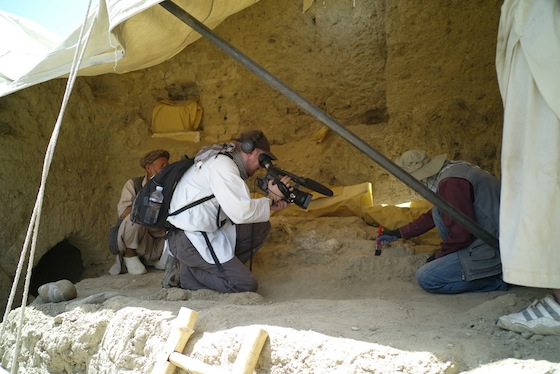
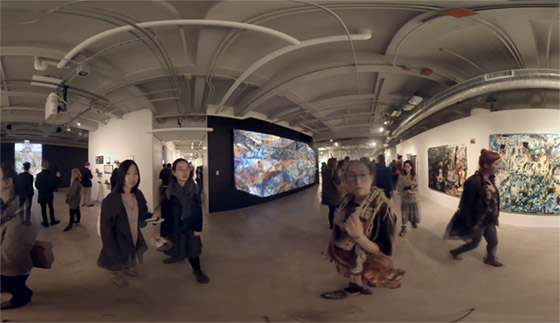

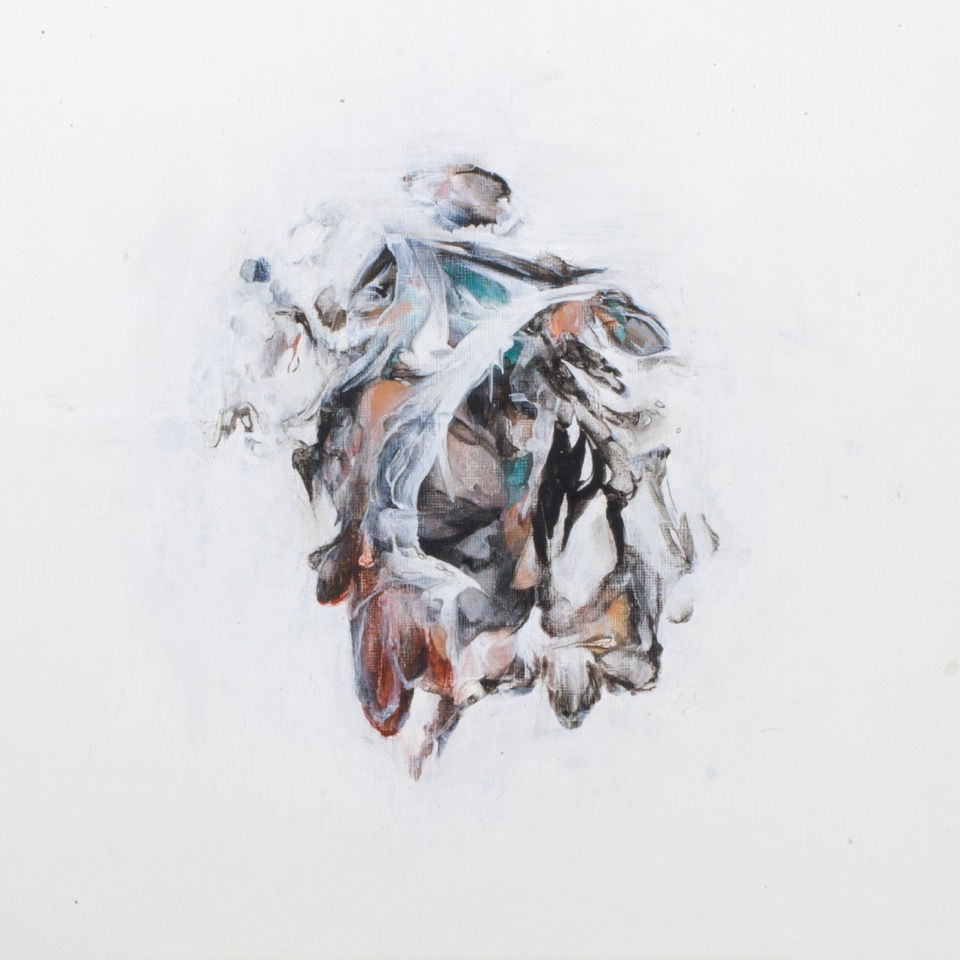
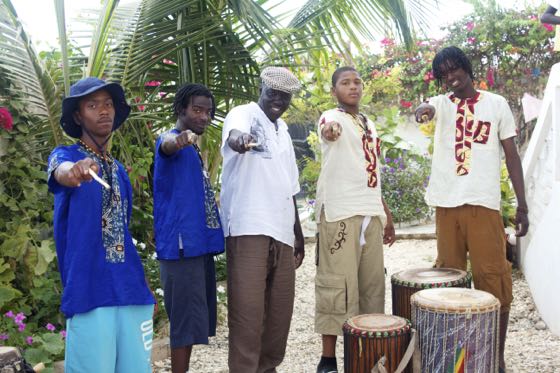

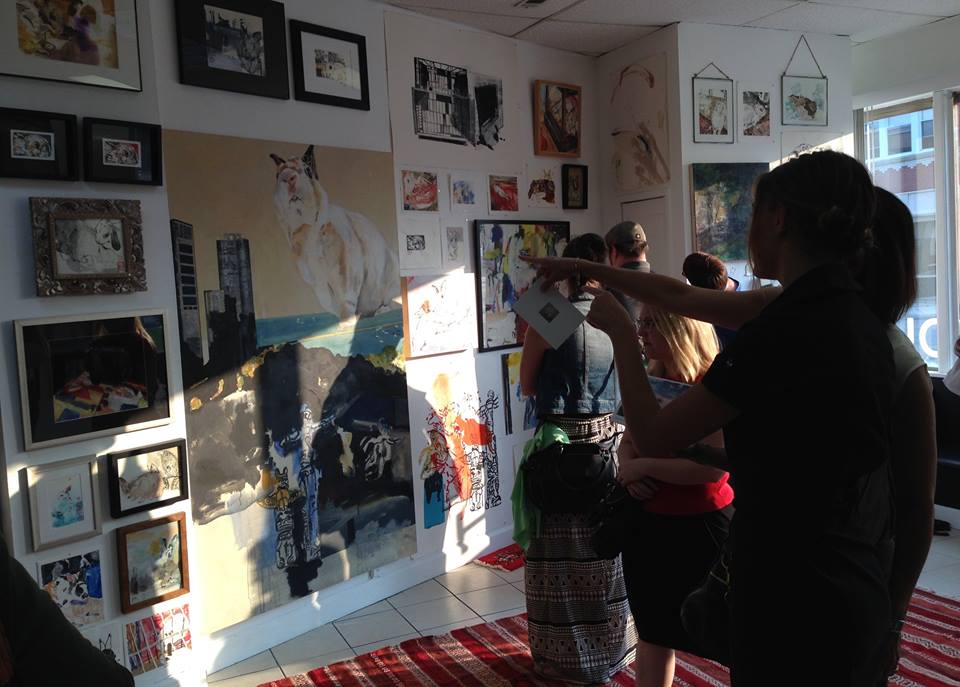
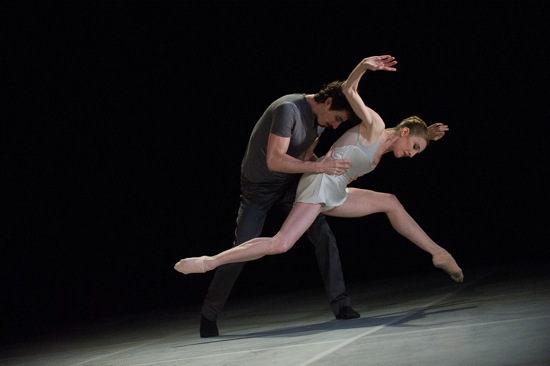
 Canadian filmmaker
  North America's longest-running competitive film festival, the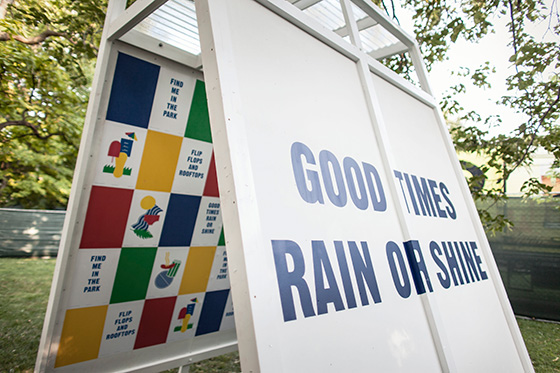
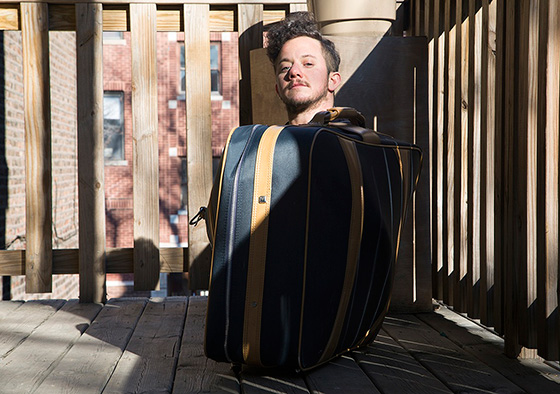
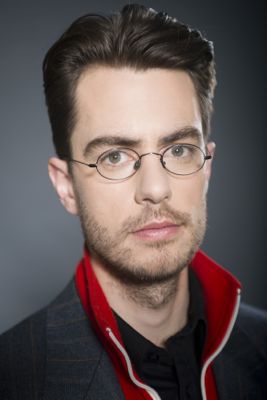 Seth Bockley is a Chicago-based playwright, playwright-in-residence at the Goodman Theatre and author of Ask Aunt Susan, which opened at the Goodman's Owen Theatre this week. He has been involved with the Goodman for several years as part of their playwrights unit, where Ask Aunt Susan was developed after Bockley saw the stage possibilities of the Nathanael West novella, Miss Lonelyhearts. We interviewed him two days after the new play opened. (See the Gapers Block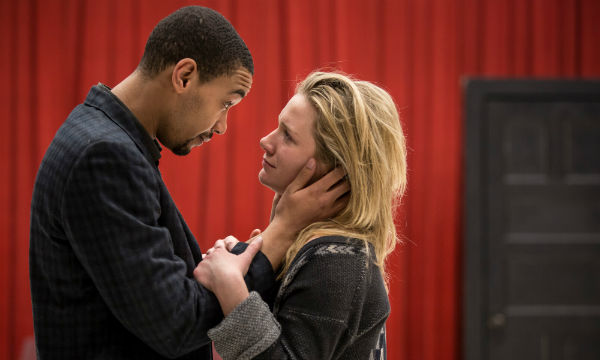
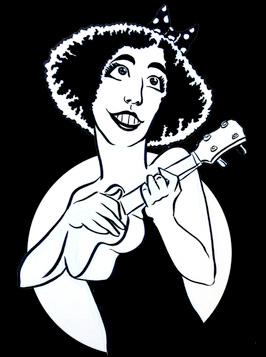 There are some performers that you just know you want to spend time with, from the very first moment you meet them. Plucky Rosenthal, the "Jewish Star of Stage and Stage," is one of those performers. Endlessly bubbly, charismatic and a darling throwback to vintage vaudeville, Plucky plays the banjo and ukulele, sings, cracks corny jokes and generally lights up a room. I had the opportunity to sit down with her about her upcoming show, Plucky and Friends, which opens tomorrow at
 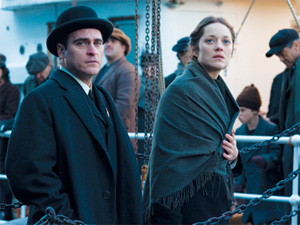 The 49th annual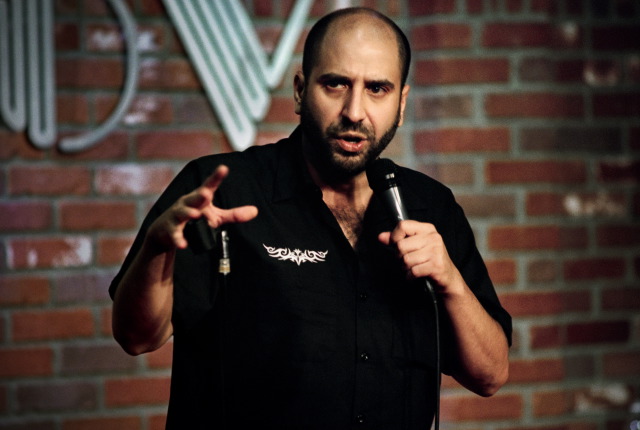
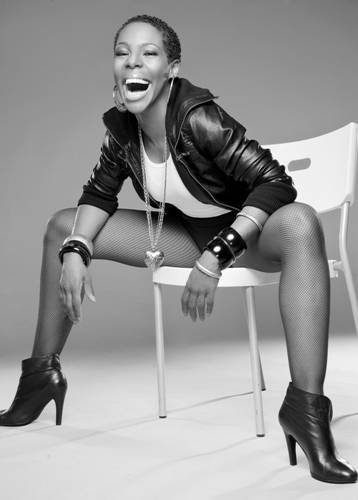
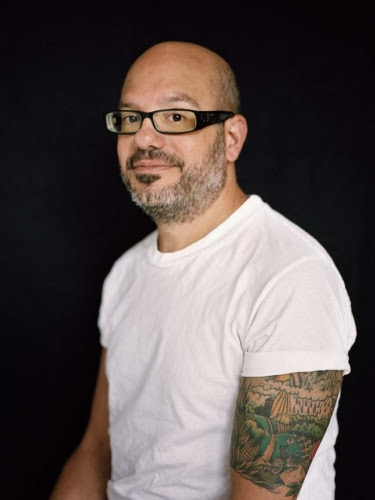
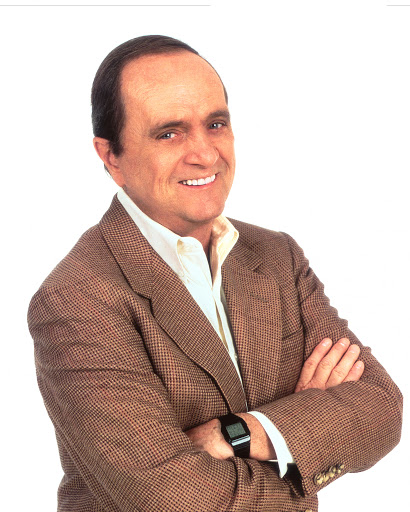
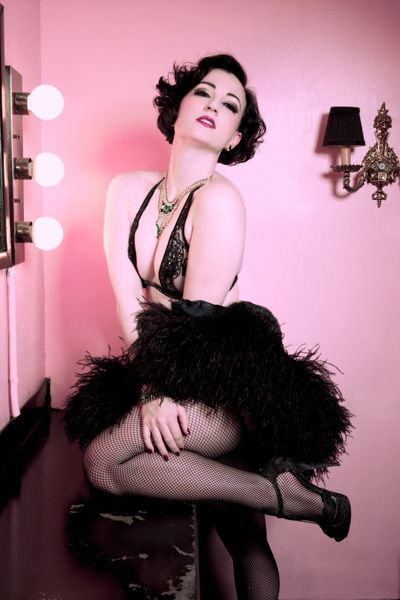 If you love burlesque, comedy, and BYOB venues,
 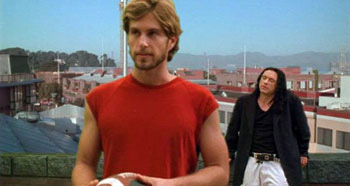 By Doug Rapp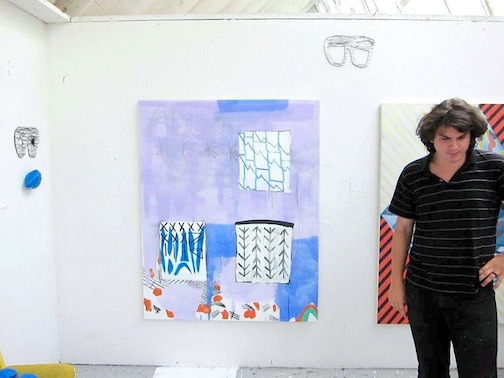
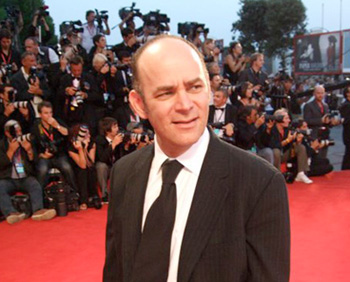 By Doug Rapp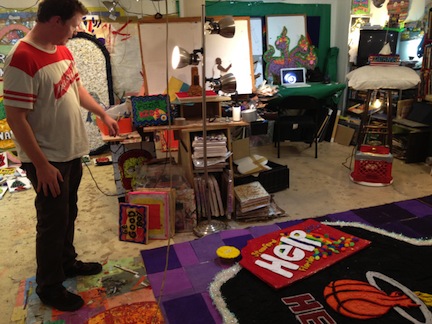
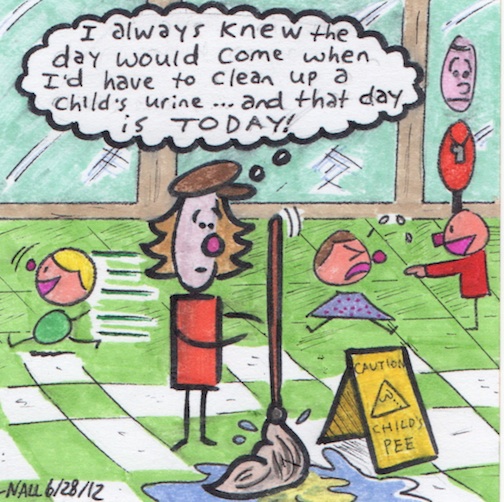
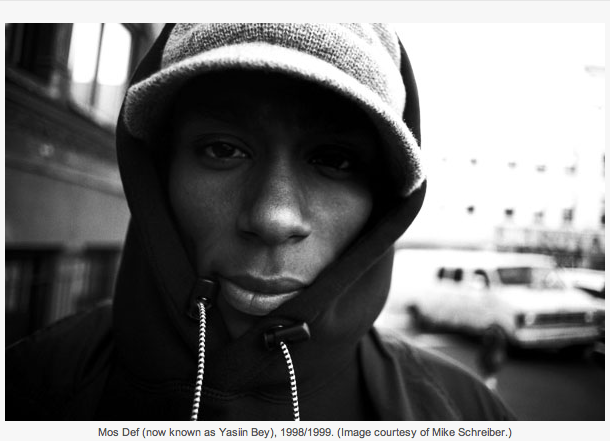
 In one of my favorite Black Star tracks, "Thieves In The Night", rapper Mos Def challenges listeners to "separate the real from the lie." Maneuvering comfortably in the classic techniques and processes of analog photography, New York-based artist Mike Schreiber works to achieve exactly that by creating images which resonate globally with music lovers and photography aficionados alike. Whether it is of musicians who regularly occupy the headphones and speakers of millions of music fans, or the people on the streets of Cuba and Jamaica, Mike's portraits place emphasis on the humanity of his subjects. His photographs remind us that these people are just that-people. He does not attempt to make them into caricatures of themselves or play into a larger-than-life persona. Mike pushes in the antithetical direction with the goal of making a photograph that brings out, as he puts it, a version of themselves that "their mother would recognize."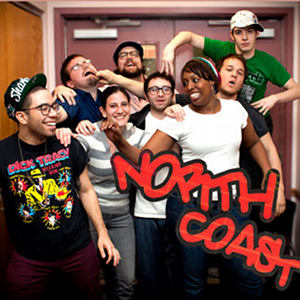
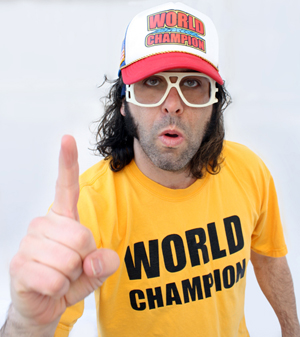 Judah Friedlander, arguably most popular for his role as Frank on 30 Rock is visiting Chicago this week for his one-night only show at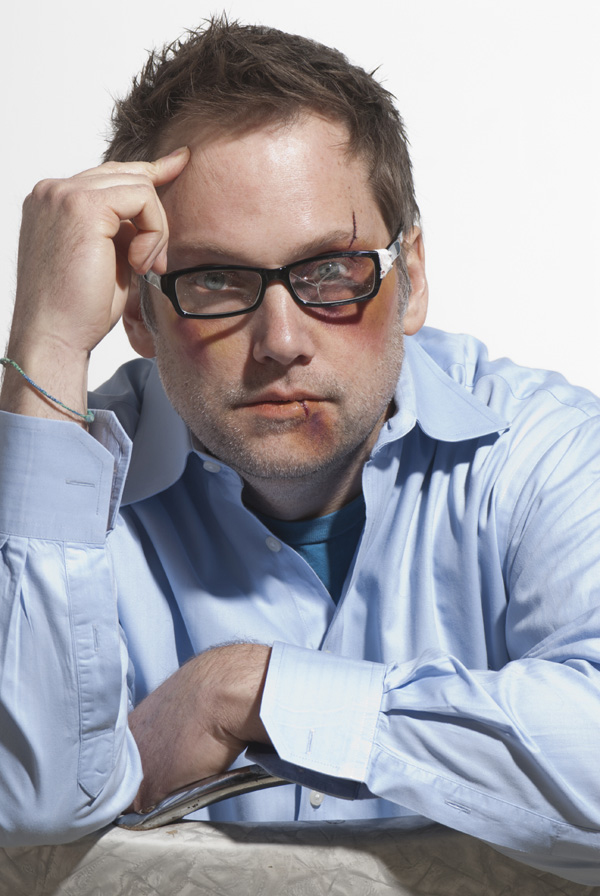
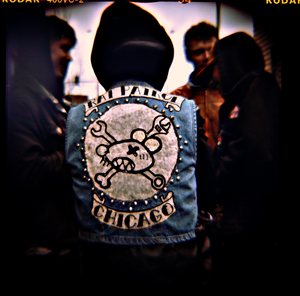 If you've walked down one of Chicago's streets and seen a crusty-looking guy riding something that looks like a penny-farthing built by Mad Max, then you've most likely seen a member of the Rat Patrol. A loose group of punk-looking bicycle aficionados, members of the Rat Patrol are usually regarded by outsiders as either zany or downright intimidating. Since the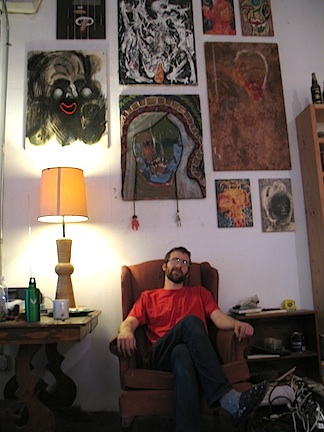
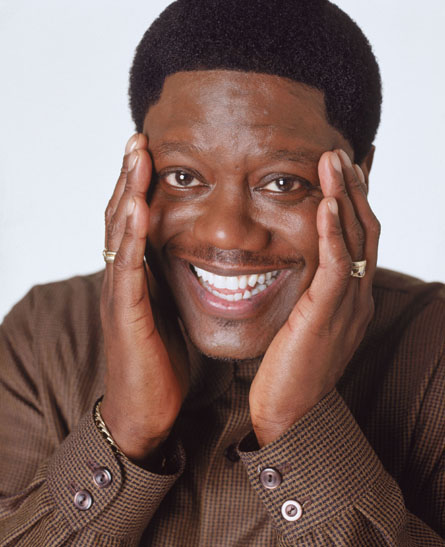

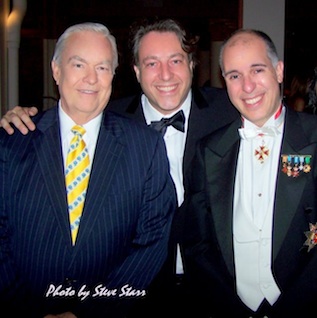
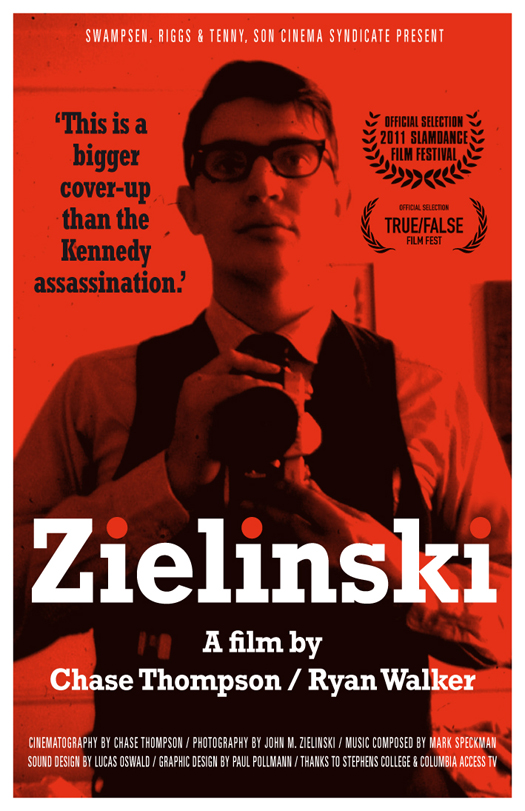
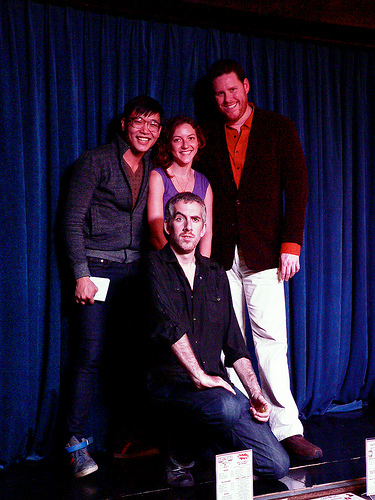
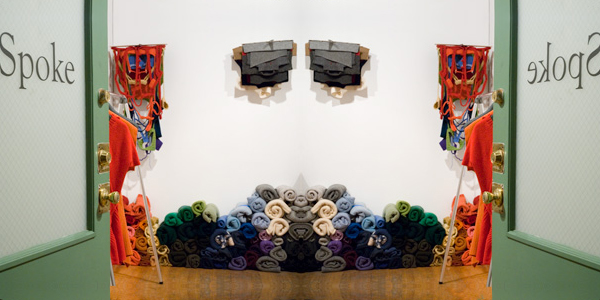

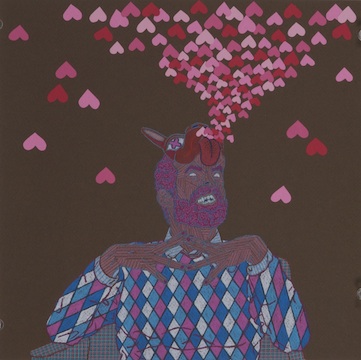
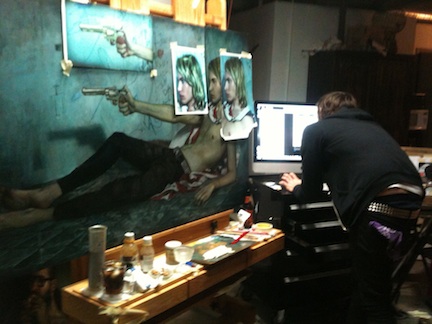
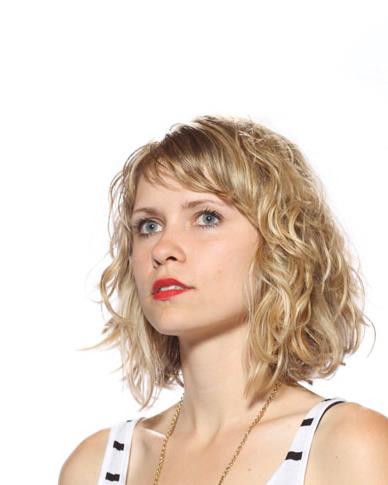
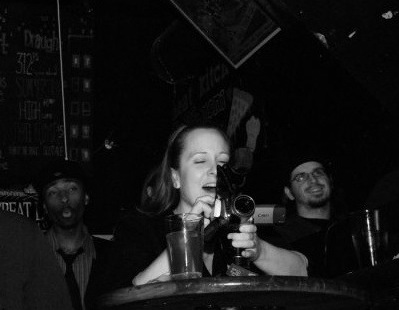
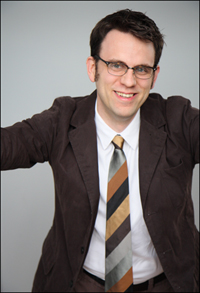 Dan Telfer is one of the hardest working people in Chicago: he co-produces
  The 47th
  Meeting of Styles (MOS) is an annual meet-up of graffiti writers and aficionados. Artists are invited and assigned to an area on stretches of wall space. Public focus is emphasized at the main wall called the "Wall of Style" located at 30th and Kedzie Avenue. The remaining permissioned wall locations are segmented in general proximity to the Wall of Style. To get a good perspective about the event and it's general history, graff writer and organizer of Meeting of Styles (MOS) Đmn ÔloǤy chatted it up with me regarding his experience and involvement with the event and graffiti writing culture. In addition to speaking with the organizer, two former participants provided a better understanding about their experiences with participating in past MOS events.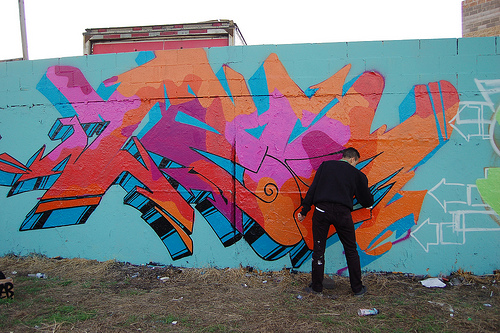

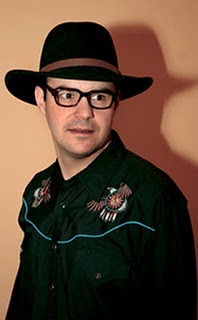 I recently spoke with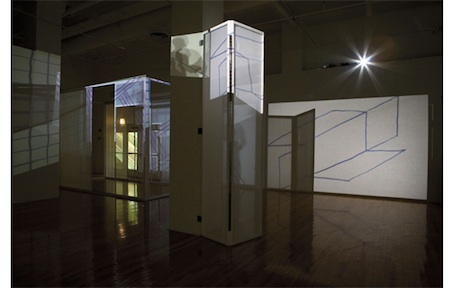
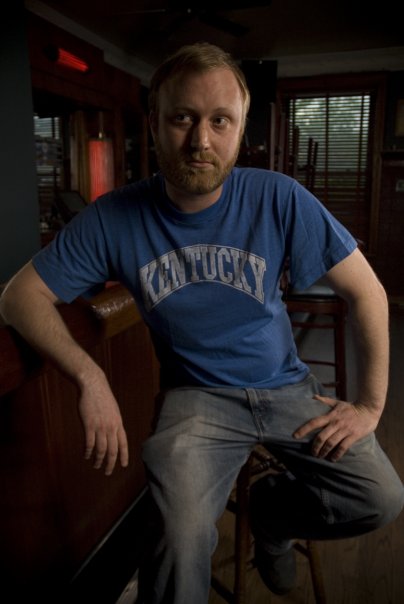
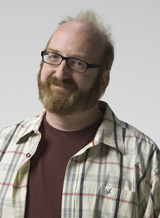
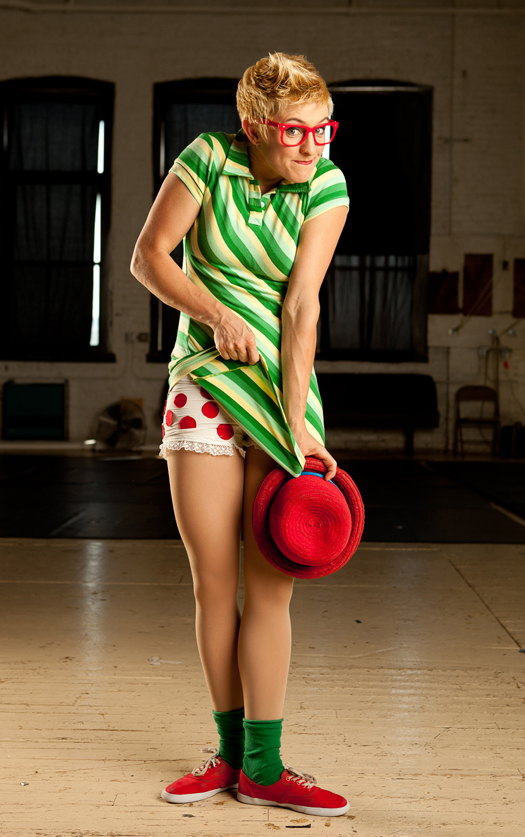
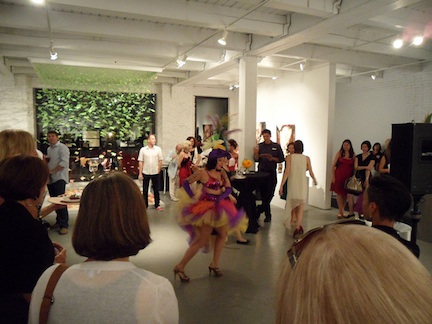
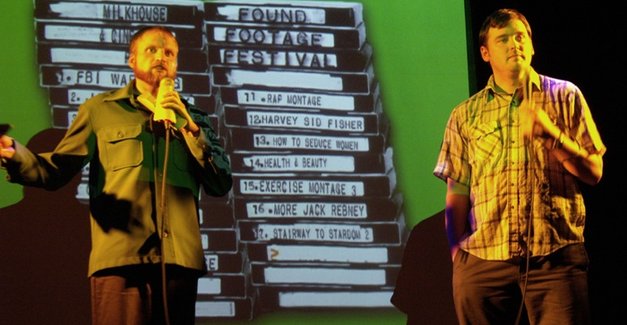
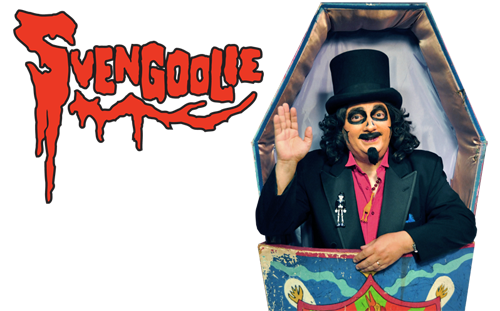
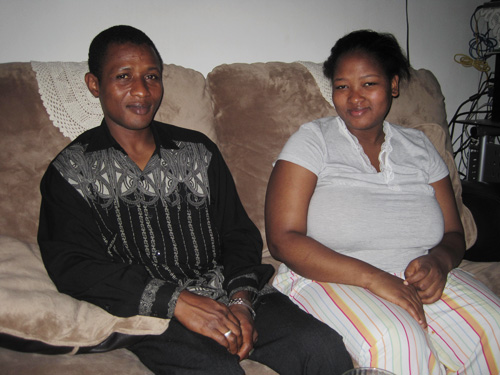
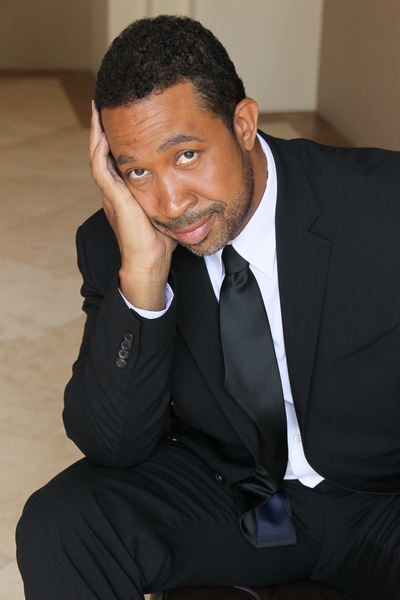
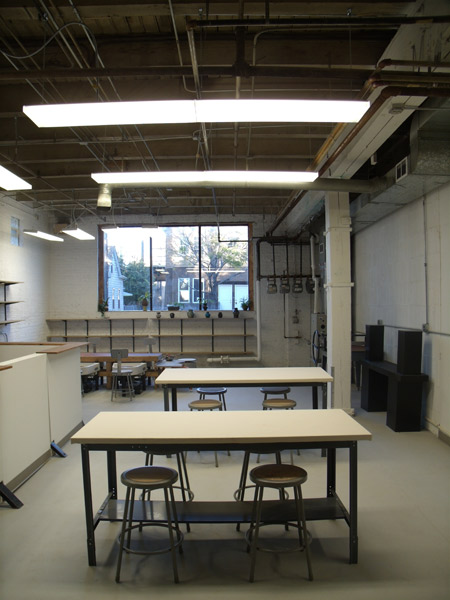
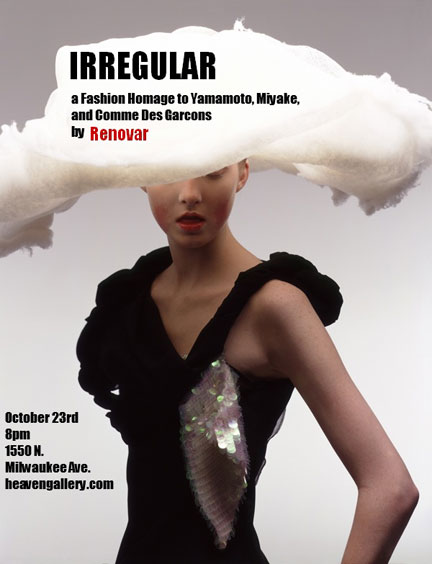
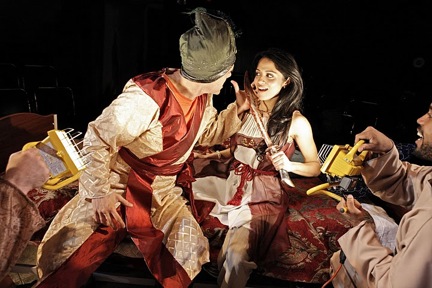
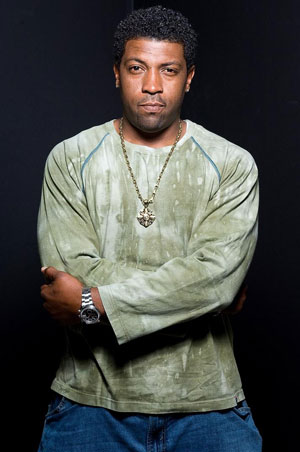
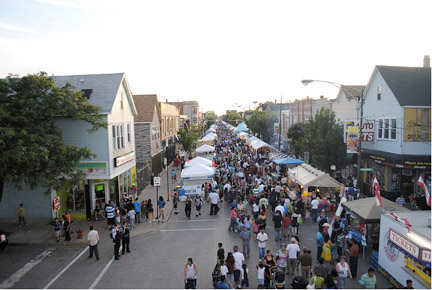
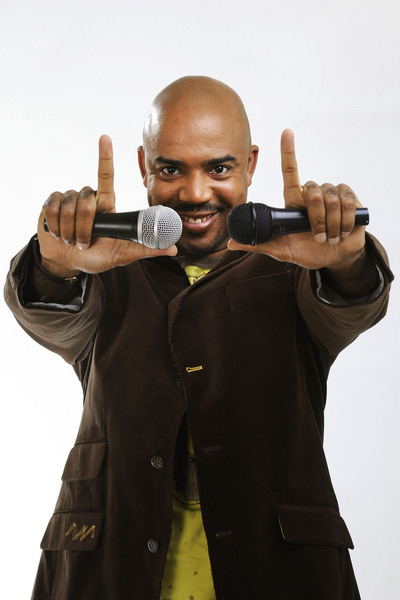
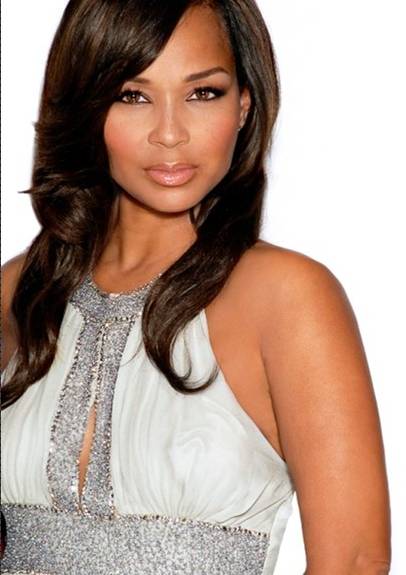
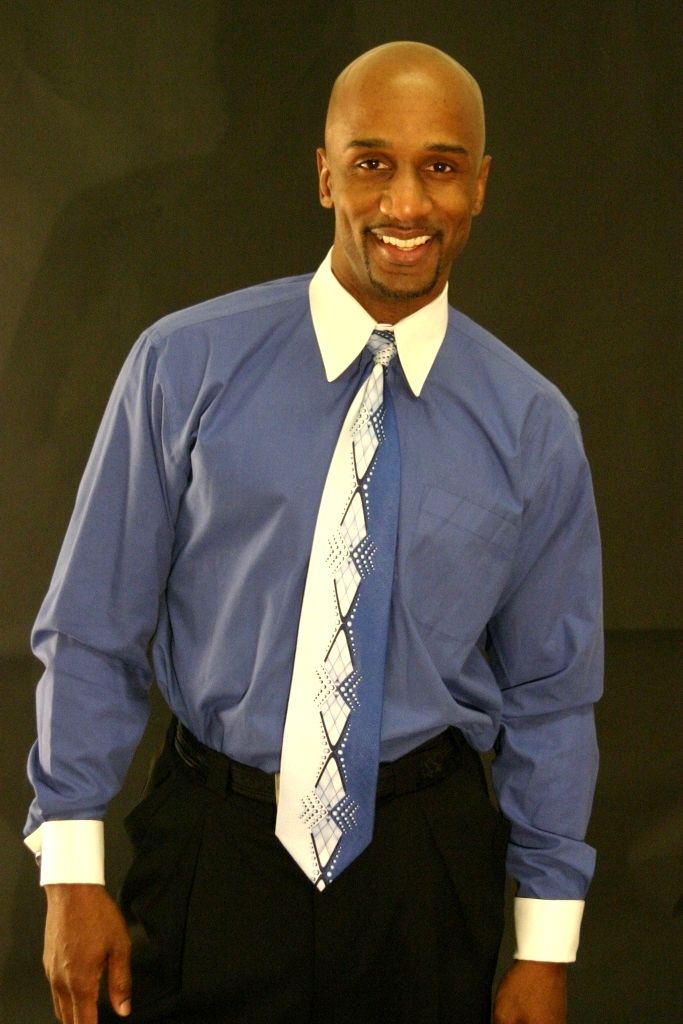
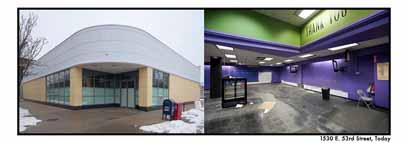
 About a month ago, there were