Gapers Block published from April 22, 2003 to Jan. 1, 2016. The site will remain up in archive form. Please visit Third Coast Review, a new site by several GB alumni. ✶ Thank you for your readership and contributions. ✶
Are you a coffee lover? A tea lover? Somewhere in between? If your answer is "yes" to any of these questions, then cascara may be the drink for you. Cascara, which I only recently heard about, is the dried skins of coffee cherries, the fruit that surrounds coffee beans, which are actually seeds. Cascara (or "coffee-cherry tea") has been consumed for generations in coffee-growing countries, but the market for it is just starting to develop here in the States.
In Chicago, you can purchase cascara from some of the city's finest independent roasters. I found bags from PassionHouse and HalfWit--although there may be others. Some local shops are starting to use cascara in their seasonal signature drinks, so ask your neighborhood barista about this naturally sweet, refreshing nectar.
When I lamented Pinch Spice Market closing its physical store on Milwaukee just south of Western & Armitage, I didn't realize they would become even closer neighbors by appearing every other Sunday at the Logan Square Indoor Winter Farmer's Market. And when I heard they had a new spice blend called Salty Toast Crack Magic Popcorn Dust, I knew I had to have it. My router is named "unicorn palace," after all...
I digress. My partner got one of those Whirley Pop popcorn makers for Christmas a couple of years ago, and we've made popcorn pretty regularly ever since, as we should -- it makes great popcorn inexcusably easy to make. We normally do butter and some kind of hot sauce (Co-Op or Sriracha), occasionally some cheese, rarely any of our myriad spices in the cabinet. We still use about 1/3 stick of melted butter, but since getting the Salty Toast Crack Magic Popcorn Dust, we haven't used anything else. It's pretty much what it sounds like: a good dose of salt, cinnamon, sugar, and the surprise ingredient -- dried orange peel! It was $5-ish for a small tin, and I'd say we use just under a tablespoon per batch of popcorn.
I've had luck with other spice blends I've purchased from Pinch as well. I recently made some honey roasted almonds spiced with their Ethiopian Berbere, and a leftover custom blend, Surrett Singapore Spice, was excellent on some broiled salmon.
Farmers markets aren't just opportunities to support local farmers and buy fresh produce; they're also great ways to expand one's culinary repertoire. Whenever I see shoppers reaching for those beets (which will inevitably go into some beet and goat cheese salad) or spinach, I mentally beckon them to try some of those more esoteric veggies and herbs, sitting sadly in their small wooden crates. Although it can be daunting, I encourage you to diversify your palette by considering the following substitutions:
Purslane instead of Lettuce
Native to India and parts of the Middle East, purslane is one of those sprawling weeds people usually yank out of their garden. But did you know that purslane provides six times more vitamin E than spinach and seven times more beta carotene than carrots? It also contains alpha-linolenic acid, an essential omega-3 fatty acid usually found in animal products such as eggs and fish. Crunchy and lemony, it tastes much like a fusion between spinach and watercress, and can be utilized in everything ranging from salads to soups. I enjoy my purslane with tomatoes and onions, garnished with a bit of EVOO, salt, and pepper.
Patel Brothers, 2610 W. Devon Ave., received its shipment of Kesar mangoes from India this past weekend. They're $24.99 per dozen, and there aren't many cases left. Be sure to have the case opened up and checked for bad fruit: they've traveled a long way, and these are very delicate mangoes. Their creamy, almost pudding-like flesh bruises easily, reducing the fruit to pulp. Delicious pulp, but still.
Indian mangoes were first imported into the US in 2007, thanks to some sharing of nuclear know-how. Prices have fluctuated over the years, bouncing between (typically) $25 and $35 depending on crop yield and import volume.
The grocer who helped me fill out an unblemished case of Kesars told me Alphonso mangoes will arrive this coming weekend. If you're only going to pick up one case -- and at these prices, I wouldn't blame you -- those are the ones to get. Alphonsos tend to be more floral than Kesars, and more of a clear example of how different Indian mangoes are from the New World varieties we most often see in stores.
The ingredient: avocados. The challenge: a culinary transformation of the fruit/vegetable into something that will bless taste buds with excellent flavor.
The hilarious food takedown promoter, Matt Timms, is bringing the Avocado Takedown to Chicago. Twenty people will compete and Timms is looking for 10 more home cooks to whip up something awesome with a crate full of Avocados from Mexico. Participating in the takedown is free! Those interested should email Timms. Contestants will compete for fancy cookware and $500 cash.
This is one of the many upcoming Chicago Food Film Fest events (which we're totes looking forward to). Interested in watching it all go down? Tickets go on sale next week on the Food Film Fest website. The Avocado Takedown is from 1 to 3 p.m. on November 17 at Kendall College.
What makes a Chicago-style hot dog so unique? It's the melding of all the ingredients, the balance of flavors tested over time and eventually made canon: hot dog, yellow mustard, relish, chopped onion, tomato slice, dill pickle spear, sport peppers, celery salt, poppy seed bun. All together, they create a delicious harmony.
Nonetheless, one ingredient stands out, especially to visitors to Chicago: the neon green relish. Its artificial hue can't help but draw attention, and it's the most talked-about element among tourists and insult comedians.
Nobody is quite sure where the bright green relish got its start. Hot Dog Chicago Style claims it was introduced in the 1970s at classic stand chain Fluky's, while Dining Chicago's Leah Zeldes reports that Superdawg cofounder Flaurie Berman says her shop has used it since it opened in 1949. Zeldes guesses that the lurid green may have been an overzealous attempt by a relish manufacturer to ensure a consistent color in his product. Who knows how many copycats it inspired, but today there are only three brands of neon green relish available at retail: Vienna, Rolf's and Puckered Pickle Co. (BestOfChicago.com sells a Fluky's branded green relish, but only in a $25 four pack with yellow mustard, giardiniera and, for some reason, serrano peppers.) None of them is easy to find -- you're lucky if the grocery store near you carries even one -- but a Chicago-style hot dog isn't quite the same without it.
It's the middle of the afternoon on Independence Day. Most years, this is the time I'd be sprawling on some lawn furniture on the deck next to my uncle's pond in northwest Missouri, sucking down mojitos with my extended family, coming up with creative excuses to avoid taking the little kids' bluegills off their fishhooks, and waiting for the ribs to be ready. But with the holiday in the middle of the week this year, I'm here in Chicago for what I believe is only my second July 4th observance in the 11 years I've lived here. In my 85 degree Chicago apartment. It's a chilly 79 degrees in the bedroom, where the a/c unit we found in the basement last year is tenuously clinging to the windowsill. In the middle of the hottest stretch of Chicago summer weather I've experienced, I'm afraid if I go outside I might combust, melt, or just drink myself into a stupor and miss my favorite holiday in a haze of alcohol and sunstroke. And it's okay, because I've found a new skill, which I'm hoping to hone a bit in the sweaty confines of my third-floor kitchen before showing it off in public. I just learned how to shuck an oyster.
Tomorrow, the Sun Xien Soy Products factory is opening its doors to the public to tour its new tofu processing plant. The factory, owned by the Cheng family (who also run Sun Wah BBQ in Uptown), will be the second offering Chicago has for fresh tofu, along with Phoenix Bean. Email or call 847-432-8255 to reserve your space on the tour. The factory is located at 613 W. 47th St.; doors open at 10am and admission is $3. UPDATE: We've just learned that the tour is full, but you can still get on the waitlist.
For those of you looking for something special to grill up this weekend, we have a few suggestions that may take your humble grilling game to the next level.
Head over to Butcher & Larder, 1026 N. Milwaukee Ave., at 10am tomorrow to get in line for their latest Kuma's Corner collaboration. This time around, the Mastodon is taking on its sausage form: BBQ sauce, cheddar, bacon and frizzled onions in a beef and pork blend. Their previous collaborations were big hits so be sure to get there early. Proceeds are going to a worthy cause.
Publican Quality Meats, 825 W. Fulton Market, is running a few specials, but plan ahead as they will be closed on Monday. "The patriot" will get you four burgers, four Toulous sauages for $20 and flat iron steak and flap steak are $13.50/lbs with PQM marinade. Check their facebook page for more specials.
Or if you're too lazy to stand over those hot coals, head over The Southern, 1840 W. North Ave., on Monday for a pig roast. A Swabian Hall pig from Rustic Rooster farms in Waterloo will come off the coals around 3pm, complete with tasty sides. Templeton Rye cocktails will be available for $6. Tickets in advance are recommended.
Following the news that Longman & Eagle bartender Derek Alexander came up with a recent concoction using breast milk and baby formula, one local artisanal cheese producer has upped the ante, marketing a new line of cheese made from the breast milk of cows and goats.
"If there's a market for this, which I think there might be, we want to be on the cutting edge," says Tom Quesomorfine, head cheesemaker at the Prairie Dairy farm on Chicago's far South Side. He and his staff produced a test batch of chevre earlier this week that won rave reviews from everyone who tasted it, except for one tester who posted this on the farm's Facebook page: "Call me old fashioned, but I find this disgusting. And, frankly, I found this cheese much more bland than the cheeses made with regular milk."
Prairie Dairy is ready to move forward with small batches of chevre and camembert made with fresh breast milk from cows and goats. "Of course," adds Quesomorfine, "mother's milk is liquid gold. Our price point will have to reflect this special ingredient." Visit Prairie Dairy's website for information on where to purchase the new cheeses.
No plans for New Years Eve? Don't feel like fighting the masses for expensive party tickets and limited taxis? No, worries. Jeni's Splendid Ice Creams has just the thing. This year, Jeni's (based in Ohio and delivering quality, artisan scoops) is suggesting that you switch things up. Don't go out, stay in. Find relief from the mayhem and ring in the new year by toasting party-by-the-pint sized signature flavor collections from Jeni's instead. With most pints priced at $12-$14 per pop, the sublime holiday collection set can be shipped directly to you, complete with 6 pints of ice cream for a steal at $70. Talk about reasonable and delicious. Be sure to check out their holiday video by Lange Studio, just in case you're still not convinced. A pinch of holidays, a dash of good company, just add ice cream and mix well!
I know we're all finalizing our Halloween costumes for next weekend's festivities, but if you were thinking of supporting your local farmer for the holidays, your local meat counter is open and ready for business.
I have used Meadow Haven Organics for my Thanksgiving turkey for the past two years and have been quite pleased with the results. Despite my sincerest intentions, I never baste as diligently as I should; does anyone? My neglect I believe, is typically due to an overabundance of pumpkin ale and cranberry wine but whenever I use a local bird, it doesn't seem to matter. Fresh birds hold their juices better, and happy local birds are more forgiving than the Jennie-O variety.
Slow Food Chicago posted a handy guide for purchasing turkeys, ham, geese, ducks, goats, beef, and lamb for your holiday meal. You can ask farmers face-to-face at your local farmers market to see if they'll be supplying the area this year. Or if markets just can't be squeezed into your Saturday or Sunday morning, check out this Local Beet listing of where to find local foods or check with the Butcher & Larder to see if they have availability.
Hey, you. Can I tell you something? Last week, those greens and asparagus I got? I haven't eaten them. Well, I had a few handfuls of the lettuce (the stuff that didn't freeze in my stupid work refrigerator, that is), but the asparagus remains in a shallow glass of water in the fridge, and I have my fingers crossed that the cooking greens will be edible sometime this week.
But! I have an excuse! I'm in the middle of moving. Between the packing and the cleaning and the painting I can't say I've had any motivation at all to cook up a big meal. And that heat and humidity last week certainly didn't help.
But this week I've got high hopes. And I'll show you why:
L-R: portobello mushrooms, more green garlic, black beans, lettuce, turnips (w/ greens), radishes (w/ greens)
I'm glad it's farmer's market season not only because I love food and cooking, but because this year, my partner and I got our shit together and joined a CSA* from Montalbano Farms. One share can be a bit much even for two people, so we're splitting it with another couple we're friends with, Drew and B.
We chose Farmers Rob & Christina for basically one reason: their gorgeous vegetables (sorry, that's from August 2010... we'll get there soon enough!). I had a CSA a few summers ago with Tempel Farms and it was great, but Montalbano's produce last year was not only aesthetically pleasing, but always delicious. I still get fantastic pastured eggs from Tempel ($5.50/dozen, and worth every penny), and bacon and occasionally fish from the sweetest couple at Jake's Country Meats.
So every week here I'm going to cover what's in my CSA, how I plan on using it, and the next week follow up with what I actually *did* do with it.
Like Sweethearts, candy corn and egg nog, Peeps are without a doubt Easter's standard one-and-done seasonal confection. We bite the head off, maybe do a funny experiment and then we're basically good for the rest of the year. That doesn't stop chefs from trying to make them, you know, more edible though. Today, the Tribune threw down the gauntlet and put three of Chicago's finest to the test. What did they come up with? Some actually pretty good sounding stuff. Grahamwich concocted a Peep ice cream and Nutella sundae and they'll be serving it on the menu for the next few days. [Tribune]
You have one more day to cast your vote for the Baconfest Poetry Competition. I'm torn between the intimacy of "Rendering" ("bacon became Bacon, my mouth gaped adrool- / and still / that sizzle echoes / through time's larders / and the years' open windows...") and "Ruminations on the Smell of Bacon" ("If they could, / those air-freshener guys would / abandon the mamby-pamby / scents of jasmine and lilac, / devise a way to give you the man-happy smell / of black coffee and bacon."). Winner gets admission to the sold-out April 9 event at UIC Forum and a few other porky gifts.
First of all, I find it hard to believe that the entire city of Chicago has turned its back on Midwestern pride and solidarity to root for the Steelers tomorrow. The number of city- and suburb-dwellers owning or renting property in the Northwoods alone should give anyone pause when allegiances are being formed. I think there's more than enough room under the Packer fandom umbrella to not only fit, but welcome (probably with a free drink and a church hug! We are a friendly bunch after all) any and all who primarily cheer for the Bears but might, just might, quietly root for the Green and Gold in tomorrow's championship.
Secondly, let's not pretend that only one of tomorrow's two teams comes from a rich culinary tradition. Say what you will about Wisconsinites' procilvity for adding green and yellow food coloring to unlikely foodstuffs (bagels, guys? Really? That just looks like mold), this is also the home of the kringle, the foot-tall pies of the Norske Nook, the American miner's pasty (okay, the UP can share the claim for that one), The Bratwurst Capitol of the World, New Glarus Brewing Company (not to mention Miller Brewing Company, or about 70 others), beer cheese soup, beer butt chicken... Really any combination of beer and cheese. We're equal opportunists for the consensual merging of that which we most love! (Which is more than Ben Roethlisberger can say, am I right??) And on top of the Wisconsin food pyramid, reigning supreme over the vast farms and small towns of America's Dairyland, is the cheese curd.
Let me preface what follows by saying, it's not too late -- the diets don't have to start until tomorrow! You still have time to binge before 2010 packs it in once and for all and the frugality and self-control of 2011 descend upon us! And if that proclamation has lodged comfortably in the justification portion of your brain, as it has in mine (right next to "I'm on vacation!"), why not top off that sentiment with a little bite of foie gras? The easiest way to do this, to be sure, would be to visit one of our very fine Chicago establishments and let an expert make you something delicious. Longman and Eagle was just featuring a duo before the holidays -- seared bit of lobe with a tiny green salad and some delicious crispy french-fried onions, with a foie-infused hot chocolate and just tasted like drinking pearls and velvet. And that's just the tip of the iceberg -- do a search on "foie gras" under the Find-A-Food option on Menupages if you need some help narrowing down the options.
Or if, like me, you ordered some Hudson Valley fresh foie earlier this, brought it to Wisconsin let your chef brother have his way with it for Christmas, and came back to Chicago with two tiny remaining pieces and a new food processor, you could make your own end of year treat.
I'm going to come out and say it: store-bought, commercially made applesauce is the worst. But for the longest time, I thought that's all there was to be had in this mildly appreciated side dish of many childhood lunches: a lumpy, watery mess of preservatives and sugar. After recently making my way through a small part of a peck of apples, I realized I was approaching a stage of food boredom with how I was eating them (#firstworldproblems), and was in danger of hiding them in my fridge permanently to turn into science projects just in time for Valentine's Day. But then I thought to revisit applesauce.
This recipe is simple as addition and produced the most flavorful applesauce that I have ever tasted. With my beloved hand blender at the ready, I made a batch of thick, smooth sauce that made its way into everything I ate that week: oatmeal, between the slices of a grilled cheese, on crackers, and blended into a smoothie (try it with a banana). All you need is a stockpot and a bit of sugar, water and cinnamon. Wonders never cease.
There are few things I love in this world more than a good cheese. Because of this cheese obsession, you can correctly assume that I love grilled cheeses, but sometimes it's hard to find a cheese that tastes good on its own and equally delicious when melted. Enter: Butterkase. This semi-soft gift from the heavens is a little salty and creamy when eaten at room temperature and pure gooey magic when heated. You can find this delectable treat at the Green City Market for $6. I am telling you -- it's awesome. (Forgive this terrible picture, I can't slow down to take a proper one...)
The Washington Post chronicles the progress of the Michelle Obama-inspired Chefs Move! to Schools project at a west side elementary school. Although the picture shows that Jocelyn hates the vegetables she sampled, the visit did earn some respect for bell pepper and spinach.
Veggies are a hard sell on kids. I know when I was a wee gal, vegetables were tasteless, nutrition-free experiences--iceberg lettuce smothered in Ranch dressing and celery smothered in peanut butter. It's no wonder I grew up hating the produce aisle, but as an adult I grew to adore two hardcore vegetables--spinach and beets--but only after a lot of experimentation and sampling of well-made dishes (I credit Lula Cafe's spinach, goat cheese and craisin salad as a catalyst).
Anyone else out there want to share their own vegetable-related struggle?
Ramadan begins tonight. For people who are Muslim, the 9th month on the lunar calendar began today, and Ramadan continues for the next month. This is a time of fasting and being patient and spending more time and energy focusing on Allah. The fasting is the hard part, especially during the summer when the period from sunup to sundown can be quite long. (5:54 am to 7:56 pm, for example)
Since Ramadan is about fasting, and not about food, there aren't many dishes that are universally common across the variety of Muslim countries that practice fasting during Ramadan. However, dates are commonly eaten at this time. Not only is it believed that Mohammed broke his fast by eating dates, but they're particularly well-suited to fasting. Dates are high in fiber, sugar, magnesium, and potassium. When dates are eaten as part of a light meal with protein and complex carbohydrates, it may be easier to fast without experiencing a severe sugar crash.
Almost all of the grocery stores along Devon Avenue Between Bell Avenue and California will sell dates in a variety of forms. You'll be able to find them dried by the pint, quart, or case. And the season for fresh dates that are mostly grown in California is just beginning.
And if you're looking for some ideas of dishes that will likely be made all over the world in people's homes to celebrate Ramadan, AllRecipes.com has a pretty great round-up with some very interesting dishes.
Let's face it, store-bought maraschino cherries are just too darn sweet. If you're cocktail-savvy, perhaps you've had straight bourbon-soaked cherries. Last week I stumbled upon a recipe I thought I could tweak to fall somewhere in the middle.
The idea was to make a bourbon-soaked cherry with a twist. Straight bourbon might be a little much, so I grabbed my partner's bottle of homemade limoncello, picked up a quart of sour cherries at the Logan Square Farmer's Market, and got to work. After some tinkering and tasting, I came up with the following recipe:
1 pint sour cherries, pitted
1/3 cup limoncello + 2/3 cup bourbon (I used Maker's Mark)
First, if you are pitting the cherries yourself, might I recommend you not wear a white shirt? If you're anything like me, you'll end up with cherry boob. Second, I'd recommend you get a $13 cherry pitter, because pitting cherries is tedious work.
Next, heat the liquor in a small saucepan until it just starts to bubble; on my gas stove this took maybe a minute. Pour in your pitted cherries and swish around to cover with liquor. Let sit and cool to room temperature, then place in glass containers, and refrigerate. It's recommended that you let them soak for 48 hours before using, and it took all of my willpower to wait that long. They will keep in the fridge for quite some time (several months, if you can make it that long).
May I also recommend that you tinker with other liquor combinations? For the second pint of cherries, I used 1/2 cup cherry liqueur with 1/2 cup bourbon. The limoncello/bourbon cherries came out slightly sweet with a prevalent lemon note, while the cherry liqueur/bourbon cherries had a bit more heat to them--almost bitter; but both cherries remained firm and retained their sour flavor as well. Use of sweet cherries will give you a different result, but likely pleasing nonetheless. For my next batch, I may try an orange liqueur, or perhaps some brandy or calvados; it'd be nice to make some flavored for the warmer months, but to be honest, I don't see them lasting that long.
Everyyear in late April/early May, Patel Bros. grocery store, at 2610 W. Devon Ave., receives the very first shipments of Indian mangoes to America. This year is no different; the first cases arrived this weekend. Patel Bros. has two varieties available: the fragrant, floral Alphonso that were the first to arrive in the States, and now also the smaller Kesar variety.
The mangoes are available by the case only, at $34.99 a dozen. That's a major reversal in pricing trends; they were just $25 a case last year, $30 in 2008 and $36 in 2007, their first year in the States. It's a bit of a surprise since India has seen a bumper crop this year, but don't worry, the prices will drop as more shipments come in.
It looks like the out-of-this-world tofu imported from Japan is a thing of the past at Mitsuwa these days. Since the beginning of the year, we've been to the Arlington Heights market 4-5 times, but have never seen the tofu in stock. While my wallet may be happy about this, it is quite distressing to my yearning palate. Yes, we still have the great tofu made on the premises at H Mart, but I must say, it doesn't come quite as close to the heavenly flavors and textures of the Otokomae series of tofu.
So, naturally, I've been looking for alternatives in unexpected corners. One was discovered recently, hiding in the dairy case at Trader Joe's. Tofu alternative in a dairy case, you might ask? Yes, is my emphatic answer. See, the thing about the Otokomae tofu is that it is extremely creamy and full-flavored--almost like... well, fresh cheese. In this case, that fresh cheese is burrata.
Burrata is a cousin of the famous mozzarella, with a firm, mozzarella outer shell that contains rich, creamy innards. When cut, a heavenly mixture of mozzarella and cream oozes out. It being from Italy, burrata is usually served with one (or a combination) of the usual suspects: olive oil, tomato, prosciutto, and so on. However, when paired with a freshly squeezed sesame oil (also available at H Mart) and a dash of soy sauce, burrata can taste remarkably like a high-end tofu. If I compared this Japanified burrata to mass-produced tofu served the same way, I'd say burrata wins. Give it a try! (Brief recipe follows.)
"Because it tastes like soap," my mother would say in a dismissive tone, when I asked her why she hated cilantro so much. "You've tasted soap before?" I would sarcastically reply, images of Dove-flavored milkshakes dancing through my head.
We got nowhere in this argument, but now I can attribute her dislike (and my like) of cilantro to genetics: an article in today's NYT reveals that we may have genetic predispositions and sensory-driven biases to such contentious spices as arugula and coriander--debates that enhance the importance of "smell and taste to survival, and the brain's constant updating of its database of experiences." How Fight Club!
What do you do when you see an unfamiliar produce that looks and smells fabulous? Would you get it and hope that you'll figure out what to do with it later with the help from Google? Or would you walk away, and hope to get it when you actually know what to do with it? (This sounds a bit like Epimetheus vs Prometheus thing...) I can be either, depending on the level of motivation and adventurousness at the moment, but last Saturday, my inner Epimetheus won. It was mainly because the fresh guava was smelling too good to pass up. The Ping-Pong ball-sized yellow orbs had a few bruises and scratches, but they smelled so sweet and tangy--it was like there was a tiny sphere of the tropic right above the guava stand. So, without knowing what to do with them, I grabbed a dozen or so.
Once home, I looked up what to do with them. The consensus in the cyberspace seemed to be that guavas are edible raw, skin, seeds and all. Somebody mentioned a guava milk shake he had in Egypt. I almost drooled on the idea, but didn't have ice cream on hand, so I decided to make guava squash instead. Though I didn't have any recipe to rely on, it turned out fantastic--a perfect drink for the summery Saturday. This left me with enough fresh guava for another round, and I had a brilliant idea for that: add a shot of tequila. We had a beautiful bottle of Don Julio Añejo (a gift from a few years ago that we've been savoring slowly), so I added that to the squash. The result? It's pure danger in a glass. My husband proclaimed that he could drink two gallons of the stuff, and I had to agree. The alcohol balances out the sweetness nicely, and the slightly oaky flagrance of the Añejo added another layer of complexity to the drink.
It seems earlier than the last few years, but the wild leeks are already starting to come up in forest preserves. Maybe it's the burst of warmth last week. We spotted a large number of tender shoots pushing through the fallen oak leaves as we took a short stroll Sunday afternoon. The ground was so muddy in parts given all the snow that fell on Saturday we almost didn't dare stepping off the main trail, but after seeing patches of wild leeks, we couldn't resist.
The shoots must have come up just a day or two before--they were completely clear of any dirt, and were incredibly soft to the touch. Melting snow had left dew drops on some of them, which sparkled in the late afternoon sun that peeked through the clouds after a mostly gray weekend. We collected just a handful of leeks, determined to return for more later in the week. Paired with lemon scallops and curried rice, wild reeks was a welcome emblem of coming spring on our dinner table last night.
Like many of my Japanese compatriots, I love Korean food. For a long time, I regarded Korean food as something to get only in restaurants, but over the years I've gradually expanded my home cooking into the Korean realm, from scallion pancakes to kimchi fried rice and tongue-numbing soups. Many of the dishes I cooked, especially those of the spicy variety, though, seemed to lack the punch that I loved. I knew what it is--gochujang. Many recipes called for this sweet-and-hot chili paste, but I was hesitant to buy one. (It's the red paste that you mix into bi bim bop, in case you are wondering.) Gochujang is readily available; that wasn't the issue. The issue was that gochujang comes in very large packages, typically containing a pound or more. If I cooked Korean all the time, I might be able to use it all up, but otherwise, I just didn't see myself using that much of the stuff. You only need a tablespoon of the stuff at a time--if that.
My husband and I have been semi-systematically going through the myriad of dips that fill the refrigerated cases at the Middle East Bakery & Grocery. From creamy garlic hummus to smokey babaghanuge, everything has been fantastic, as light dinner with warm pita and a glass of dry white wine, or as condiments to elevate an otherwise unremarkable sandwich a notch. As an added bonus, the dips are very clean--no unpronounceable chemicals here.
Last week, our pick was a tub of green olive tapenade. And although I love virtually everything I've tried so far, this tapenade possibly tramples them all. Made with green olives, capers, extra virgin olive oil, basil, oregano and salt, it might sound simple, but its flavor is rich and complex. The beauty of this tapenade is that its complex flavors are perfectly balanced. The floral note of the capers, the garlicky kick, and just the right amount of saltiness all blossom on the robust, green, earthy background of the olives. I've had it smeared on my morning toasts (mmmm, heaven) and topped sunny-side-ups with it, but the best use so far is in a warm potato salad. The addition of tapenade made this otherwise simple salad into something special and satisfying. (Dare I say "gourmet?")
I got the email this past weekend. My seven-year-old niece has joined the child army of Girl Scout Cookie hawkers. I can't blame her--I, too was a GS in my day, and one year I sold the most cookies of anyone in my troop due to my older siblings and mother taking the thick, brightly-colored order form with them as they went about their day. The 200-plus boxes I sold that year went to a motley crew of my siblings' classmates and coworkers, family friends, neighbors and relatives. I was closing left and right.
I've always supported the girls in green, but I have my gripes about the modern era of Girl Scout Cookies, notably the creeping price (this is where I pull my "When I was a kid, they were only two-fifty a box" kind of old person talk) that doesn't justify the small quantity in the box. True, Girl Scout Cookies are pure Americana and a tradition, but these days, so is debt. Plunk down the cash for a box, or make your own.
I love gruyère cheese so much that if I was told I couldn't have it again, I don't think I could go on living. So when I discovered that the Wit Hotel restaurant State & Lake was serving macaroni and cheese with gruyère, I had to taste it. Made with cavatelli pasta, gruyère and cheddar cheeses, and topped with seasoned bread crumbs, this mac 'n cheese is second to none. Listed on the menu as a side (I am not sure why because it could be a main course) this creamy, scoop of heaven is served up in a cast iron ramekin and priced at only $6. This macaroni is worth a special trip to the Loop and a total lunch-time deal.
Rudolph Foods (headquartered in Ohio) ran a contest recently to see who could make the most inventive dishes for dinner using pork rinds as an ingredient. Chicago resident Angelique Page won with her recipe for Elote Spoon Bread. And while I can't say the recipe will make many nutritionists happy, I gotta say that it sounds delicious (and I love that she specifies using a cast iron pan, too).
The Christmas holiday means one thing and one thing only for me: panettone. Sometimes known as the Italian version of fruitcake, panettone is a tall, leavened, and sweet egg bread dotted with candied fruit. The origins of panettone vary--some say it was borne of a pagan (gasp!) ritual, and in another story, was created as a way of sprucing up everyday peasant food for Christmas. If it was a poor farm boy or pagan god who made this, they had their work cut out for them: panettone is a cranky project to make yourself (kneading + yeast = throw some money at the problem, get a store-bought version and be done with it), but is widely available for around $10 for a large mound of it (Trader Joe's and Dominick's are among the stores stocking it). Panettone is sometimes available in chocolate chip or cranberry versions, but the original version is hard to resist. Slice it, butter it, and heat it: panettone is a delicious yet subtle-tasting bread that is a perfect accompaniment for the eating you'll do throughout the holidays.
I've been trying to overcome my fear of baking and rolled cookies seemed like something that I would ruin several times before I got right. And I'm impatient so I decided to skip even trying for years. And then a recent urge for gingerbread cookies led me to reconsider this. I talked with several very experienced bakers who were confused by my reluctance to make cookies and they offered suggestions for recipes. Since I had an invitation to attend a cookie exchange party, I decided I would gather my courage, sugar coat it, and get over it.
I now pass one every day at work--a donation box for canned foods that will go to the Greater Chicago Food Depository. Most likely, your office, favorite charity or grocery store will also be asking for food donations to help the needy in our area. If you've ransacked your pantry and are not sure if anyone wants a can of sardines and a package of taco shells, here's what the Food Depository lists as its most critically needed staples this season:
Beans
Cereal
Peanut Butter
Rice
Canned Vegetables
Canned Fruits
Chili
Pasta
Soup
Tuna
In related news, Little Caesar's will be rolling its Love Kitchen into town today for a four-day tour of several shelters and soup kitchens, where they will give out a little of the cheese-topped flavor out to those who need it most.
Lard may not be the ingredient you add to every meal you make, but it does have its uses. And Cesar Torres had a hard time finding some. So once he did, at Paulina Meat Market he created this little video where he asks the butcher (who sold me some great veal sweetbreads a few months ago) where it comes from.
Roof on the 27th floor of The Wit rolled out new cocktails for fall, and I had the chance to sample them when I dropped by a media event for Telluride ski resort on Thursday evening.
Several tempted me: the Spiced Pears & Honey, with Hangar One Spiced Pear Vodka, housemade honey syrup, and lemon; Ipanema, with Leblon Cachaca, apricot nectar, and Madeira; and Blood Orange Sidecar, with Landy's Cognac, orange bitters, and blood orange simple syrup.
But Roof's Great Pumpkin won me over, first with its nostalgic name, and then with its not-too-sweet, nice-and-warm-going-down taste. Maker's Mark Bourbon anchored a hint of citrus and the namesake ingredient, pumpkin simple syrup.
This drink oozed autumn and was a perfect choice on a chilly, rainy night. Makes me want to spend the weekend in search of more great pumpkin cocktails in Chicago. Anyone have any tips?
As you may know, I love cookies--specifically, Highland Park-based Carol's Cookies, which was one of my first posts when I joined the Gapers Block staff two years ago. Since then, I could have sent several children to college on what I've spent on these cookies. Worth it.
To celebrate thirty years in business, Carol's announced a Flavor Contest earlier this summer to give customers and fans an opportunity to create a new cookie to be added to the family. The winner would get a fantastic prize: a trip to Carol's bakery for a two-day baking bender and a year's subscription to her Cookie of the Month club (yowsa!). I jumped at the chance and submitted my own idea of what I thought was missing from Carol's offerings: a S'mores Brownie cookie.
My friends and I used to play this game where we'd ask people "If you were a condiment, what would you be?" "If you were a carb, what would you be?" If I were an herb I would be, without a doubt, rosemary. I love it in sauces, on chicken, in olive oil, breads, potatoes, almonds - I could go on.
One thing I never expected to find it in was a mixed drink. About a month ago I found myself at The Whistler in Logan Square and, after talking to the incredibly helpful bartender, decided to get a drink called "Welcome Back" - it contained gin, fresh lemon, absinthe and some other liquors I can't remember. To complete the drink, the bartender added an entire sprig of rosemary that gave it a unique and refreshing taste.
I'm happy to report that rosemary has some health benefits as well. The delicious herb has a long history of medicinal uses including treating upset stomachs, digestive disorders and headaches. Additionally, rosemary has been found to help prevent cancer and age-related skin damage.
I also found it interesting that, according to an article on HealthMad, thousands of years ago people used rosemary to aid in remembering and often times sprigs of rosemary were placed in the hair of students while studying for exams. Still today, research is showing that rosemary has the ability to aid in memory.
Not only is rosemary healthy for the inner workings of your body, but it's also great for your skin. The essential oil helps strengthen the capillaries and has a rejuvenating effect, which is why you'll find it in many cosmetics and soaps.
In food, drinks, hair or on your skin, it seems to me the consumption of rosemary is a no-brainer. Enjoy.
In a follow up to my recent post, Smart Foods, I'm going to begin doing weekly posts about a new food or ingredient that provides exceptional or unexpected nutritional value. Berry season is upon us and one of my favorites is blueberries. I love eating them with yogurt, in pancakes, jam, and pies - of course they are delicious plain as well (they're great frozen). I also love blueberry beer, though I doubt that offers the same health benefits as the actual fruit. Health Benefits: According to the US Highbush Blueberry Council (yes, this actually exists) and healthcastle.com blueberries are among the fruits with the highest antioxidant activity. Antioxidants prevent or slow the oxidative damage to our body. "When our body cells use oxygen, they naturally produce free radicals which can cause damage. Antioxidants act as free radical scavengers and prevent and repair damage done by these free radicals." Antioxidants are key in prevention of glaucoma, heart disease, cancer, ulcers and many other diseases. An added benefit: Blueberries are very low in calories.
One of my favorite places to go for fresh blueberries is Pick Me Up Café in Lakeview. For $8 you can get a fruit and granola platter that consists of a huge bowl of fruit - chock full of blueberries - served with yogurt and delicious granola. Also be sure to check out the local farmers markets.
Like to cook? Here's my mom's recipe for Swedish pancakes - I've always loved them topped with blueberries:
4 eggs, well beaten
Dash of salt
1/4 C. sugar
1/2 C. flour
1 C. milk
1/3 C. melted butter
Mix in above order, batter will be thin. Cook in a medium pan over medium heat - pancake will be the size of the pan. Flip each pancake only once. Top with fresh blueberries and powdered sugar.
The inspiration for this salad came from one I had at Shochu, a now-defunct branch of Deleece. I hoped that the Asian-inspired restaurant/pub would live a long, fruitful life, but alas, its Wriglleyville location has been replaced by a more mainstream grill pub by the same enterprise. Anyhow, the original salad featured two main ingredients: strawberries and shiso. Sounds simple enough, but pairing shiso with fruits was a true eye-opener for me, seeing that my authentically Japanese brain is often caught up in how things are done over in my home country--where shiso is never found around fruits.
The shiso-strawberry salad was so good that shiso permanently etched itself in my fruit salad repertoir since then. Nowadays I pair shiso with almost any fruits. Peaches, raspberries, pears, plums... you name it, I've probably done it. Here's what I do: mix a small drizzle of honey with shredded shiso leaves and bite-size chunks of assorted fruits. I usually make it for breakfast. Having the fruit salad sit around in the fridge for ten minutes or so (while we eat other stuff) is enough to let the flavors come together. My husband practically licks the bowl, unwilling to let go of a drop of the honey-fruit-shiso juice that's left after the fruits are gone. I sometimes add some grated ginger (or, when I'm short on time, powdered ginger from Spice House), which adds extra contrast to the sweetness of the fruits. Try it--you won't regret it.
Shiso is available in Japanese markets like Mitsuwa and Tensuke, but if you're automotively challenged, try the Vietnamese markets around Argyle. They usually have large bags of "pink mint," which has the a flavor profile almost identical to that of shiso, if a little stronger.
Fresh, local apricots are only around for a few weeks. At the market, you'll see different varieties of apricots with varying degrees of rosy blush -- or sometimes little blush at all. Avoid fruit with any hint of green. It's perfectly OK to select firm fruit; you can allow the apricots to soften at home.
For this compote, you'll need about a half pound of apricots -- six small to medium fruit. Apricots are easy to prepare. Slice in half and the pit pops right out. If your apricots are on the larger side, slice in half again so that they are in quarters.
In a small saucepan over medium-low heat, cook the apricots with 1/4 cup of sugar, about a tablespoon of water and half a vanilla bean, which you have split in half lengthwise to expose the seeds. Cook for about 15 to 20 minutes, or until the fruit falls apart.
Once the mixture has cooled, fish out the vanilla bean. If you'd like, you can also remove the skins from the apricots. They should fall off easily.
Store the compote in the refrigerator for a week or so. Use it as a sauce over ice cream, as a stir-in for plain yogurt, or as a topping for toast, pancakes or -- my current obsession -- waffled french toast.
Daniel Shumski works for an orchard and blogs at Fruit Slinger. Follow him on Twitter.
I visited my family in Japan earlier this month. Alas, the trip piled up more tasty foods than my stomach could accommodate (I would have needed two extra stomachs to accommodate everything that called to me). One of the best discoveries, though, didn't take up much room: a pitcher of cold-brew iced tea that always sat in my mother's fridge.
In the cold-brew method, tea leaves are steeped in cold water, right in the fridge, instead of being steeped in hot water, cooled and transferred to the fridge later. Because the flavors of the tea are extracted much more gently, the cold-brew method takes longer, usually overnight. In terms of the actual active time, though, the method requires a lot less engagement than hot-brew. You just leave a bag of tea steeping in the fridge overnight, take out the bag in the morning, and it's ready for the day. You don't even need ice cubes to fast-cool it. There's an additional benefit: it's a lot tastier than hot-brew tea, in my opinion.
Tea brewed cold doesn't get that astringency and bitterness that you sometimes find in your hot-brew tea. This is because these flavor elements are released only when the tea is exposed to intense heat. What you get instead is a subtle, but very clean, essence of each tea, unmarred by off-flavors. I've tried all the teas I have lying around in the cupboard, from higher-end Earl Grey from Julius Meinl to a $1.75 can of Jasmine tea from a Chinese grocer, and all have come out wonderful. Trust me, you'll be amazed how sophisticated your cheap Jasmin tea can taste, when brewed in this method. (This cheap Jasmine tea has been the winner so far.)
Some tips:
- Use plenty of tea, a bit more than you would in a hot brew. I use a generous tablespoon of tea for a 2-quart pitcher.
- If using tea bags, try a Japanese-style tea bag that you can fill yourself. (They are available in many East Asian grocery stores, and of course, at Mitsuwa or Tensuke.) Buy the largest-sized one you can find so that the tea leaves have enough room to expand.
You have to love a dish that doesn't so much have a recipe as it does a short list of ingredients.
I've been thinking about this salad ever since a regular customer mentioned a version of it to me at Saturday's Green City Market. Really, if I say that I made a peach, mozzarella and basil salad, I've told you everything you need to know to make your own.
Yes, I did take a second to peel the peaches. I took another second to grind some pepper and drizzle some balsamic vinegar on top. You could add olive oil. But that's it. The whole thing came together in about a minute.
The tangy sweetness of the peach contrasts with the creaminess of the fresh mozzarella.
It's the perfect one-minute summer salad.
Daniel Shumski works for an orchard and blogs at Fruit Slinger.
A couple of weeks ago my co-worker and I got into a discussion about how important it is to really take care of your body. As we learn more about the effects the food we eat has on our health, it becomes more and more clear that we need to think before we eat.
Market after market, fruit-shoppers have the same question: "Is it sweet?" Usually, there is only one right answer. We're wired to crave sugars. And when it comes to fruit, we can have little tolerance for tart. That's why sour cherries are refreshing. They're allowed -- supposed -- to be tart.
Sour cherries are the classic pie cherries. A pie takes time. A clafouti -- somewhere between a custard and a pancake -- takes very little time. You don't even need to pit the cherries. (Though, of course, you might warn people that the cherries have pits in them, lest your dining companions become your victims.)
This recipe makes a very lightly sweet dessert or breakfast.
In a blender, food processor, or bowl with a whisk combine: 2 eggs, 1/2 cup milk, 1/4 cup flour, 1/4 cup sugar, a pinch of salt and a splash of vanilla or almond extract.
Butter three ramekins and place a layer of cherries on the bottom of each. Over the cherries, pour the clafouti batter. In an oven that has been preheated to 350 degrees, bake the clafoutis for about 35 minutes. Remove from oven. The clafoutis will have risen in the oven, but will fall as they start to cool. Dust with powdered sugar and serve warm.
Daniel Shumski works for an orchard and blogs at Fruit Slinger. Follow him on Twitter.
And I'm sharing my find with you, dear Drive-Thru readers: Kress Apiary -- yes, the kindly honey seller at the Daley and Federal plaza farmers markets -- is selling grass-fed, sustainably raised eggs this year for $4.
I bought my first dozen a couple of weeks ago, and now I'm hooked. So fresh are these eggs that my first batch was flecked with bits of hay. So stable are the whites that when I cracked two eggs into a small frying pan, they barely touched. So orange are the yolks that ... well, just take a look at that picture, which is entirely unenhanced.
If you like eggs, you have a very, very good summer ahead of you.
You'll see strawberries at the farmers markets this weekend, but late June means the end of the season. Soon, cherries and blueberries will take their place at the farmstand table. Peaches will follow in a few weeks.
This week, I staged my own slightly boozy farewell to strawberry season by setting wild strawberries atop pastry cream that had been spiked with Cointreau, an orange-flavored liqueur. For an even simpler preparation, consider soaking sliced berries with a sprinkling of sugar and a few splashes of Cointreau or Grand Marnier. Serve atop shortcake.
I'm also a fan of The Rustic Kitchen's recipe for Strawberry Bourbon Sauce. Poured over ice cream, it's an excellent answer to our early summer heatwave.
It's economical, ecological, and environmentally-friendly. In many cases, it's downright delicious. And there is a chance that you could die. This seems to be the main thesis of the new "field-to-kitchen guide," Edible Wild Mushrooms of Illinois and Surrounding States, by Joe McFarland and Gregory M. Mueller.
Eleven months out of the year, eating a strawberry most likely means eating a berry grown in California. Those berries are raised not just for flavor, but also for appearance and durability -- their ability to survive a cross-country trip to the supermarket and still look good.
Now, our short local strawberry season is here. Local strawberries usually arrive at the beginning of June. By the end of the month, they're on their way out.
This is shaping up to be a pretty good year for strawberry flavor, so local, peak-season berries probably won't need much help. But if you're looking for something more, here are three quick strawberry serving ideas:
Turn them into strawberry cheesecake bites. Take a strawberry, spread a bit of cream cheese onto it and dip in graham cracker crumbs. Consume.
For a salad, toss sliced strawberries into spinach. A balsamic vinaigrette goes well with this. (That's 1 part vinegar to 3 or 4 parts olive oil.) Consider adding some poppy seeds and briefly sauteed minced onions to the vinaigrette.
Finally, for a dead-simple serving idea, you can't beat berries with sour cream and brown sugar.
Daniel Shumski works for an orchard and writes Fruit Slinger, a blog about the farm and farmers markets. You can also follow him on Twitter.
My mother's preferences dictated a lot of what I would or wouldn't eat as a kid. She wasn't really into chocolate, so I'm not really into chocolate. She loved gumdrops and ice cream--I was an easy convert. I remember asking her once about rhubarb, and she said it was "too tart," which was enough information for me to overlook it on menus. However, I wanted to start exploring new foods, and landed on this winner of a cake ingredient. Yeah, rhubarb's tart. But if you add sugar, eggs and some butter to it, rhubarb is a nice treat (although it's not the most nutritious vegetable out there, but if you're cooking with fats and carbs, you have different priorities).
I made a Rhubarb Almond Cake last night. I had some dry roasted almonds that were approaching staleness, so I emptied the bag onto a cookie sheet and toasted them for about 10 minutes in a 350° F oven.
I strolled through the Chicago Turkish Festival at Daley Plaza yesterday, and spotted groceries, tiny cups of Turkish coffee, prepared food for lunch, and charming tables to sit at and enjoy. Groceries at one vendor included dried red lentils, bulgar, dried beans, large metal cans of olive oil, and small packs of nuts and seeds. Looking for a change to your usual lunch spot? Prepared food - at least the veg options - include baklava that would go brilliantly with the coffee, eggplant salad, hummus and pita, and perhaps dolma. Each of this festival's small tables has an ornate round metal top that appears to have been set upon its wooden base, as if the top was simply a large tray. The festival runs through Saturday from 10 a.m. to 6 p.m. at 50 W. Washington.
Last Sunday before that precipitous temperature drop, we did our first backyard grilling of the season. The main fare was the classic burger, but as we usually do, we threw some vegetables on the grill for later use. (We learned last year that this is a simple step that makes the following week's meals quite tasty--and easy, since these vegetables are only a step or two away from a finished dish.) Among eggplants (for baba ganoush) and Poblano peppers (which we had in this morning's scrambled eggs) were two yams.
I came home this evening and made a salad with the two yams. Simply dressed with good vinegar, olive oil and a teeny bit of salt, the yams were fantastic. Slow-cooking on the grill intensified their sweetness, while adding a great deal of smoky goodness to their beautiful orange flesh. Ginger and scallions provided a refreshing counter point, both in terms of the tangy flavors and crunchy texture; the floral flagrance of the Champagne vinegar lifted up the whole dish. Try it the next time you fire up your grill--you won't regret it!
These days I keep seeing increasedattention paid to miso. However, my sense is that many in the United States are still a bit squeamish about venturing beyond the little bowls of miso soup served in sushi joints--which is a shame: Miso is a great condiment (historically more of an item to nibble on as is than a condiment, but anyway) that adds instant depth to almost any dish with minimal effort. There are basically three kinds of miso: rustic (yellow), white and red--and here's a litte primer on what they're like, and how to use them in miso soups.
I literally skipped with glee between my bus stop and Patel Brothers, 2610 W. Devon Ave., this evening after work because I heard that there would be cases filled glorious, individually protected and delicious Alphonse Mangoes. Yep, even though it was only 40 degrees and it was raining, as far as I'm concerned it is officially spring because my personal heaven-with-a-pit has landed stateside.
This isn't the first time that I've written about Indian mangoes and what an amazing joy they are to eat. I was worried that I may not get to experience the fresh mango this year due to a possible low yield. But thankfully there are at least some making it to the States, and they're $25 for a case of a dozen mangoes. Two years ago it was $36 a case and last year I paid $30.66 a case. And yes, a box of mangoes from Mexico will set you you back $6, but trust me when I say these mangoes are at least four times as tasty as the Mexican and Filipino varieties that can be found year-round.
Think you know sesame oil? Think again. Sesame oil can be SO much better than what we are used to getting--if only we knew what to look for, and where.
For one, I thought I knew my sesame oil. I cook with it quite often, using it for stir-fry, drizzling it on chilled tofu, adding it to Asian salad dressing. I use so much that I buy a big can of Japanese sesame oil and always have it stashed away in a dark corner of my kitchen. Until I picked up an innocuous bottle of fresh sesame oil at the H Mart, I was totally happy with what I'd had all my life: a pale shadow of what sesame oil can be.
The Fish Guy, Bill Dugan, has "whale" soft shell crabs available now at his shop on Elston. He has his shipped frozen for the best quality.
Dugan says, "Whales are the largest size available and I have the watermen freeze them as soon as they shed and are graded and dressed. In order to ship them 'live' you need to put them back in holding tanks for three weeks to form a 'paper shell' that will help retain water to keep them alive for transport North.To me that is no longer a 'Soft Crab'.
Come on in and try for yourself.They are cleaned and ready for the frying pan.I like to dust them in a mixture of pancake flour and cornmeal that has been sifted and seasoned .Dip the crab in a seasoned wash of 2 cups milk and one egg, drain,then dust with flour and into the frying pan with a bit of peanut oil. Once you turn them you can add a dab of butter and lemon for some pan drizzle."
The snowstorm last weekend put a bit of a damper on the sense of advancing spring, but on the floor of forest preserves around us, there are a few signs of spring. Sprouting from under all those brittle leaves of last year are ramps, a.k.a. wild leeks, after which Chicago was named.
Ramps have a wonderful garlicky flavor, and luckily for us insecure foragers, this garlicky smell works as a telltale sign that what you have just pulled out of the moist, thawing soil is what you think it is, not something else poisonous or inedible. Look for the beautiful aerodynamic shape of the green leaves, as well as the purple tint toward the bottom.
To prepare ramps, there's a whole array of possibilities, from a simple stir-fry to pasta to Chinese dumplings. If you need inspiration before heading out to the forest, though, try participating in the 2009 Annual RampFest, hosted by the Land Connection. On Friday, April 3, the Garfield Conservatory will be inundated with tasty ramp dishes created by chefs from Chicago's many a celebrated restaurnats (think Blackbird, Spacca Napoli, Prairie Grass Cafe, etc.) Reservations required at 847-570-0701.
I thought it'd be fun to shed a little light on a local food manufacturer that's been breaking new ground. Whole Foods stores throughout the Midwest region are, as of a few weeks ago, carrying a vegan pizza featuring Upton's Naturals Italian sausage-style seitan and Teese vegan mozzarella cheese, according to an email from Upton's Naturals. Both Upton's Naturals and Teese are local Chicago area products, and stand-outs in the vegan community.
If you've tasted the nachos, vegan breakfast burrito, or vegan diablos at Handlebar, you've tasted Upton's chorizo flavored seitan. If you've had Handlebar's biscuits and gravy, you've had Upton's Italian flavored seitan. The same for the chicken in the salad and wrap: Upton's. Handlebar makes their own seitan for their BBQ sandwich, but you can see that Upton's is quite a staple. Their products are used in several other Chicago restaurants, and in my kitchen. Local grocers carry packages of the seitan: Green Grocer, Olivia's, W-Crossings, New Leaf Natural Grocery, Stanley's, Natural Direct home delivery, Ethical Planet, Hungarian Kosher and Kramer's - and all Whole Foods locations in Illinois and Wisconsin.
Whether you're Irish or Catholic or neither or both, you can enjoy Irish music and fare at the Fifth Province within the Irish American Heritage Center. Every Friday through April 10, the Center hosts a fish fry and Irish music from bands like The Dooley Brothers and Seamus O'Kane & Jimmy Moore. Plenty of Irish beer and cider on tap, too. Music starts at 9pm. $12 cover.
Spring is officially here and before you know it, Farmers Market season will be upon us. I'm sure many of you, like me, cannot wait to have an abundance of fresh produce, meats, cheeses and flowers. A good friend of mine told me about Community-Supported Agriculture programs over brunch at Uncommon Ground and I immediately began researching participating farms that deliver to Chicago. During my research I came across a 2009 CSA Guide on The Local Beet, specific to Chicago and the surrounding suburbs. I'm new to CSAs, and if you are to, here's a quick overview.
CSAs are membership-based and the fee pays for regular delivery of a particular farm's harvest for the season. Prices vary depending on the length of your membership and how often you want deliveries (weekly, monthly, etc.). Whether it's produce, fruit, eggs, cheese or meat - belonging to a CSA means you'll get fresh (often organic) local produce all season. Check out more benefits of belonging to a CSA and the many membership options in the 2009 CSA Guide.
Looking for a delicious way to use up that sack of potatoes you bought for Saint Patrick's Day? Mark Bittman comes to the rescue with an ingenious recipe for potato gratin that takes about 30 minutes to cook rather than the typical 75 minutes. The potatoes are poached in milk or cream before baking (I used whole milk with great success).
I spent a good thirty minutes tonight trying to find my recipe book, which holds a great recipe for Irish Soda Bread that I had planned to post here--but before I go even more beserk and turn my place literally upside down in my search, I'm going to post some St. Pat's fare for you to muse in the meantime:
Looking for a cheap vacation destination? Look no further than Lambeau Field in Green Bay, Wis., which will host the 15th Biennial United States Championship Cheese Contest from March 17 to 19. The event is free and open to the public, including tasty samples of the more than 1,300 cheeses and butters entered by dairy masters from across the nation. If an event touted as the "Super Bowl of dairy product contests" doesn't scream road trip, I don't know what does.
If you'd rather stay closer to home, Prairie Grass Cafe is highlighting local artisanal cheese throughout March. Featured dishes include pizza with arugula pesto; prosciutto and Pleasant Ridge Reserve cheese; and chopped romaine and Three Sisters Garden pea shoots with apple, Capriole Farm goat cheese and crispy shallots.
When I wrote about a series of wacky, high-end tofu from Japan, one of you asked me for tofu recipes. I hesitate to call them recipes because they're so simple, only involving some chopping, sprinkling, and a nominal amount of heating, but here they are, my favorite recipes for good tofu, along with some basic handling tips. Caution: Unless the tofu is very good in itself (i.e., ton of sweet, earthy soy flavor as well as a pleasing mouth feel) , these recipes probably won't dazzle you. Get the absolute best tofu you can for these. H Mart in Niles has very good fresh tofu (I love their silken tofu) made on site; Mitsuwa has those weird ones I wrote about. Your local Asian market may have fresh tofu, made in independent factories nearby.
First, the tofu primers. Tofu is extremely perishable. Unless it's in a light-proof, airtight container, use it within a day or two of purchase. (And if it is in a light-proof, airtight containers like those House tofu that survive outside of the fridge for months, it probably doesn't taste that great anyway.)
Today is the Thursday before Lent begins, which means that you need to use up all the sweet ingredients in your house before Sunday arrives and suddenly you can't have any of the good stuff until Easter. Fat Thursday is often celebrated with the eating of paczki, a raised donut filled with fruit, custard, icing or other sinful goody. If you're looking to jump onto the paczki wagon, here are some choice places:
Delightful Pastries (5927 W Lawrence, 773-545-7215) makes paczki year-round in many flavors (Rose Petal, Plum Butter, Custard, Blueberry Jelly) but only makes the Boozy Custard flavor during Lent. Yes, it's boozy. They are also holding a paczki-filling party this Sunday afternoon--admission is $30 but you get to take home some delicious pastry! Contact them--RSVP required, space is limited.
Bridgeport Bakery (2907 S Archer, 773-523-1121). Read Chicagoist's review from 2006. They sell something called a "bacon bun," so I imagine you'll be there soon.
Dinkel's, (3329 N. Lincoln, 77-281-7300) and Nielsen's (2053 Ridge, Homewood, 708-957-8899) make a fresh strawberry paczki.
Oak Mill Bakery (5635 West Belmont, 773-237-5799).
Also, if you aren't up for the sclep, Dominick's has them as well.
Now that the economy's wicked long arm has resulted in fewer and smaller cookies in each box of Girl Scout Cookies that will be sold this year, perhaps we should forgo the shiny order form sitting in the office breakroom and make our own Girl Scout cookies. But the girls in green won't let you go that easily should you take the challenge.
If you dig the coconut, caramel and chocolate shortbread cookie known as a Samoa, the complicated home recipe does make throwing down $4 for a box seem reasonable (a second recipe was also a head-scratcher involving candy thermometers). The Thin Mints recipe also seems to require some patience, and the Do-Si-Dos only kind of resemble their mass-made brethren. I could rearrange the furniture of every unit in my apartment building in the same time it takes to make Tagalongs.
On that thought, a few bucks doesn't seem that bad for a few cookies if it means I don't have to spend 3 hours in the kitchen. Especially when you throw a few of them on some ice cream. Selling out never tasted so good.
Baking hint: if a recipe calls for the juice of a real lemon, don't do what I did and reach for a *bottle* of ReaLemon. I've been laboring over a recipe for Lemon Ricotta Cookies and came to a panic moment when I ran out of lemons for a glaze to cover to cakelike cookies, and turned to a large bottle of the fake stuff. The cookies now taste like they were made in a tavern alongside a vodka gimlet, with a deeply chemical, alcohol/lemon twang to them. Nice work, kid.
If you're nervous about using peanut butter these days because of the litany of products being recalled but can't live without your Skippy, consider this:
There's no cashew butter recall.
Have you ever eaten cashew butter? It's delicious--imagine a goopier but more flavorful peanut butter. You can make your own, but you can find it in most grocery stores. Cashews are low in fat and high in copper (who knew), so while it's not an instant vitamin, it's tasty. And they go well in cupcakes, so that covers my nutritional needs.
This year, I returned from my family's Christmas bearing a cooler full of individually butcher-paper wrapped and black-stamped parcels, in addition to my more traditional gifts.
If the City of Chicago were to celebrate one seed to plant and cook from this coming growing season, what would you want it to be? NeighborSpace and the Garfield Park Conservatory Alliance created One Seed Chicago to put the vote to you. Vote for either cucumber, okra, beets, or beans. The sunflower, not an option this year, took it in 2008. Submit your physical address and you'll receive a free seed packet of the winning seed, to be announced at the Green and Growing Fair on April 25.
As the current economy is reaching Great Depression-esqe limitations, the S-T reviewed the measures that people took back then to survive, among them making soup from weeds such as dandelions and milkweed , and of course soup made of diluted ketchup (hey, at least it's still a vegetable).
The other day, I saw something I'd seen but never bothered to try before: a pile of fresh chickpeas at an international grocery store on Devon. I don't know what tempted me to pick them up this time, but for some reason, I did. If you have never seen fresh chickpeas before, you probably wouldn't recognize them as such: they don't really look like chickpeas at all. They are in pale green shells roughly the size and shape of a one-nutted peanut, covered in soft fuzz--nothing like the slightly bumpy, yellow orbs that you find, dried in bags or packed in cans. A few nights later, when we had a big salad for dinner--baby spinach, grape tomatoes, crispy bacon bits, hard-boiled eggs, creamy sherry mustard dressing--I decided to throw in the chickpeas.
First a cocktail, then potica, now burgers: Kuma's Corner is offering the #!@%¿ Blagojevich Burger as its January special. For $10, you can taste Rod's political desperation in the form of a burger topped with a slice of bologna and sandwiched in a grilled cheese with a hidden dollar sign (written in mustard) nestled under the bread.
Half an ounce of fresh black truffles will set you back about $30 at Fox & Obel. If you're looking for that special ingredient to take your holiday dinner for two from "oh" to "Oh, yeah!" this is it.
For our first wedding anniversary, my husband and I decided to make a fantastic dinner at home. For about $100, we feasted on Humboldt Fog-and-fig crostini; mixed greens with apples, celery, toasted pecans, and balsamic vinaigrette; seared scallops and saffron risotto, both spiked with shaved black truffles; and roasted lemon-garlic broccoli. Oh, and lots and lots of wine.
Did I mention the truffles?
My point is this: We may be in a recession, but we also live in a city where ingredients like sweet, giant scallops and fresh black truffles are within reach. When the occasion calls for it, we can (and should) eat well. And for that, I am thankful.
I lived in Thailand for five years when I was a child. I was too young to remember too much, but one thing that has stuck with me ever since is the taste and smell of the Thai food. After our family moved back to rural Japan where we came from, everyone in our family craved Thai food horribly. There wasn't a single Thai restaurant in the city we lived in, and when my mom ran out of the packets of curry paste, a big bottle of fish sauce and bags of dried Pad Thai noodles she smuggled back from Bangkok, we just had to hunker down and wait for the uncertain opportunity for the next Thai feast. Which, of course, did not materialize for a long time. My mom and I developed a habit of looking for Thai restaurants when we visited my grandmother's house in Tokyo during school breaks, but visits were few and far between. My hunger for Thai food gradually faded. When we moved to Chicago about 15 years later in 2003, I didn't even think about all the Thai restaurants that must be around.
As it turned out, I discovered the abundance of Thai restaurants in good time, but the real surprise came when I realized that Thai ingredients are as readily available as there were restaurants. Around Argyle and Broadway, every other grocery store seemed to carry canned curry pastes, blocks of tamarind pulp, funny-shaped galangals, stalks of lemon grass, and even fermented tiny shrimps (kapi) that gives the distinctive pungent punch to many a Thai dishes. After I encountered one too many bowls of overly sweet Tom Yum Kun in restaurants, I decided to make one myself. (Tom Yum Kun, sour and spicy broth with shrimp, is supposed to be absolutely firely hot. When I dealt with the real stuff as a seven-year-old, I could only sip it carefully from a spoon. A big gulp probably would have costed me ten minutes of couging heaves.)
In my first try, I made it from scratch, using fresh lemon grass, kaffir leaf, etc. However, as is too often the case with exotic cuisines that aren't really a part of my everyday repertoire, I didn't know what to do with the remaining ingredients. I watched them darken and wither in the refrigerator with a stinging sense of guilt. So when I discovered a convenient jar of Tom Yum paste at the Tai Nam Market on Broadway, I was quite happy. Sure, the paste will be a little bit less fresh-tasting, but it'll keep longer in the fridge, and I won't have to go out to buy all the ingredients when I'm suddenly in the mood for Tom Yum Kun. (And it's a great bonus when the weather is nasty and there's an inch of slick snow-sleet coating on the streets.) To my delight, the particular Tom Yum paste I picked up, bearing "Lee Brand" was surprisingly fresh- and clean-tasting for a ready-made paste. And it's pretty versatile. I've used it for Tom Yum Kun soup, of course, but I've also used it in stir-fried noodles with a good result.
This past weekend, while at the (very excellent) DIY Trunk Show, I paid $2 for the best cookie ever--a lemon and lavender variety that was sweet, soft and tangy (ah!). I got to thinking, as I opened up my cookbooks in search of new flavors for my holiday baking experiments (and experiments they are--case in point: the dark chocolate/chili pepper haystacks of last year) and couldn't find lavender represented anywhere. So I started looking around the interwebs and found a few recipes:
The Thanksgiving 365 sandwich with turkey, brie, and cranberry-horseradish chutney at Hannah's Bretzel called my name at lunch yesterday. It's delicious - and seasonal, if turkey has a season.
It got me wondering what other local spots offer the early bird. A quick Google-search revealed a few:
According to Metromix, Jerry's (with West Loop and Wicker Park locations) will have a Thanksgiving-inspired sandwich on the menu from Nov. 24 to 26, with herb-roasted turkey, mushroom and roasted apple stuffing, turkey gravy, basil, fresh mozzarella cheese, cranberry sauce and Cholula hot sauce on your choice of bread.
The Pilgrim is a regular on the menu at Uncle Sammy's in Lincoln Park. It's got turkey, raisin herb stuffing, cranberry sauce and mayo.
The Goddess and Grocer offers the Turkey Twist year-round, which certainly qualifies as Thanksgiving-esque, with its turkey breast, cranberry mayonnaise and caramelized onions. From Nov. 24 to 30, they're also offering the Thanksgiving Sandwich, with roasted turkey, stuffing, lettuce, tomato and cranberry sauce on whole wheat.
As nightly frosts settle in, even the heartiest herbs will have trouble surviving. No gardener wants to see their hard work die out, but there is only so much mint a household can go through sometimes.
A quick way to preserve herbs before they succumb to the elements is to freeze them. This preservation method works particularly well with herbs that have a high water content like chives, mint, and basil.
Cut and clean the leaves under cold water, discarding stems. Take a few empty ice cube trays and place bunches of leaves in the bottom of each slot. Fill with enough water to cover the herbs and place in the freezer. When the cubes are frozen through, transfer to sealed bags.
The leaves will be limp when defrostred, but freezing retains more flavor and aroma than drying leaves. The cubes are also convenient for dropping in soups or using in drinks.
Old Town Oil occupies a sparse storefront along a busy section of Wells Avenue that my mother claims was "quite wild" back in the day. They specialize in 100% extra virgin olive oils and aged balsamic vinegars. A lone employee greeted us at the door and asked, "Would you like to try some oil?"
I made my way down the line of olive oils in the center of the store, savoring the rich flavors of blood orange, basil, and porcini varieties. I then began to work my way around the perimeter, sampling the outstanding balsamic vinegars in flavors like, red apple, oregano, and pomegranate.
The excursion had been prompted by running out of olive oil the evening before, but I didn't have the heart to purchase any of their exquisite oils to simply cook with (nor could I stomach the price for such a use). Instead, I bought my favorite of the vinegars, a 12-year Fig Balsamic Vinegar (375 ml for $16.95).
The vinegar makes an outstanding salad dressing, but is equally delicious drizzled over fresh fruit or cheese. Each bottle is filled and sealed to order and would make an excellent gift for a Thanksgiving host or your favorite holiday cook.
As much as I loved the eats in my childhood cafeteria--and I truly did, as the Macho Nachos and Beef Cutlet with Whipped Potatoes tasted much, much better than the barely edible egg salad sandwich (with real lettuce leaves! Eck!) and package of Sugar Babies candy that my dad seemed to think was a passable, regular sack lunch--the era of serving processed convenience foods in schools is taking its last breaths to make way for more natural and organic foods, as evidenced by the Trib's coverage of an elementary school in Oak Park. Students rave over quinoa and honeydew, and the school has planted an onsite organic vegetable garden. If I had been exposed to foods like these earlier in my life, I may not have eaten cookie dough for dinner tonight, but in all honesty, I knew that a side salad would have been appropriate. Small steps.
If bird is the word for your Thanksgiving table, Slow Food Chicago has a list of local farmers who raise turkeys sustainably (either organic or pastuer-raised). Some farms have already sold out, but heritage birds like Bourbon Reds are still available from others. If you want to secure a bird, though, you might want to hurry--last year, we tried to get a bird too late in the season (maybe a week or so before Thanksgiving), and didn't have any luck.
If bird is not the word for you, the list includes farmers with other meats--like ham, lamb, ribs and goat.
Oakbrook-based McDonald's has announced that it will be switching out the double cheeseburger from its dollar menu for the McDouble, which will also be a double cheeseburger...but with one less piece of cheese. Clever move, folks.
National chain Jason's Deli (which has a South Loop location) has announced that they will no longer use high fructose corn syrup in its foods. Can this succeed? While Coca-Cola made with cane sugar is quite superior to the standard blend made with HFCS, the jury remains out as to whether the bread quality can survive Jason's new policy.
If summer cooking, with its green and grillable flavors, is like the culinary equivalent of baseball, then autumn cooking's linebacker-like cream sauces and hefty casseroles make it the football of the food world. With the days getting colder and the nights longer, the season is clearly underway. And with the November issue of Gourmet on the stands, we're already looking into the post-season excitement of the Thanksgiving table. One recipe that stood out to me (i.e. delicious and fairly simple) was the Poblano Potato Gratin, a more Latin take on the traditional creamy starch dish. And with a few substitutions from Green City Market just before they head inside for the winter and some vendors just go into hibernation until the spring, I was rewarded with a great dish perfect for heating up and staying warm on a chilly evening.
Ancho chiles from Green Acres Farm stood in for the poblanos called for in the recipe. (Making it actually an Ancho Potato Gratin, I guess, but who's counting.) Not quite as fruity in their roasted flavor as poblanos, they still had added a distinctive heat to the dish, and mellowed into spicy carmelized sweetness after baking in the oven. I also subbed in Kennebec potatoes from Nichols Farm and Orchard for the Yukon Golds. Kennebecs have white flesh and break down a little more than Yukons would in thin slices, but added nicely to the creaminess of the overall dish. I also noticed Nichols carries poblano peppers, after I'd already picked out my anchos, and they have a wide variety of other potatoes as well if you prefer to stick to the original playbook.
With fall comes crisp, cool weather, gorgeous colors and really great food. It seems pumpkin is infused into everything in October and November, here are a few of my favorites:
Angelina Ristorante - So rich and flavorful, this dish tastes like autumn wrapped in delicious homemade pasta.
RJ Grunts - The pumpkin pie milkshake consists of an entire piece of pumpkin pie blended with vanilla ice cream and other milkshake goodness.
Southern Illinois produces (and processes) 90% of the nation's annual pumpkin crop, so get on out there and buy a pumpkin to support the economy. After Illinois, the top pumpkin-producing states reportedly are Ohio, Pennsylvania, New York and California. Is there a correlation between a state's pumpkin production and its electoral votes? If so, yes we carve!
You could fill a book with what I don't know about pawpaws.
What I do know is that they taste like bananas, roses and mangoes -- and that, as a friend suggested, they would make awesome ice cream.
If you've ever tasted a cherimoya, then you know what you're in for with its North American cousin the pawpaw.
The pawpaws I picked up at Wednesday's Green City Market were soft, fragile and no larger than small lemons. Oriana from Oriana's Oriental Orchard fished them out of a box for me as she was closing up. I thanked her at the time, but it's clear that's not really going to cut it. I owe her a lot more than that.
Oriana also grows Asian pears and was the subject of this Chicago Reader piece a couple of years ago. You can -- and should -- find her at the Green City Market.
An apple isn't fussy. It's ready to eat as soon as it's picked and can be stored at room temperature for a bit, or under refrigeration for months.
But a pear is persnickety. A pear makes you work for it.
Ralph Waldo Emerson said, "There are only 10 minutes in the life of a pear when it is perfect to eat."
A pear starts to be difficult before it is even off the tree. Because pears ripen from the inside out, they cannot be left on the tree until soft to the touch; the inside would be too far gone by then. So they must be picked firm and allowed to ripen off the tree. This can take weeks.
Once they're ready, the window of opportunity -- especially for a soft pear such as the Bartlett -- can be disappointingly narrow. Refrigeration will slow the ripening process. Consider placing a few in the fridge and a few on the counter, to stagger when your pears will be ready to eat.
You're likely to see a handful of pear varieties at farmers markets this fall. The Bartlett -- perhaps the most familiar pear -- will be susceptible to bruising when it's soft and ripe, but some brown spots are fine as long as the skin is not pierced. Harder pears such as the Bosc will remain crunchy even when ripe. They're a good choice for cooking, since they'll hold their shape.
Served with blue cheese, a pear is a perfect snack, lunch or dessert.
Chinese Long Beans (which also go by "yardlong beans", as well as many other names) are a little frightening at first glance. They resemble conventional western string beans in their color and width but seem drastically out of scale in length. They can be found at the farmer's markets or Asian grocery stores, where they are often displayed folded over or looped around themselves.
This past weekend, Italy took over Navy Pier (well, the Festival Hall anyway... well, a portion of one of the Festival Halls...) as the Italian American Chamber of Commerce Midwest threw a three-day party featuring food, fashion and commerce of the motherland. But let's focus on the food. Because honestly, when you think of Italy, do you think of massive Fiat-produced yellow construction vehicles? NO! You think of pasta! Rivers of marinara sauce and oceans of wine. Mountains of bread. Vistas of cheese. And spewing volcanoes of liquid...organic honey. Why not? Though try telling that to whoever set up the entryway featuring massive Fiat-produced yellow construction vehicles. Ah well.
In any case, the Italian Style Expo brought together plenty of delicious representatives of Italian food, including both producers and local distributors, so patrons could first sample the imported wares, and then jot down directions to their local purveyor.
More on the proper way to taste-test olive oil, great Italian cheeses that aren't parmesan, and more truffles than you could shake a stick at, after the fold.
I like pie. But I would place my apple-to-crust pie enjoyment ratio at 3:1 -- where one unit of crust enjoyment is accompanied by 3 units of filling enjoyment! (What? You haven't determined your pie filling-to-crust enjoyment ratio?)
Also, pie crust is hard. Sometimes I just want the filling.
Fortunately, the filling comes together in minutes. Peel some apples. You're going to add a little bit of sugar, so apples with some acidity to them work best. You also want apples that will hold up under heat without turning to mush. Good bets at farmers markets now include Jonathan, Mutsu, and Cortland. You might want to throw in another sweeter variety -- or one that won't hold together as well and will melt into the other apples. Good local choices on that end include Macintosh, Golden Delicious, and Jonagold.
Slice the apples, toss with a little lemon juice, some sugar, cinnamon, nutmeg and a dash of allspice. Add a pinch of salt. In a frying pan over medium heat, melt some butter. Add the apples and cook, stirring, until soft.
Edamame is an oddly nostalgic food. Simple and seasonal, edamame has the evocative power to revive my childhood in rural Japan.
In muggy and mosquito-infested summer evenings, my father would drink beer with a bowl of boiled edamame as accompaniment. The chilled surface of the aluminum beer can would immediately start collecting droplets in the humidity of summer, and my mother would give him a hairy eyeball if he didn't use a coaster. Japanese professional baseball would be on TV. An old electric fan sent languid breezes around the living room, as it steadily rotated its head back and forth, back and forth. Scent of mosquito coil wafted in the air, and chirps of crickets and katydids rose and fell in the backyard, as if synchronizing with the roaring cheer of the baseball fans.
Sauces are the cornerstone of my culinary experience, both at home and when eating out. I appreciate a good sauce when I come across it, savoring it, letting it do its job while at the same time, I'm trying to figure out what it's made of.
In my fridge, the door shelves are stacked with sauces of all kinds. Hot sauces, Asian cooking sauces, dressings, bases, you name it, I'll have it.
Recently, two bottles of Country Bob's All Purpose Sauce found their way to me. I'd never heard of it before though the bottle looked familiar. I'm sure, nestled amongst the dozens of bottles that line grocery shelves, this sauce sat, incognito, its more flashy and designed bottles shouting for my attention instead.
Apple season means cider season at farmers markets.
This raises a question: What's the difference between the apple cider you buy at the farmers market and the apple juice you buy at the store?
About $2 a gallon.
Sorry. I couldn't help myself.
In reality, the differences are not strictly defined. In general apple juice is more heavily filtered than cider. This means cider often has a layer of apple solids that settle at the bottom of the jug. Give the jug a quick shake before you pour.
If the cider you buy has been UV pasteurized and not heat pasteurized, there is another big difference between it and juice: it may ferment. That sentence just caused some eyes to light up, I know. The UV pasteurization process allows some yeast to survive, and given a few days at room temperature or a few weeks under refrigeration, the cider may become fizzier, less sweet, and hard, i.e. alcoholic.
Cider is great poured cold into a glass. Also try it warmed on the stove with a cinnamon stick and a few cloves. For a cider reduction with the consistency of honey, gently simmer the cider in a small saucepan over very low heat for an hour or so. The resulting sticky syrup is great for pancakes, ice cream or as an accent on sandwiches.
Buy some cider now -- early in the apple season -- and buy more over the course of the next few months. You'll notice the flavor of the cider changes as different apples come into season.
Summer fruit is still here, but it's time to take a look at what's next: autumn's embarrassment of apples.
Michael Pollan's "Botany of Desire" makes a fantastic point: How many other fruits do we know by their variety name? Few. And how many other fruits are presented to us in such astonishing variety? Very few. You probably couldn't tell me the variety name of that banana you ate this morning (Cavendish, by the way), but you likely know what kind of apple sits on your counter. Maybe it's a Pink Lady, a Granny Smith or a Red Delicious. (Though I really hope it's not a Red Delicious. It's not a Red Delicious, is it?)
Choice is good, but it can make for some tough decisions at the farmers markets. Local apples are likely not to be the same varieties you see in the supermarket. And while you may only see a half dozen or so varieties in early September, by the time the month is out, you'll probably have dozens of choices.
Your best bet is to ask for a slice to sample. If that's not a possibility, try throwing out a few names of apples you've enjoyed and seeing if the grower has anything they recommend. Saying you want "a good apple for eating" (as opposed to cooking) isn't terribly helpful because people enjoy eating all kinds of apples. While it's true that "eating" apples may not be good choices for cooking, quite a few apples considered excellent choices for cooking are also great choices for eating.
Real Simple has a handsome apple chart that should get you started, but -- like apple season itself -- it's just the beginning.
Infusing vodka with fruit is dead simple, requires no special equipment, takes very little active preparation time and produces fantastic results with a wide range of fruit.
In the last week, I have made four infused vodkas: blackberry, muskmelon, blueberry and raspberry.
For berry vodkas, wash the berries, dry them thoroughly, fill a bottle with them and pour vodka in up to the top. For melons, cube the melon first and proceed as with berries. In either case, let the mixture sit for about three days in a dark place.
At this point, you'll want to taste it to see how it's progressing. My blackberry and melon vodkas were ready, but the blueberry vodka required more time. Keep checking back every day or so. When it's ready, strain off the liquid and refrigerate it.
If you're only going to do one, I recommend blackberry. Actually, if you're only going to do one, I recommend reconsidering. And then I recommend blackberry and muskmelon.
So-called baby artichokes aren't exactly preemies. They're fully mature artichokes that are simply smaller than typical 'chokes sold in stores because farmers harvest them from further down on the stalk, where there is less sun exposure. What's fun about "babies" is that they haven't developed the thistly choke one must avoid when eating larger artichokes.
Nichol's farmstand has been a reliable source of baby artichokes this summer. To serve two people, I'd recommend purchasing four to six babies. Remove two or three outer layers to get to the tender inner leaves, and peel any tough skin from the stalk. Then trim about a half-inch from the tip. I like to slice them in half lengthwise, stuff one half with a quarter of a garlic clove, sprinkle with olive oil, salt, pepper and some torn basil, and then reassemble to make a "whole." Wrap two or three "wholes" in a foil packet and bake for about 20 to 30 minutes at 350.
Melons take a while to come to market, biding their time in the fields and slowly ripening to a sugary crescendo. By August, they're ready to be pulled from the vine.
What should you look for in a melon? The answer depends on the type of melon.
Selling fruit at the farmers markets, I see people thump cantaloupe, smell watermelon, and poke at honeydew. More than any of that, though, I see people shrug and ask me to pick a melon for them.
It's understandable. One vendor may have a dozen melons -- or more!
Here's a primer:
What we call cantaloupes are a type of muskmelon. All cantaloupes are muskmelons, but not all muskmelons are cantaloupes. These melons should be fragrant, especially at the blossom end. Small cracks at the tip of the melon usually mean the melon is particularly sweet. If you leave a muskmelon on the counter, it will soften and the flavor will intensify, but it will not become sweeter.
Watermelons are a different beast entirely. Stash them in the fridge. There's no advantage to leaving them on the counter. I have eaten and sold a lot of watermelon and I'm still torn on the central watermelon questions of our day: Seeded or seedless? Red or yellow? Whichever you choose, the melon should feel heavy for its size. (Incidentally, did you know watermelon seeds can be roasted like pumpkin seeds?)
Then there is everything else we call a melon -- honeydews, butterscotch melons (pictured), galias, sugarnuts, and any number of heirloom varieties. These melons are the cagiest of the bunch. As a rule, they're not fragrant, won't have any give at the tip and won't benefit from sitting at room temperature. Your best bet with these melons is to buy from a farm you trust.
Peach salsa takes advantage of August by combining peaches with cucumbers.
You'll need skinned peaches. To skin a peach, you can use a paring knife and run the blade carefully under the skin. The riper the peach is, the easier it will be to remove the skin. If you are doing just a peach or two, this is probably the easiest way. If you are doing more than a handful, there's a better way: Boil some water and prepare a bowl of ice-cold water off to one side. Immerse the peaches in the boiling water and leave them for a little under a minute. Scoop them from the water and plunge them into the ice water. After another minute, the skins will slide off quite easily with just a little knife pressure.
Once you have skinned your peaches, dice them into uniform cubes. Take a cucumber, peel it and remove the seeds. Then dice it as well. Toss the peach and cucumber cubes together. Sprinkle with a little salt. Taste to see if it needs a little lemon or lime juice -- this will depend in part on how acidic the peaches are.
Incorporating a little chopped cilantro or basil is not a bad idea. A finely chopped jalapeño can be added too, if you like a little heat.
Peach salsa is great served alongside a salmon filet, or joined by guacamole and chips.
I don't know why I never thought to make tomato risotto, but once I read the recipe in Gourmet magazine's July issue, I knew it was the first thing I would make with summer's early heirlooms.
The boys at Nichol's Farm provided some big, beautiful Early Girls to star in the show. After coring and skinning the tomatoes, I squeezed out their slightly pulpy juice to spike risotto's typical liquid of choice, chicken stock with saffron. Finely chopped fennel and onion provided savory base flavors. For fluorish, I stirred in luscious, red diced tomato and a bit of freshly grated pecorino romano just before killing the flame. A garnish of torn basil tastes nice, but don't go overboard, or you'll risk masking the sweet, acidic tomato flavor you were after in the first place.
After every party we've ever had, we've always had far more of a bottle of cheap gin than we've wanted. I unabashedly admit that I'm a gin snob. Bombay Sapphire is the lowest I'll happily go on the gin scale and since having Hendrick's, I've preferred the less-junipery taste with my tonic, or with my vermouth and olives. But I had about 12 ounces of cheap gin in a large plastic bottle that kept getting in my way. I was tired of moving the jug of rotgut and put it on the counter in plain site where I knew I would have to find a way to deal with it.
I was wishing it was Hendrick's when I remembered that Hendrick's suggests adding a slice of cucumber to your gin and tonic instead of a lime. The clean, crisp, green taste of cucumber is well-matched to the herbal flavor of gin. So I got out a clean quart-sized jar from my cabinet and sliced up a cucumber into 1/4" rounds. I layered the cucumbers in the jar and poured the cheap gin over the cukes.
After sealing it up tightly in the refrigerator for about two weeks, I finally got over my reticence and decided to make myself a gin and tonic. I put some ice in a glass, poured in a shot of gin, added two of the cucumber slices to my glass for garnish and topped it all off with some tonic water. I nervously took a sip and I was in love. The bitterly alcoholic taste was gone from my cheap gin and what I was left with was a tasty cocktail. Now I just need the summer weather to return so I can enjoy my summertime cocktail before it's too cold.
There is nothing better than tucking into a good peach -- sweet and juicy with intoxicating floral and almost musky overtones. But there are few things sadder in summer than biting into a poor excuse for a peach.
So what should you be looking for in a peach?
First, a primer. Yellow peaches are the most common but they're not the only peach on the scene. White peaches are low acid, which means they have a more straight-forward sweetness and lack the background tartness of a yellow peach. While sweeter can be better, you might be surprised how much a little tang accounts for what we think of as a deep, rich peach flavor. As for nectarines, they're nothing more than fuzzless peaches, loveable genetic freaks.
At the markets, you're likely to run into different peach varieties sharing space on the same tables. How do you decide?
Your best bet is to ask for a taste. You could ask the people selling the fruit for a recommendation, but who's to say their tastes match yours? And, yes, you could ask for a description of each variety, but that's a tall order. There are only so many ways to describe a peach and words are bound to fall short.
When it comes time to pick your basket, don't get too handsy. You might be going home with this fruit, but you want it to respect you in the morning. Instead of poking and squeezing, use your eyes. A red blush doesn't necessarily indicate ripeness, but you do want a background of deep yellow or orange, with no trace of green. The peaches should have a definite aroma, so use your nose, too -- but at a respectable distance. Touching your nose to the peach won't tell you anything about the peach; it will only tell the person on the other side of the table that you have distorted boundaries.
Once you're home, set the peaches on the counter out of direct sunlight to soften up to your liking. If the peaches are already soft or if you want to buy yourself a bit of time, stash them in the refrigerator.
August heralds the height of peach season at the farmers markets. Enjoy them while you can. The season is short and apples are coming on fast.
My Vegetable Blog has a detailed post of her recent "taste-tripping" party. I'm impressed by her spread and will definitely be using some of these ideas when I finally host my own Miraculin party (like, goat cheese, cranberries, hot peppers, vinegar and Guinness).
Joanna reports that she and her guests had varying responses to different flavors and that the taste shifts were not as extreme as they may have hoped --but, "What pretty much everyone agreed on was that lemons and limes tasted like candy."
As much as I love spending hours in the kitchen, I love a good ten-minute dessert.
Peaches, apricots and plums — known as stone fruits for the pit in the middle — are popping up all over farmers markets. Peaches start out as "cling," meaning the flesh has a tight hold on the pit and it's impossible to get it to pull away in neat halves. But apricots and some plums are already "freestone" — just split the fruit, pop out the pit, and you have picture-perfect halves.
Preparing grilled apricots with mascarpone and honey takes all of ten minutes, but would be worth it if it took all day. Grilling or broiling fruit intensifies and concentrates the flavor of a fruit. Ripe but fairly firm fruit works best. The recipe idea works with any stone fruit. For peaches, wait until later in the season when they're freestone.
If you don't have a grill, a very hot cast-iron pan will do the trick. Put the pan over high flame for a few minutes and then set a few apricot halves in the pan. Let them go for a minute or two until the fruit is slightly charred.
Remove the fruit from the pan and let it cool a few minutes. Add a dollop of mascarpone to each half and drizzle with honey. If you'd like, add a few grains of very coarse sea salt to top it off. It's best served warm or at room temperature, but it can spend a little time in the fridge if you want to make it earlier in the day. Take it out at the start of the meal and the chill will have worn off by dessert.
If you're looking to sweeten your tea or top your biscuits with honey from the Chicagoland area, here are two ways to find it:
1. Check out Sweet Beginnings beeline honey, which can be purchased at the Lincoln Park farmer's market as well as at Whole Foods stores and other local shops. (via Ideal Bite)
2. Visit the Honey Locator, a website that lets you search for locations where you can buy honey from your "home state." (via the kitchn)
A lot of us can't get enough of some vegetables — tomatoes or cucumbers, maybe. But we reach our saturation point quickly with others. Zucchini, I'm looking at you.
July is high season for zucchini and summer squash. If you have a CSA subscription, a garden, a neighbor with a garden, an acquaintance with a garden, or an enemy with a garden, chances are you're seeing a lot of zucchini these days. And they're great. Up to a point. But you can get sick of them. Sighing at the sight of them is an early warning sign. Sighing at the thought of them is a definitive symptom.
In her excellent account of eating locally for a year, Barbara Kingsolver writes of summer squash and zucchini. As if having her own bumper crop to deal with weren't enough:
"Other people were trying to give them to us. One day we came home from some errands to find a grocery sack of them hanging on our mailbox. The perpetrator, of course, was nowhere in sight."
Even if you're not the victim of a squash-and-run, give Gourmet's zucchini carpaccio a shot. It requires no cooking. Instead of mint, try it with arugula or basil. Balsamic vinegar can stand in for lemon juice. If you don't have a mandoline, just spend some time with a knife trying to slice the zucchini as thinly as possible.
The result is a dish that transforms zucchini into something you'll welcome back to the dinner table.
Sampling cheese needs instructions? Isn't it as simple as, open mouth, insert cheese, repeat until ill or otherwise immobilized (or, worst case scenario, out of cheese)? Apparently there are cheese manners to be observed -- particularly on the farmer's market circuit, where all manner of grubby hands are grabbing after the goods. Imposing some routine structure and discipline in cheese-handling is the least our local cheese mongers can do.
There seem to be two main camps of cheese sampling convention -- the simple tools method, and the what we'll call the gravity method. I participated in the simple tools method this past Sunday at the Logan Square farmer's market, where Provenance had set up a tent with about eight varieties of cheese available to try. Each cheese, from chipotle-infused cheddar, to a combination sheep and goat's milk number where the two cheeses were separated by a layer of ash, was packed into the separated wells of what seemed to be a reclaimed prep pan, the whole pan surrounded by ice packs to keep the dairy from getting funky. Toothpicks and little tasting spoons were proffered to actually sample the cheese -- no direct hand-to-cheese contact! And it seemed using one toothpick per cheese was preferable to double-picking.
This morning I stopped by the Federal Plaza farmer's market to pick up some snacks for tonight's movie in Grant Park. I've worked across the street from it for years, but was always strapped with afternoon meetings preventing actually visiting the market, which I was pleasantly surprised to find incredibly well-stocked with tons of produce, flowers, and even honey vendor that had brought their own miniature working bee hive under glass -- being clumsy, I studiously avoided this table. But felt I could stop by the lone cheese tent without incident. I didn't catch the vendor's name, though they mentioned the majority of their cheeses come from a consortium of small dairies in southern Wisconsin. The gal behind the table was very patient with letting me sample a few different varieties and weighing different saran-wrapped hunks to pick the best price (a brie layers of toasted almonds, apricots and honey) and least messy (a sturdy, buttery tasting raw cow's milk). Her method for testing was a little more low-tech -- with one gloved hand, she'd pick up a modest sample and drop it into my hand. All gravity, very simple, and yet hygienic. (Except that, when she wasn't looking, a passerby totally just dove in and grabbed a chunk off her cutting board with their un-gloved hand. Such is life.) Good things to keep in mind for future shopping.
Editor's Note: We'd like to welcome Daniel Shumski, the author of Fruit Slinger, to the Drive-Thru staff. He'll be writing each week about what's new and fresh at the farmers markets.
If you're at the farmers market this week, you might spot tiny fruit that look like grapes. They're not grapes; they're red currants.
Like a lot of the best finds at the markets, they're only around for a short time. And, like many of the best finds at the market, you rarely see them and might well have no idea what to do with them. It's tempting to take them home and just admire them. They're handsome — plump, fire-red and jewel-like. Before you try gobbling them by the handful, be warned: They're tart. Very tart. Lemon tart.
They need some sugar. A woman who grew up in Poland tasted a red currant at last week's Green City Market and recalled how she used to forage wild red currants, then eat them smothered in sour cream and doused with sugar. You can be more fussy if you'd like, but it's hardly necessary. If you want to get fancy — like, New York Times fancy — the Gray Lady has a rundown on the history of the currant, as well as some recipes.
Giardiniera, the spicy condiment of chopped sport peppers, carrots, olives, cauliflower and celery, all marinated in olive oil, is how Chicagoans add that certain something to Italian beef sandwiches. Ask for a side of giardiniera anywhere outside of Chicago, and you're likely to get a blank stare. In my opinion, it's one of Chicago's best-kept culinary secrets, and I love to experiment with it.
A few mornings ago, I woke up dreaming of giardiniera turkey burgers stuffed with smoked cheddar cheese. Tonight, my dreams came true. My husband and I both agree these are the best burgers I've ever made. Want to try them yourself? Here's how:
This Wednesday and Saturday's Green City Market (1750 N. Clark from 7 a.m. to 1:30 p.m.) brings sweet cherries, which apparently are only around for a few weeks, from Seedling. Seedling also tells us to look for their sour cherries (aka tart, or pie, cherries) next week - and that although blueberries and raspberries typically go from tart to sweet as the season progresses, you can expect them sweeter straight away this time. Also look for Seedling at Lincoln & Leland on Tuesdays, Saturdays in Evanston at University and Oak Street, and Sundays in Wicker Park.
If you'd rather get out of the city and pick your own, Garwood Orchard's (near LaPorte, Indiana) black raspberry UPick begins Thursday, July 10.
Local blogger Mary Bowers found some interesting water beetles for sale at The Golden Pacific Market (5353 N. Broadway). She has a picture, and a description of what they're supposed to taste like, but no proof. Anyone out there had these?
As you rev up for your fourth of July barbecues this upcoming weekend, the American Cancer Society wants you to be mindful of some facts about grilling, notably that cooking meat at high temperatures could make you sick--very sick. On the other hand, feel free to add some cherries to your burger patties to ward off any cancer-causing devils that the grilling process produces. Michigan's own Plevalean meats sell cherry-enhanced burger meat, but if you want to take up the task in your own kitchen, here are some easy recipes.
Serious Eats has a great round-up of other locations to find duck fat fries across the country.
However, the verdict (1, 2) seems to be that horse fat is the best way to go. Selling horse fat in the U.S. is illegal (but if anyone is in Montreal, you can find them here). Has anyone tried horse fat fries?
They may look like desert pebbles, but these are apricots. From India.
To our eyes, too used to the dried apricots of the disc-shaped, bright-orange variety, these don't really look like apricots. The cherry-sized fruits are intensely wrinkled, their color that of aged ivory. To the gentle pressure of your fingers, these dry, beige orbs succumb only subtly. Since these apricots are packed in air-tight bags, there's no aroma to judge them by. The initial inclination, especially after noticing that a bag of 7 ounces carries a relatively hefty price tag of $8, is to place the bag right back to the shelf. Don't.
Though vanilla is now produced in many parts of the world, did you know that this sweet and earthy bean originated in east-central Mexico? A Chicago Tribune reporter shares a detailed account of her trip to Veracruz in search of one of the oldest vanilla producing companies in this article. The article also links to several recipes using vanilla, including Blackbird'sgoat cheesecake with vanilla-Meyer lemon marmalade.
I grew up a mere 10 miles from Huntley, IL. During my formative years, I was somehow kept unaware of the annual Turkey Testicle Festival celebrated by this neighboring town. Thousands of people reportedly head to the Parkside Pub each year to sample the testicles, which are said to have aphrodisiac qualities.
Even more baffling, there appears to be a second turkey testicle festival in nearby Byron, IL that will be celebrating its 30th anniversary this year.
Has anyone sampled these... delicacies?
You can read about other bizarre food festivals here.
Smoke Daddy, the "legendary blues kitchen" on Division, has launched their barbeque sauce onto the shelves of grocery stores like Olivia's Market, Southport Grocery and Cafe, and Provenance Food and Wine. They say it "complements the flavors of a variety of meats and chicken," but I'm wondering what it will do for all the tofu and seitan in my fridge. They plan to sell the sauce online and, by fall, nation-wide.
Through June 3 (yep, that's Tuesday), Whole Foods is selling mussels for just $3 a pound. Hubby and I bought two pounds for dinner tonight (sounds like a lot, but the shells add up to a lot of waste), and prepared them using the Barefoot Contessa's recipe, featuring white wine, shallots and saffron. Killer. So good that we may go back tomorrow while the gettin's good. Bonus: total cooking time, from prep to serve, is about 40 minutes, and cleanup is super easy since everything cooks in one pot. Be sure to grab a baguette to soak up the broth.
Epicurious just came out with a "seasonal ingredient map." Before you hit the produce section, check to see what is currently in season by state and month. The map also links to recipes using each ingredient.
I read Cooking for Mr. Latte recently, Amanda Hesser's tale of cooking and courtship (from 2003). I love a book with recipes at the end of each chapter. In it, she refers several times to grains of paradise, a spice from Africa that's closely related to pepper but with less heat and more fragrance. Hesser recommends using it whenever you might normally use pepper. I've sprinkled it on a few items (last night atop some cauliflower), and it's a very subtle flavor. It might be better to free some of the seeds (from the grinder in which they came) and take a pestle to them. I always like pepper so much more when it's been pounded instead of ground. The Spice House web site has a little history (according to legend, the seeds grew in Eden and floated down the rivers out of paradise) and links to a few recipes. You can also buy some seeds from the site, or hit your local Whole Foods, where it comes in a grinder.
Green things sprouting all over the forest bed--a common enough sight at this time of year, but look closer.
Early spring is the time for wild leeks, the pungent plant with boat-shaped leaves and beautiful white stems tinged with purple. They push aside the thick layers of fallen leaves from last autumn and spread like wild fire in sandy, moist areas in partial shade. (Some of them punch holes through tough oak leaves--what vitality.) They grow in such large colonies that, in some areas, an entire forest dons a faintly appetizing smell of garlic.
Last year I wrote about the heavenly Alphonso mangoes that I was lucky enough to purchase. Well, if you waited too long to get them last year, you'll be delighted to know that they are once again available at Patel Brothers, (two locations on Devon Avenue, the smaller store is east of Rockwell by a block, the other is one block west of Rockwell.)
Whereas last year I was lucky to stumble across five boxes of mangoes the day after they arrived, this year the shipments to the US seem much larger. The stack at Patel Brothers was taller than I was and several columns deep. While I stood in front of the display marveling at the quantity I saw before me, a young Indian woman came in talking on her cellphone. "They're here! They're here!" were the only words she said in English, and I agreed with her enthusiasm.
I purchased a case of 12 mangoes for $30.66 (including tax) and asked if they would be getting more varieties. "The Kesar will come next week, or maybe the week after." Due to cold weather and rain the Kesar mangoes haven't ripened as quickly, nor are the crops as large. But I'll be keeping my eyes open and as soon as they arrive, I'll let you know.
Yes, you heard me right. Kimchi and Carnitas. All together in one thrilling afternoon snack. Last week I had the great honor of spending my one and only day off with a fantastic lady and friend in dine. She served me an incredibly delicious and unexpected post-lunch/pre-dinner snack. It was an accidental discovery made by her and her husband some months ago that she'd been waxing supreme on for months.
A plate of carnitas purchased from Cermak Produce with tortilla chips and sour cream, accompanied by MSG-free kimchi from Chicago Foods.
Match made in heaven.
I cannot stop swooning about it.
When I saw the deep red powder in a big glass jar, I couldn't resist. Even in the dimness of the Spice House, the Spanish smoked sweet paprika (pimenton) was beautiful, its red somewhere between a court lady's lipstick and the blood of her lover. I only knew one dish to use this visually seductive spice, but nonetheless I picked up a bottle of it.
Pulpo Gallego is a simple Galician dish: boiled octopus and potatoes dressed with a copious amount of olive oil. Pimenton is what gives the kick to this very simple tapa. The bottle sat in my spice rack (a repurposed eyesore of a CD shelf that my partner bought many moons ago) for a while before I acquired a decent bunch of baby octopuses. I boiled them up with enough salt to give a cardiologist several heart attacks, added potatoes after an hour, and when they were done, placed them on two plates. Then went the drizzles of olive oil, fresh-ground black pepper, and of course, generous shakes of pimenton.
We're almost to the end, my friends. It's almost Friday. This week hasn't been an easy one, either. I battled a nasty case of the flu, the dishwasher broke, and my husband had a minor medical situation involving lots of guaze pads. The big ones.
To say that we needed an easy dinner tonight would have been an understatement. Defrosting might have pushed us over the edge, let alone anything involving multiple pans or, god forbid, mincing. It was that way.
So we turned to our go-to meal, stir fry, which revolves around our go-to spice mix: The Spice House's Chinese Five Spice Powder. The recipe on the label creates the perfect sauce for any type of stir fry, but especially chicken, tofu and vegetables. We were lucky; a few days ago we roasted a whole chicken, and the leftover dark meat was begging to be coated in the delicious spicy, sweet, salty sauce made from the five spice powder, soy sauce, rice vinegar, honey and garlic.
It could have been ugly. Instead, it was Chinese Five Spice Thursday.
Rachel's Bite made a chocolate-mayonnaise cupcake with butterscotch buttercream frosting this past weekend that looks amazing. Why mayo, you ask? Mayonnaise by definition is an emulsion of lemon juice mixed with egg yolk or vinegar, and thus adds more texture as an ingredient. While we're used to mayo being a part of a batch of chicken salad, it's far more versatile than we think; I found one cake recipe where mayo was used instead of butter and eggs!
While I don't sweeten my tea, my dear roommate does, occasionally leaving utensils and counter-tops a bit sticky. I was intrigued when I saw some websites buzzing about a new product called Honibe this week. These drops are 100% pure, dried honey from Prince Edward Island. The company is family owned and they sell 20 pieces for $11.99 on their website.
Beer lovers, brace yourselves: thanks to bad weather in Europe and a reduction in crops here in the States, there's a severe shortage of hops, one of the key ingredients in beer. As a result, prices have skyrocketed &mdash as much as 600 percent for rarer cultivars.
The increased costs are squeezing smaller brewers in particular. I recently spoke with Gabriel Magliaro of fledgling Half Acre Beer about the situation.
Andrew: I know your beer is contract brewed in Wisconsin; is this bill being passed on to you by the brewery, or are you purchasing ingredients directly?
Magliaro: "Yes, this bill is being passed on to us by the brewery, and we're lucky that we're contract brewed right now because they have long standing relationships and a bit more buying power than we would have on our own. We're having to buy our entire year's worth of hops now because we need to insure that we can continue to brew our beer without compromising quality. Our brewer is asking us to help them out because they can't afford to absorb this kind of spending and are forced to buy this way. We have been actively searching for hops to buy on our own with the hope of buying for our Over Ale (Half Acre's planned second offering]) and beating the price coming down from our brewer, but have been either unable to find the necessary variety of hop or completely blown out of the water when we have. The Saaz hop that we use for the lager was generally found for about $5 a pound. I was just quoted $30 a pound for hop that aims to mimic its qualities."
I just filed this under "Buy Based on Brand Loyalty:" The Spice House has just released a finely powdered Chai spice blend that can be whisked into hot milky tea. Sounds like a great alternative to ubiquitous Oregon Chai concentrate, which needs to be refrigerated once opened.
Bonus: you can also blend Spice House's version - a mix of sugar, cardamom, cloves, China cinnamon, vanilla, and Tellicherry black pepper - into whipped cream, cookies, cake or anything else that would taste nice with a little spice. Personally, I can't wait to whip up a batch of Chai ice cream.
Fried tofu with pork and black bean sauce. Spicy lime and herbed tofu in lettuce cups. Wheat-berry salad with grilled tofu. Those are just some of the tofu recipes on Epicurious, and are probably quite typical of American culinary relationship with the now-ubiquitous ex-exotica. Most often, Tofu in America is fried in oil, marinated in vinaigrette, spiced up with garlic and chili, and enveloped in thick dressing. There’s even a whole line of tofu pre-flavored in the pouch. As one reviewer on Epicurious aptly put it, the consensus is that a “plain tofu [...] would make [us] fall asleep on the kitchen table." To prevent that boring substance from putting us to sleep, the logic follows, we have to spice it up.
This doesn't have to be so. A good tofu can be a delight in itself, without all the spices, oil and marinade. Die-hard tofu eaters know that subtle but full flavor of soy--and the pleasingly creamy texture that accompanies it--is nothing but boring.
Diet magazines tell me I'm "an evening snacker" (supposedly that's a bad thing?). It's the time when I get creative (and caloric) with the snacks I conjure up to sate the post-dinner cravings.
This weekend's errands brought me to both Target and Trader Joe's where I picked up a container of Cantaré Olive Tapénade and bag of Archer Farms Black Pepper and Sea Salt potato chips (I'm addicted to the baked version), respectively. It hadn't occurred to me to introduce the two to each other, but their marriage was fated.
Struck by a taste for something salty, I opened the cupboard and found the chips. I took a bite. It wasn't enough. As if someone had softly whispered "olive tapénade" in my ear, I thought of the spread and placed a quarter teaspoons of the briny mix onto my chip. Crunchy, salty, satisfying and just nearly over-the-top, my latest snack hack compelled my husband to refer to me as FG (Food Genius) for the rest of the evening.
The other day I made some Koala Crisp treats. I had some marshmallows on hand, and thought I should use them before they turn to stone. It was so easy; the truth is, my kids made them. I only had to make sure no one got scalded by molten marshmallows. Otherwise, I stood around and watched. And as I watched I started to wonder about other cereals, and how they would fare with melted marshmallows. I was about to embark on a winterlong project with the kids, when I stumbled upon the blog Cakespy, particularly the post about their Cereal Treat Wars. They don't name an actual winner, but do say that Rice Krispies better watch their backs. The comment thread is worth reading too.
The Tribune reports today on an interesting ingredient showing up on area plates: raccoon. Around 2.8 million raccoons wander Illinois, mostly concentrated in Cook, Kane and McHenry counties, which makes them a popular hunting target. Hunters are allowed to eat what they kill and share it with friends, but to sell it, a Wild Game Food Dealers permit is necessary; 43 of those were awarded last year.
A skinned and prepared raccoon costs $3 to $5, which is quite a deal considering that fiver gets you about 15 pounds of meat. Minced slow-braised raccoon has appeared on the menu at Moto (well, more of a special request, actually) in a dish made to look like a gruesome roadkill scene; the Trib's Monica Eng described it as "heavenly."
"The meat emerged pleasantly gamy with a slight chew -- not unlike venison or bison," she said. "And the sweetness of the beets and curry beautifully played off the rich savory meat and earthy artichokes."
Sometimes I’m not as good a foodie as I pretend to be. (My blog posting stats would bear that out, if nothing else.) Until last week, I had never been to Avec – though it’s safe to say that after that meal, I’ll be looking for a way back as soon as humanly possible. Especially since the menu featured an Iberian ham special for which there are almost no words. In a special reporting segment for today's Trib, however, food author and Spanish resident Janet Mendel offers up many many words to reach the same eventual conclusion. This ham rocks.
Here's the Cliff-Notes version: Iberian ham comes from black acorn-fed pigs from a specific Spanish hog bloodline, and is similar in appearance and texture to proscuitto. Our Avec waitress described it as being served with olive oil, which seemed reasonable in an abstract way until the plate arrived with naked shavings of ham, glistening in a bit of olive oil. So...that was pretty accurate, really. For $25, a simple plate of ham slices might seem a let-down – until of course you start eating it. It’s like pig candy. Pork crack. Words fail to do justice to its richness, its buttery-chewiness and salty tang. Only recently made available in the US, and whole legs (so ubiquitous in the decorating scheme of your favorite local tapas bar) won’t be up for purchase until sometime this summer, and will set you back quite a bit further than the comparatively thrifty shavings at Avec. Even at $1,000 a shank, it may very well be worth it.
Living in Chicago means that I think I can find any food or ingredient. I can go to Patel Brothers on Devon Avenue for Indian foods, over to Conte di Savoia on Taylor Street for Italian, or Argyle Street for Vietnamese.
But I'm stumped. I can't find Portuguese muffins. These soft, buttery versions of English muffins have long been a favorite (even when I bought them as "Australian Toaster Biscuits" from Oroweat), and despite my searches, these don't seem to be anywhere near Chicago. I can attempt recipes, or order online, but I'd rather find them locally. Anyone?
You may have missed the blurb in RedEye this morning on nudo-italia.com. No, it's not a Web site for Italian nudists. Nudo is the name of an olive grove in Le Marche, Italy, and you can adopt one of its trees for the low, low price of about $133.
In addition to an adoption certificate and booklet about your tree, you'll receive a package in the spring containing extra virgin olive oil from your tree, and another in the fall with three flavored oils. Olive oil aficionados out there are probably thinking, "Wait just one second! One tree does not a bottle of olive oil make!" You are correct: in fact, the oil you receive will be produced from your tree and about 49 of its neighbors.
The coolest part about the site is that you can choose which tree you want based on the varietal of olive, the tree's location in the orchard, and even what kind of "view" your tree has. If anyone wants to adopt a tree in my name, I urge you to choose one in the Ardelio grove, which boasts "a breathtaking view of Mogliano in one direction, and in the other, a marginally less breathtaking view of a dilapidated farmhouse."
With all the cranberry, pumpkin and gingerbread-flavored baked goods that seem to show up in droves at this time of year, banana bread is probably the last thing on most of our minds. But I've found that there's no single ingredient that sweetens and moistens a muffin like the humble banana. And the best thing about using bananas for baking is that they don't have to be in pristine condition. In fact, a spotted, brown, past-its-prime, downright ugly banana makes for a much better muffin or loaf of bread than a perfectly ripe one does.
So Eight Forty-Eight is running a recipe contest to see who has the best recipe that utilizes all of these items into one dish. Think you've got what it takes? Send it to 848@chicagopublicradio.org. Once the winner is announced, I just might share what I come up with in One Good Meal. Provided it is something I would eat again.
A few days ago, a friend gave me a gallon-sized Ziploc baggie filled with about a cup of what looks like flesh-colored glue. In fact, it is a bread starter that ostensibly originated with the Amish, who reportedly are the only people in the world who have the recipe for the goo in question. In what essentially amounts to a chain letter made out of yeast, baggies of this starter are cultivated by one person and then passed along to three others with whom they want to share the joy that is Amish Friendship Bread.
It goes like this: the baggie comes with instructions to tend the starter for five days, feed it on the sixth day, tend to it for several more days, and ultimately bake a delicious, double batch of cinnamon-y sweet bread on the 10th day.
Ah, Trader Joes. First you make the groundbreaking, life-changing Pumpkin Bread Mix, several boxes of which have a permanent home in my cupboard. Just when I'm getting comfortable in the relationship, you pull Gingerbread Cake and Baking Mix out of your hat. And it's good. Real good. A nice blend of molasses, clove, and nutmeg. I can make it as a cake, or if I'm feeling frisky, cookies. Thank you for this blessed cooking timesaver. I no longer have to use 3 spatulas to coax molasses out of a measuring cup when I'm baking gingersnaps. Excellent.
I know my fiancée loves me above all else, but coming in a very close second is a plate of extra-crispy diner-style hash browns.
Maybe I should take offense at ranking just above a plate of fried potatoes, but I don’t, and here’s why: proper hash browns seem deceptively simple to make, but much like light-as-air Southern biscuits or flaky pie crust, they can be maddening to master. While I consider myself confident in the kitchen – I roast a mean chicken, am not intimidated by cream sauces, and brine and deglaze with the best of them – I’ve given up on at-home hash browns. On the many occasions that I’ve tried to deliver a homemade plate of crispy ‘taters to my love, I’ve never come close to the real deal. The day I dissolved in tears over yet another sticky, oily, starchy pan of ruined spuds was the day I declared that any and all hash browns consumed by our household would be purchased and eaten in their rightful place: the diner.
Perusing the soda aisle for some Ginger Ale at Jewel last week, I noticed a few cases of Big Red. I haven't seen "America's #1 Red Soda" in years -- not that I've been missing it. When I went back to snap a photo last night, it was sold out! Apparently there are those who were longing for it.
Or maybe they were hoping to make some Big Red Cake.
The New York Times's T magazine on Design and Living on Sunday had a list of new ingredients on the foodie scene. One of the ingredients, wattleseeds, is available in ice cream here in Chicago from Vosges Haute-Chocolat. Besides wattleseed, which comes from Australia and is usually roasted then ground to be added to either sweet or savory dishes, the list also names basil seeds; grade B maple syrup; mahlab, another seed that's ground and used as a flavoring; kiwi berries and antelope meat. I'm looking forward to trying basil seeds, which were described as "a sweetly fragrant mouthful of tiny tapioca pearls, each with a crunchy center." I've been wondering all day if I can eat the seeds from a basil plant that's gone to seed. Or do I need to get them from a fancy food store? Anyone tried them?
Gary Wiviott, one of the co-founders of LTH Forum, is well known for his barbecue prowess — visit his site for a full "five-step program" on becoming a better barbecuer.
Now you can capture a little of his magic in a bottle — The Spice House has gotten him to divulge the secret recipe for his spice rub, which they now offer for sale. LTH user eatchicago says "it's an excellent, multi-purpose rub (works well on pork, poultry, fish, or even veggies) with the right amount of heat and no discernible sweetness (although I do not know if it contains sugar or not. I'm guessing not.)" Neither Gary nor the Spice House reveals all the ingredients, saying only that "it has a good shake of paprika, garlic, onion, oregano, thyme, a few types of chile pepper and a pinch of salt." That's a good start for those looking to recreate it themselves, but at $3.59 for a 4oz. bag, your time's probably better spent leaving it to the experts. [via]
One of my favorite ongoing LTH Forum threads is about the misrepresentation of food labels and language, e.g. "krab" meat, or suspicious signs that read "Voted #1 [Food] in Chicago" with no qualification of who awarded such a title. I thought about this thread tonight as I ate a bowl of green beans that I bought in frozen form, but the package artwork claimed they were fresh. Ah! The wonders of science and advertising!
Today is Rosh Hashanah, the Jewish New Year. It's also a great holiday for eating apples, honey, challah, fish, and a bevy of other good things. As a gentile and foodie, the symbolism of this holiday--eating apples with honey to symbolize a sweet new year, for example--is far more interesting than the traditions I had to follow, which usually involved eating a Jello and Cool Whip concoction that was known as "Pink Stuff." If you're looking to pick up some prepared dishes, look here for some guidance.
With the growing popularity of fish worldwide and the "improvement" in fishing technologies, overfishing has become a great concern. A 2006 article in the journal Science predicted, based on an international study, that by the mid-century, there may be nothing left to fish from the ocean (as summarized in this BBC article). The same study found that by 2003, a third of the world's fisheries had "collapsed," meaning that the fish stocks in these areas became less than 10 percent of their peak abundance. The researchers involved in the above study agree that there needs to be a ban in certain damaged fisheries before all the fish stocks are irreversibly reduced, but it takes a concentrated political will--something that seems to be lacking in the international arena.
As a lover of much seafood, I've been concerned but felt powerless. I could choose seafood that are sustainablly fished, but even that seems rather complicated. The same species of fish may be endangered in one area but not in another. The same fish from the same fisheries may have been fished differently, leaving only one of them a destroyer of the ocean floor. An industrious environmentalist would read up on the issue and ask questions at her local fish store, but I've been lazy.
So, when I was pointed to a nice little PDF card with a list of what to get and what to avoid in order to conserve the world's fish and other seafood, prepared by the Shedd Aquarium, I was delighted. A part of the Shedd's conservation effort called the "Right Bite," the card has three columns: "Best Choices," "Good Alternatives" and "Avoid." Each of the column has species and how they are fished (or raised), so you can easily tell which ones are safe to eat--both for you and for the environment.
Better yet, the card folds to a credit-card size so that it's easy to carry it in your wallet and pull it out as you need it. Of course, all of this is not going to work if the stores and restaurants don't display enough information about what they sell (which seems to be a wide-spread problem), but with the Shedd's Right Bite card, at least you can ask specific questions. The card seems great for those who are concerned about mercury levels in seafood, for it indicates species prone to mercury contamination with asterisks as well.
For all my life, I thought eggplants were somewhere between white and purple. That was until I saw Nigerian eggplants at the Green City Market, under the spacious tent of the Nichols Farm. I walked up to a guy with a bunch of heritage apples (which are now starting to be in season) when a few baskets of bright vermilion somethings caught my eye. I asked him what they were, and his answer was that they were not tomatoes, not peppers--but eggplants. I couldn't resist the burst of color and picked them up.
For a mere 98 cents per watermelon, how can you pass up at least one of these quintessential summer fruits?
Don't let the seemingly cumbersome quality (namely the size) of the melon dissuade you. Get a good knife and you're golden. If you have a small household and can't seem to imagine eating watermelon for breakfast lunch and dinner yourself for a week, why not make a sorbet you can freeze and enjoy for a few weeks?
The Carr Valley Cheese Company of La Valle, Wisconsin cleaned up this year in the American Cheese Society's Annual Competition, and one of their best cheeses is called Mobay. A line of grape vine ash down the middle of the wedge separates a layer of goat's milk cheese from a layer of sheep's milk cheese, making it the perfect choice if you're looking to please a crowd at your next cocktail party. You can take a road trip to La Valle or attempt to order the cheese online, but since shipping prices go up in the warmer months, I suggest you check your local Whole Foods first to see if they have some in stock.
Imagine you're vegetarian. Now imagine, you don't eat marshmallows. Typically, they contain gelatin to make them jell, and often gelatin is derived from animals. Now image that a friend hands you two 8.5 ounce boxes of mashmallows. They've vegan. And they're from Cincinnati. But the label says New York.
A friend and I were lunching at the Art Institute's gardens, when he handed me the boxes. He'd just returned from visiting our friend's new green general store in Cincinnati. Dan Korman recently left his job in Chicago advocating for bicycling to start Park + Vine in his beloved home town. The grand opening came June 1 with a packed store, both full of Dan's friends and with a man who came down from his apartment above the store to by shavers. Park + Vine also sells bamboo-cotton apparel, handbags, local artwork, cleaning supplies and vegan shoes. But they also sell Sweet & Sara Marshmallow Meltaways. And they're vegan, just like everything else in the store, whether it's labeled so or not. Veg News named these marshmallows Product of the Year in 2006, saying the "self-described 'dessert snob' Sara Sohn has reinvented the vegan marshmallow." They're fluffy and a bit chewy - as you'd expect a marshmallow to be - and they're packed with a full sweet flavor. Now, I'm off for some graham crackers and dark milk-free chocolate. Look for Park + Vine in the September 2007 issue of Veg News. And look for me with my face full of chocolate from s'mores.
On a shopping trip to Stanley's this morning, my eye was caught by a fruit I'd never seen before. A stack of yellowish/brownish fruits shaped like large apricots were sitting under a sign that read "Pluots." I was intrigued and bought two of them.
I arrived home and quickly googled this odd little fruit. It turns out that pluots are trademarked hybrid fruits of Zaiger's Genetics. Zaiger's also holds patents for the following fruits: apriums, nectaplums, nectarcots, and peacotums (a hybrid of peach, apricot and plum).
As creeped out as I am by this idea, I had the pluots, so I had to use them. I sliced them up with a peach and stewed them into a sauce with sherry and sugar and a bit of water. I now have a bright coral, tart jam-like topping for ice cream.
Chatting with fun friends and farmers over coffee and a Bleeding Heart cookie in mild weather after arriving on a bicycle made yesterday my best Green City Market experience this summer. Peter of Seedling offered fruit smoothies using their apple cider as a base, but I bought their cherries, sour and sweet, for baking a special vegan treat inspired by Gourmet's "perfect cherry pie." I soon pedaled off to work, but that night, I roasted a red and an orange beet from Farm Girl Organics, roasting over boiling to lock in more of their soft sweetness and to keep their different colors from running together. Peel, chop into 1 to 2-inch pieces, toss in oil, salt and freshly ground black pepper, and bake an hour or until tender at 350 F while covered. Meanwhile, I peeled all of the hard skin from a gigantic kohlrabi they hooked me up with. I shredded it, and then sauted mushrooms and hot pepper flakes for a few minutes in sesame oil, until softened just a bit. Then I added half of my shredded kohlrabi, mixed it in and added a bit of canola oil to loosen up the flavors and put a nice dressing it. Meanwhile, I cleaned the greens from both beets and kohlrabi, ripped them up by hand separately, then wilted them, thick kohlrabi leaves first, in a stock pot on medium, stirring a bit. When the kohlrabi leaves had softened, I added the ripped up beet leaves. Stir in a touch of oil, salt and a dash of balsamic vinegar.
If you haven't indulged in the season's local cherries, now is the time to do so. Bake that pie you've been thinking of baking, make the cherry jam to last through winter, or pop the ruby-red gems right into your mouth. One of the farmers at the Green City Market warned me on Saturday that his cherries were the last of the season. ("'Cause I'll eat them all," he joked.) Though other farmers may have more cherries coming, the short cherry season that started merely a few weeks ago is definitely nearing its end. So, hurry up!
One of my favorite lunch spots in the Ravenswood/Lincoln Square neighborhood, First Slice Café, did something completely unheard of until today: disappoint me. The cucumber lemonade I ordered in hopes of a refreshing summer drink on this 90 degree day tasted as if someone had accidentally spilled a pickle or two (along with the pickle juice) in the lemonade pitcher. Too bad, because I really had high hopes for this drink. At least for the two minutes that passed between ordering and being served.
If you've never been to First Slice, don't let this one mishap deter you. In fact, I think you should go try the cucumber lemonade for yourself. Pickled lemonade might just be your thing.
Adding a bit of culinary class to the underbelly of the Western Blue Line Stop, Vella Café has recently opened as great brunch spot in a somewhat sparse area of the Chicago weekend-daylight-dining scene. Not that Margie’s Candies, Arturo’s and Lazo’s don’t rock in their own gustatory right, but sometimes the morning after requires more than tacos or sundae to get things jumpstarted. Plus, Green Eye is merely steps away and their bartender will call you and all of your friends "lovelies" if you stop by for a hair of the dog before stumbling another few feet to breakfast. Everyone likes being called lovely.
Vella’s panini-centric menu and genesis from sustainable grocer Green City Market's team have been fairly well discussed at this point. So let’s talk about their gruel. Seriously.
Yep, these delectable fresh shrooms are in stock at the Sauganash store for (gulp) $49.99 a pound. But they look great; no hint of slime and a fresh earthy aroma. Saute them in butter and top your steak, grilled bread, or scrambled eggs.
If the well-stocked stalls at Evanston's Farmers Market is any indication, young garlics are now fully in season. On Saturday, almost all the produce stands boasted a pile of beautiful young garlic stalks. I wasn't quite sure what to do with them, but the pure white bulbs and the dewy green leaves were too much of an appeal to forgo, so I picked up a bunch from the stand of Henry's Farm, an organic farm in central Illinois.
If this were the tender flower stalks of garlic, I would lightly blanch them and marinate them with nam pla (Thai fish sauce) and sweet chili sauce. But as I cut the leaves, I realized that the leaves may be a bit too fibery for that. So I decided to make Chinese stir-fry. First, I made the sauce (a must for time-sensitive stir-fries): about 1/2 tablespoon of oyster sauce, 1/2 tablespoon of soy sauce, 1 teaspoon of sugar, a drizzle of sesame oil and a pinch of ground black pepper. This is for two people.
Then I sautéed minced ginger in oil, and added thinly sliced carrots and garlic leaves. When the veggies are about done, I stirred in three eggs, and poured in the sauce, quickly mixing all the ingredients together. Even after cooking, the leaves still retained the green and garlicky flavor, but it was much more understated than the flavor of fully mature garlic bulbs. Served with rice, the stir-fry brought the sense of season (that's nearly lost in this era of global food distribution) to our lunch table.
Now I'll have to figure out what to do with the remaining bulbs; I might try slicing them into marinade, as I would onions, or even using them raw in a salad.
There is no food that says "summertime" to me like a combo of tomato, basil and mozzarella. Sure, it's not really time for tomatoes in Chicago, but when I came face to face with a selection of big, gorgeous, ripe organic tomatoes for 98 cents a pound at Stanley's this morning, all I could think about was a sandwich with thick slices of one of these tomatoes. I knew I had some Italian cheeses in my refridgerator back home, so I grabbed a bunch of basil (also for 98 cents) and a loaf of multigrain sourdough. I happen to own a panini grill (you get these sorts of things when you get married, even when you don't want/ask for them), so upon arriving home, I heated it up, brushed two slices of bread with olive oil and prepared my sandwich.
If you haven't given homemade Ethiopian food a try because of the sheer difficulty of mixing up a proper berbere, now is your chance. One of my favorite shops in Chicago, Kukulu Market sells the spice mixture in large quantities for a low price (around $6 for a pint-size container!). You can also purchase three large rounds of injera for only $1.50 and Niter Kebbeh, a delicious spiced butter. Whenever I bring home the spongy and sour flat bread made with tef flour, I feel such gratitude for the fact that I live in a city with such a multitude of foods and ingredients available. Kukulu also sells Ethiopian coffees, spices for chai and traditional coffee sets. It's located in Edgewater, home to a large Ethiopian community, on Broadway, right across from the Ethiopian Diamond.
If you have zero to little experience with Ethiopian food, the owners are delightful and love to talk about their food. Ask them questions and they'll be certain to give informative answers.
About a year ago my kids fell in love with mochi, particularly the little balls of frozen mochi with ice cream inside that Japanese restaurants serve for dessert. They also tried the little room-temperature rice cakes filled with bean paste, but didn't crave those like they did the ice-cream filled mochi. I became kind of fascinated with mochi myself. I did Google searches to see if I could buy some to keep at home in my freezer (I can if I don’t mind driving across town, which I do; though I hear Whole Foods is starting to carry it.) Mostly, I found stories about how often people choke on it in Japan because of its gluey consistency. And I found a cool band on myspace called Pink Mochi. Around that time, a friend at work brought in a Hawaiian cake made with rice flour and coconut milk. It tasted like the rice paste on the ice-cream balls, only sweeter and moister.
Over a year ago, while randomly reading news bits, I came across a headline that said something like "US Trades Nuclear Technology for Mangoes." I checked to make sure I wasn't reading a spoof-news site and then read the article. And the US did indeed agree to let India export mangoes to the US as long as they converted more of their nuclear plants to civilian power plants and opened them up for inspection.
The importation of Indian mangoes were initially banned due to concerns about pesticide usage and fears that bacteria, spores or pests could infiltrate and damage American crops. In 1986, more products were approved for irradiation treatments to prevent this, despite many concerns that irradiated food hasn't been conclusively proven to be safe, even though it has been approved by the FDA and other international organizations.
But starting this past week, mangoes from India hit store shelves at Patel Bros., 2542 W. Devon Avenue.
The 2007 Copper River salmon commercial fishing season opens on Monday in Alaska, much to the delight of salmon lovers everywhere! Working the fertile flats at the mouth of the mighty Copper River, fishermen will most likely hit the water tonight, motoring out to set their nets on Monday morning, and haul in hundreds of fat sockeye salmon and even fatter king salmon (knock on wood). The opener will last 12 to 24 hours depending on the salmon that are making their way through the mouth of the river. The boats will head back to the docks in Cordova after the opener ends to offload fish and get it shipped out as quickly as possible. There won’t be any idea on price until then, but you can bet this fish will be pricey.
It’s worth every penny though! Like all wild salmon, those of the Copper River return to the river of their birth to spawn and die. Their sole mission for the past several years has been to build up their reserves of fat so that they will have enough energy to complete their long and dangerous journeys to their historic spawning grounds. It’s all that fat that makes these salmon so mouth-wateringly delicious.
We’ll see some smokin’ fresh fish here in Chicago come Thursday, Friday and into the weekend. The season will last 4 to 6 weeks, depending on the salmon. Enjoy it while its here, although you can find frozen Copper River salmon year-round, this fresh season is painfully short.
So its springtime, sort of, and you’re getting that itch to plant a garden, but wait — you’re a bit space challenged, living in a fourth floor walkup with nowhere to plant anything. Why not try Potting Shed Creations' Garden-in-a-Bag? These earth friendly leak proof paper bags are the perfect solution for the garden on the windowsill you’ve always wanted. Filled with soil, just mix the enclosed packet of seeds and water regularly, and in no time you could have an array of flavorful herbs or tasty mini-tomatoes at arm's reach away. And best of all, you can grow them in the Chicago seasons, winter and construction.
You can find Garden-in-a-Bag at Sprout Home, 745 N Damen Ave.
(Other than the obvious, which is fend off scurvy.)
I've been managing to resist buying one of those bags of darling key limes that have been popping up in many a grocery store, but Elizabeth Tamney at The Food Chain went for it, and now she's suffering the same problem I foresaw myself having: what to do with all those little guys?
Silverton’s goal is to further simplify cooking at home by “greenlighting prewashed salads, canned peas, jarred mayonnaise, boneless chicken breasts, and more…” Cooking at home using canned ingredients (especially wintertime in the Midwest) is nothing to be ashamed of! May I suggest a locally produced canned selection to add to your pantry; the fine selection from Ebro Foods.
Sichuan cuisine may seem intimidating, but while some of the dishes are very labor intensive (the crispy smoked tea duck mentioned below comes to mind), some of the flavor combinations are actually pretty easy to achieve -- if you have the right ingredients. Try picking up some Sichuan peppercorns and some chili bean paste. These two ingredients can be used to make the simplest stir fry with some minced ginger, soy sauce, and green beans; and of course you can easily extend a stir fry to include other vegetables, meats, tofu, etc.
There are plenty of places to get great middle eastern food in the city, but there's really only one key ingredient you need in order to make many of the best middle eastern dips at home: tahini. It's basically peanut butter made with sesame seeds instead of peanuts. And the good news is it's not hard to find. It can be found at most ethnic markets with any middle eastern influence and even Whole Foods carries it. It's not expensive and it will keep for quite a while tightly sealed in the fridge.
Despite the weather, spring’s approach is inevitable. On the other end of the continent, incremental changes in water temperature and lengthening days signal the end of the winter season, and deep in the waters off Alaska’s rugged coastline, a valuable resource makes itself available for harvest. The 2007 Alaskan halibut season opens on March 10th, and with it, the opportunity to enjoy one of our favorite seafood options! Alaskan halibut fishermen are subject to a myriad of governmental regulations designed to protect the sustainability of the population. In Alaska, commercial fishermen (and then only those holding proper permits) are only allowed to fish for halibut for about 9 months of the year; and that season will begin on Saturday.
With a wide variety of wholesalers bringing literally tons of fresh Alaskan halibut into Chicago in the coming weeks, there is no shortage of this fantastic fish. Modern airfreight capabilities mean that high quality fish can hit the fish cases of local supermarkets and specialty shops less than 24 hours after capture! Thanks, in part, to the busy cargo terminal of O’Hare International Airport.
If there's one thing you can say about El Ranchero tortilla chips, it's that they're addictive. That's the one word that comes up over and over again every time these chips make an appearance at a party or come up in conversation. They're available everywhere in the city (at major supermarkets and corner mercados alike), which makes breaking the habit that much more difficult. At least you can feel good about what's actually in these chips, which is nothing fake or artificial. Plus, when you buy them you're supporting a local business. Aside from the fact that they're deep fried and way too easy to consume by the bagful, what's to feel bad about?
Despite all the hysteria after the deep freeze in southern California a few months ago, as of yet I have noticed no real shortage of citrus fruit in my local Jewel. In fact, a few weeks ago I purchased an entire sack of navel oranges for a decent price. The bright orange skin of most of the oranges was clearly visible through the mesh of the sack, except for the one orange that had been wrapped in a piece of waxed tissue paper. I assumed this packaging was nothing but a marketing gimmick, but a few days later, when I grabbed the wrapped orange from the fridge, I was surprised to find a deeply blushed skin beneath the paper.
I'm not sure what the point of this shape would be; it wouldn't hold onto sauce very well, but I suppose it would be easier to cut through in a casserole style dish. Any thoughts?
If your only experience with ramps is from merging onto the Kennedy, you might want to plan ahead to celebrate spring with The Land Connection at their annual Ramp Dinner on March 30. Ramps are a member of the allium family, which also includes leeks, and have long been used for both medicinal and culinary purposes. Although many historians agree on the idea that the name of our fair city comes from the local Native American term for these plants, which grew in abundance along the shores of Lake Michigan, perfuming the air with their oniony odor, they don’t seem to agree on the exact source however. Some claim that Native languages identified ramps as "pikwute sikakushia" (skunk plant), and called the area along the southern shore of Lake Michigan where they were found "shikako" meaning "skunk place" while others refer to the Potawatomi word "Checagou" for "wild onion." Either way, ramps are a delicious, and truly local, wild edible.
Nobody needs to read another blurb on oysters as an aphrodisiac, but with Valentine's Day creeping up on you it wouldn't hurt to pick up a dozen or so, just in case! Dirk's Fish Market features a nice variety of oysters from both the Pacific and Atlantic ocean; stop by and pick up a dozen live oysters and a shucking knife — working together with your significant other to open these tasty bivalves can be as much fun as eating them... Fresh oysters taste best naked (that is without cocktail sauce, lemon juice, or Tabasco), with delightful flavors that mimic the salty flavors of whatever bay or estuary they were harvested from. If you must serve them with an accompaniment, try a classic mignonette sauce:
2 tsp. finely minced shallots
1 tsp. chopped chives
1/2 cup champagne vinegar
a pinch cracked black pepper
Simply mix everything together and let it sit for 30 minutes or so to let the flavors blend. Just a drop or two can elevate a freshly shucked oyster to a sublime mouthful.
Try six oysters from the East Coast (Canada's Prince Edward Island is the home to dozens of delicious options) and six from the West Coast (Kumamotos are a sure winner) to compare and contrast how two slightly different species raised in varying conditions can have radically different flavors. If you want to slurp down some oysters on the half-shell, Shaw's is a great place to find a wonderful selection, or try Fulton's on the River, and McCormick and Schmick's, who also boast great oyster menus.
Looking for relief from the winter blues? If the aroma, taste or sight of lemons says "summertime" or "sunshine" to you, you can find some refuge from these ridiculous temperatures and gray winter skies when Lettuce Entertain You's French bistro chain, Mon Ami Gabi, hosts its Third Annual Lemon Festival Thursday, Feb. 22nd through Wednesday, Feb. 28th at both its Chicago and Oak Brook locations.
The festival will include a special menu featuring drinks, appetizers, entrées and desserts made with lemons, including citron martinis, lemon lollipops, lemon-thyme seared salmon and the quintessential lemon tart. Lemongrass sorbet will also make an appearance, though we're a little wary since lemongrass is an herb unrelated to the citrus fruit. On the other hand, its potential for utter deliciousness is tempting. There will also be trivia and games with a grand prize of a complimentary dinner for four.
Information about locations and hours can be found here.
In 2009, food blogging, social media and Yelp were gaining popularity, and America's revered gastronomic magazine Gourmet shuttered after 68 years in business. Former Cook's Illustrated editor-in-chief Chris Kimball followed with an editorial, stating that "The shuttering of Gourmet reminds... Read this feature »




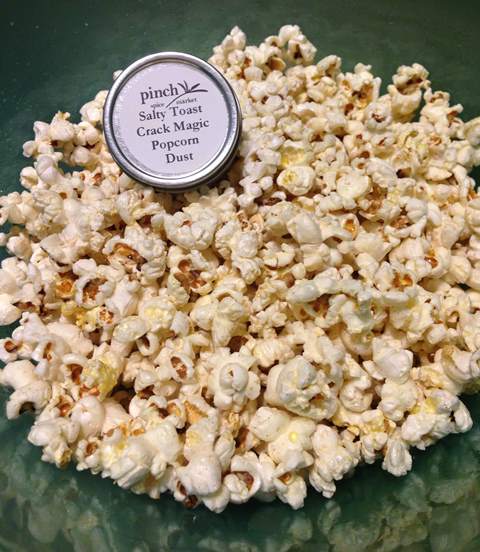 I digress. My partner got one of those
 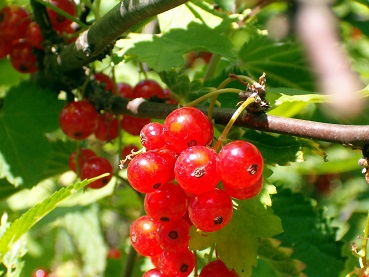 Farmers markets aren't just opportunities to support local farmers and buy fresh produce; they're also great ways to expand one's culinary repertoire. Whenever I see shoppers reaching for those beets (which will inevitably go into some beet and goat cheese salad) or spinach, I mentally beckon them to try some of those more esoteric veggies and herbs, sitting sadly in their small wooden crates. Although it can be daunting, I encourage you to diversify your palette by considering the following substitutions: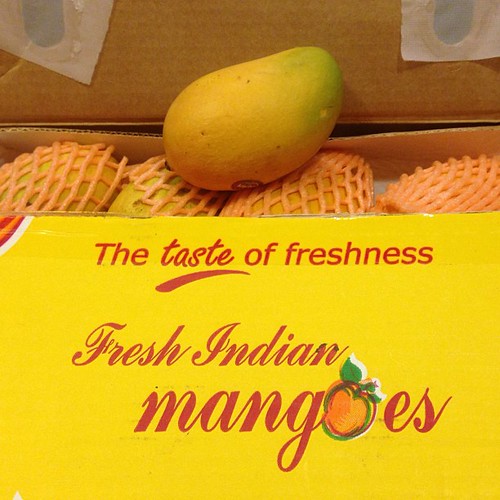
 The ingredient: avocados. The challenge: a culinary transformation of the fruit/vegetable into something that will bless taste buds with excellent flavor.
  What makes a Chicago-style hot dog so unique? It's the melding of all the ingredients, the balance of flavors tested over time and eventually made canon: hot dog, yellow mustard, relish, chopped onion, tomato slice, dill pickle spear, sport peppers, celery salt, poppy seed bun. All together, they create a delicious harmony.
 It's the middle of the afternoon on Independence Day. Most years, this is the time I'd be sprawling on some lawn furniture on the deck next to my uncle's pond in northwest Missouri, sucking down mojitos with my extended family, coming up with creative excuses to avoid taking the little kids' bluegills off their fishhooks, and waiting for the ribs to be ready. But with the holiday in the middle of the week this year, I'm here in Chicago for what I believe is only my second July 4th observance in the 11 years I've lived here. In my 85 degree Chicago apartment. It's a chilly 79 degrees in the bedroom, where the a/c unit we found in the basement last year is tenuously clinging to the windowsill. In the middle of the hottest stretch of Chicago summer weather I've experienced, I'm afraid if I go outside I might combust, melt, or just drink myself into a stupor and miss my favorite holiday in a haze of alcohol and sunstroke. And it's okay, because I've found a new skill, which I'm hoping to hone a bit in the sweaty confines of my third-floor kitchen before showing it off in public. I just learned how to shuck an oyster.
 No plans for New Years Eve? Don't feel like fighting the masses for expensive party tickets and limited taxis? No, worries.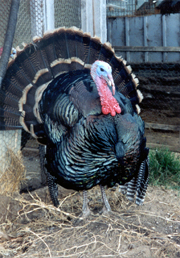
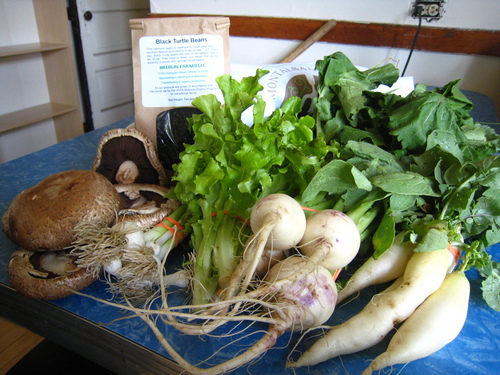

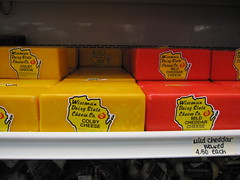
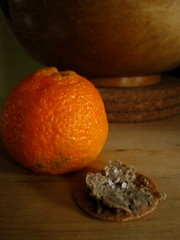

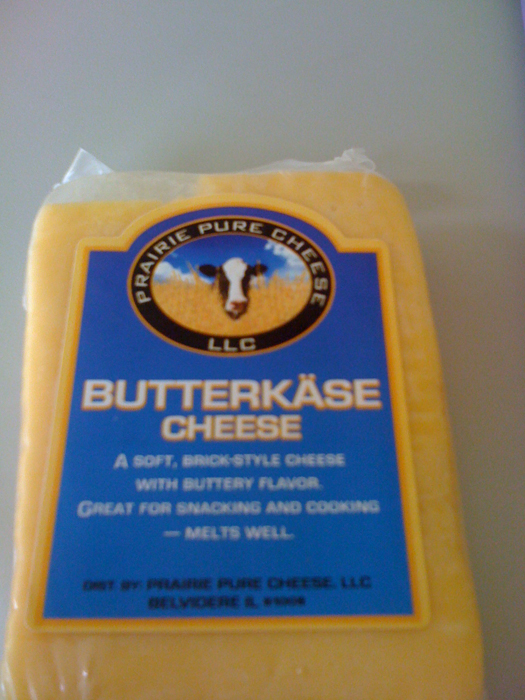
 The Washington Post

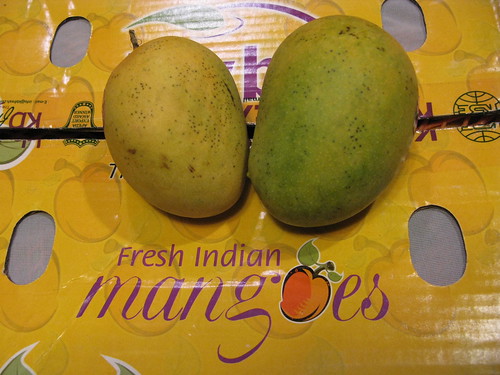

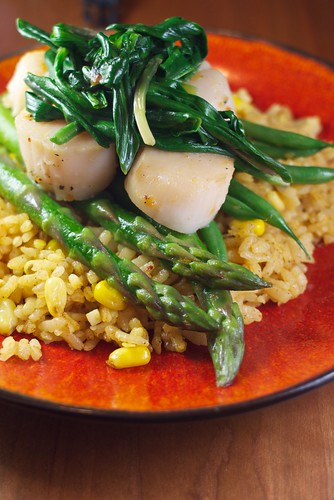
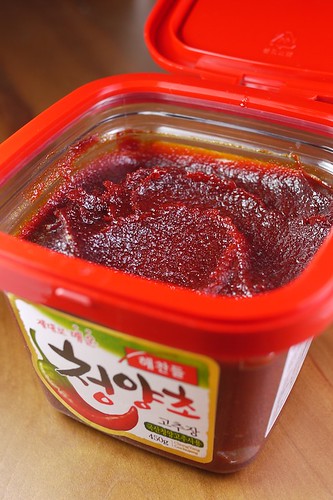
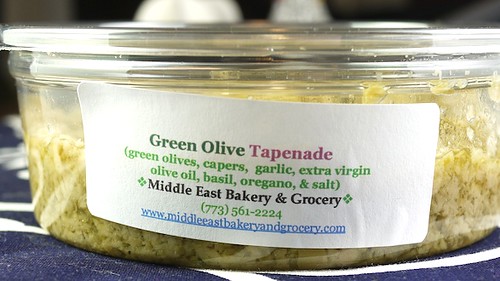
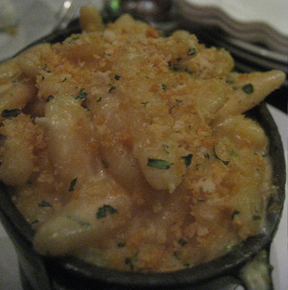
 The Christmas holiday means one thing and one thing only for me:
 I now pass one every day at work--a donation box for canned foods that will go to the

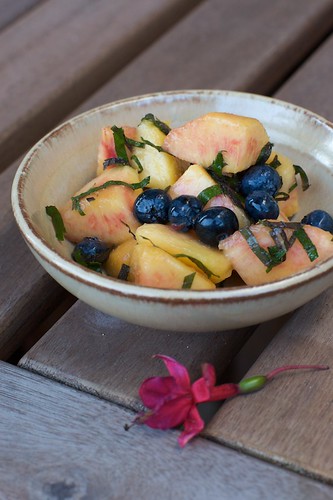
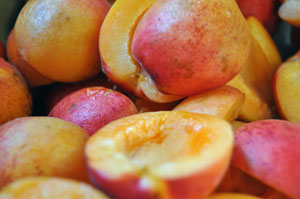
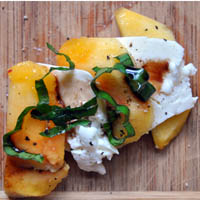
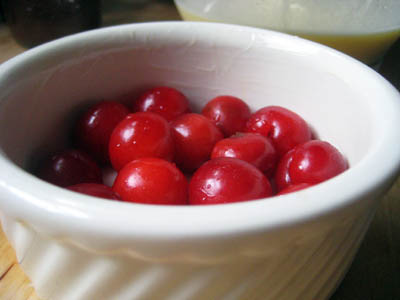
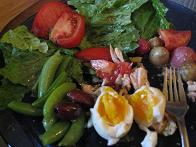
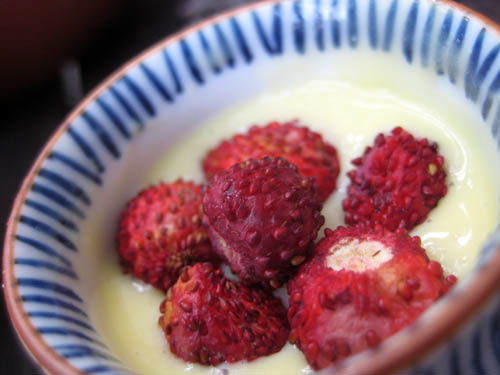
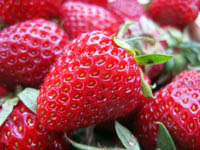

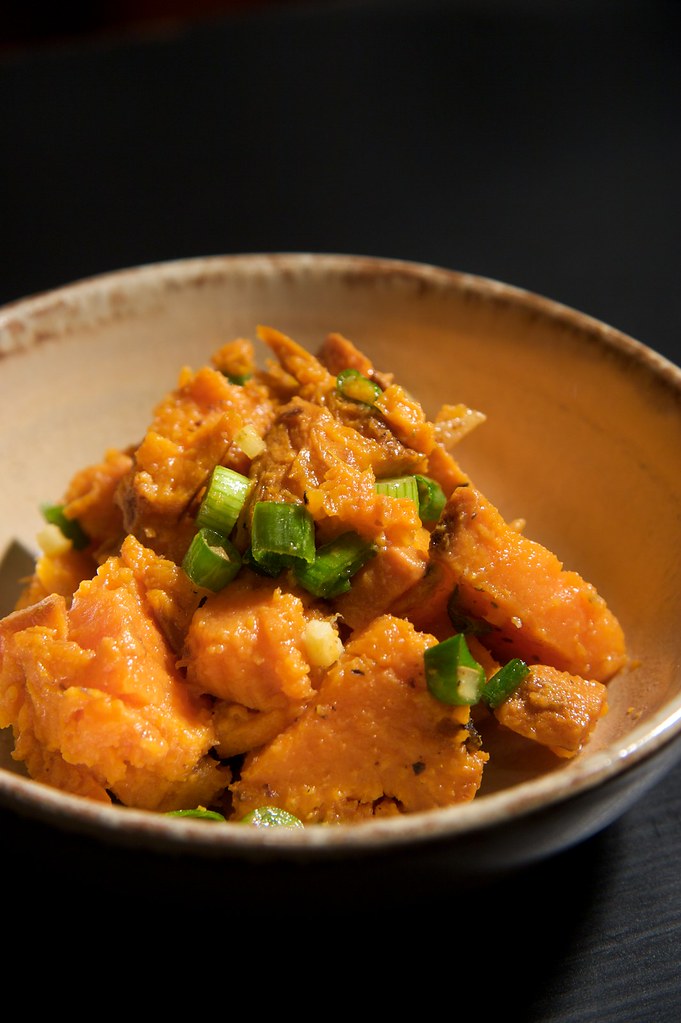
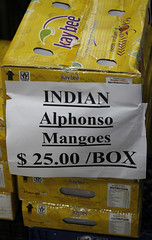
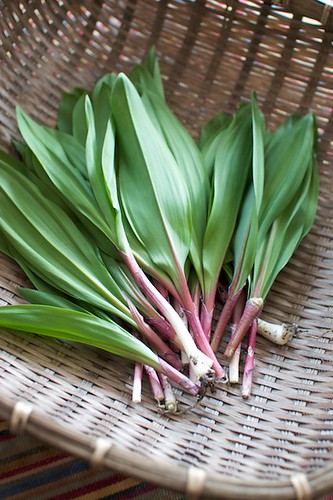
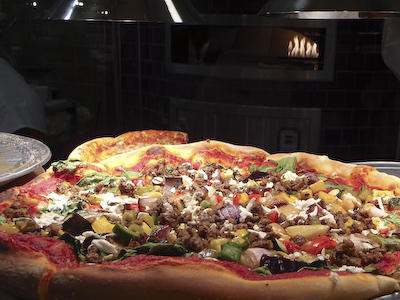
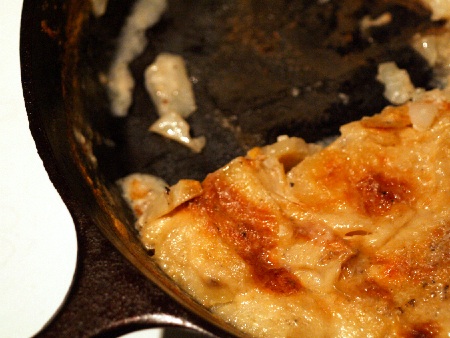
 I spent a good thirty minutes tonight trying to find my recipe book, which holds a great recipe for Irish Soda Bread that I had planned to post here--but before I go even more beserk and turn my place literally upside down in my search, I'm going to post some St. Pat's fare for you to muse in the meantime:
 Today is the Thursday before Lent begins, which means that you need to use up all the sweet ingredients in your house before Sunday arrives and suddenly you can't have any of the good stuff until Easter. Fat Thursday is often celebrated with the eating of
  Baking hint: if a recipe calls for the juice of a real lemon, don't do what I did and reach for a *bottle* of
  If you're nervous about using peanut butter these days because of the litany of products being recalled but can't live without your Skippy, consider this:
  If the City of Chicago were to celebrate one seed to plant and cook from this coming growing season, what would you want it to be? NeighborSpace and the Garfield Park Conservatory Alliance created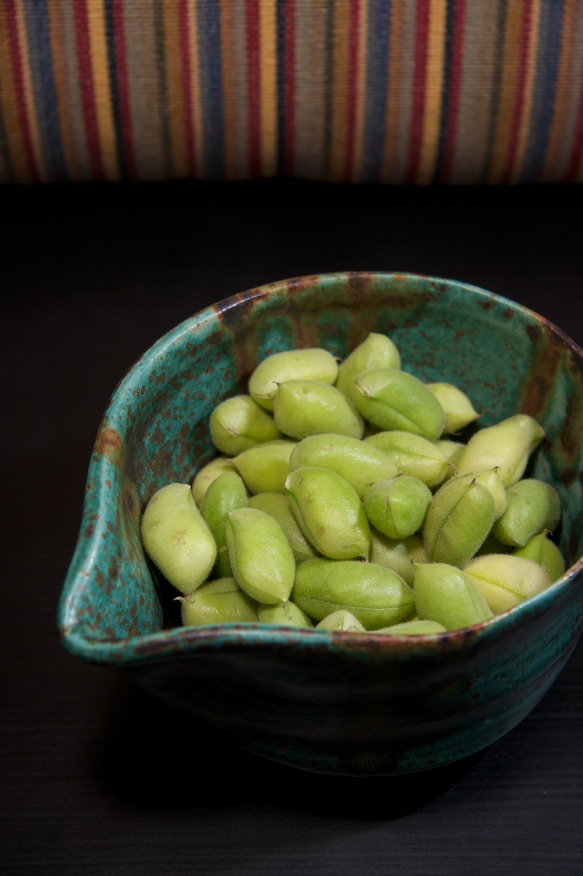
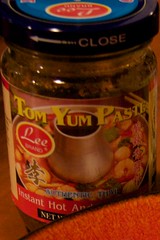
 This past weekend, while at the (very excellent)
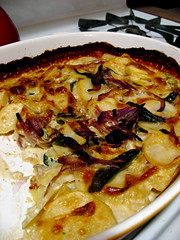
 Southern Illinois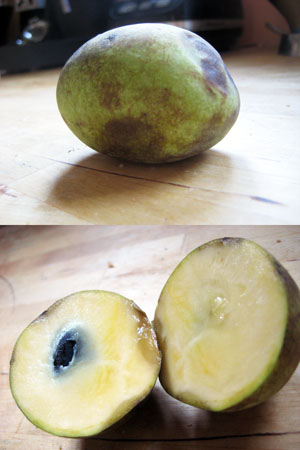
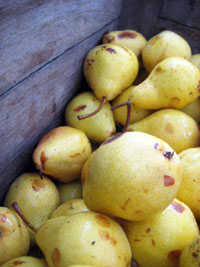
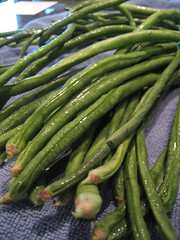
 This past weekend, Italy took over Navy Pier (well, the Festival Hall anyway... well, a portion of one of the Festival Halls...) as the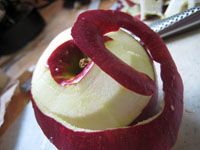
 Recently, two bottles of
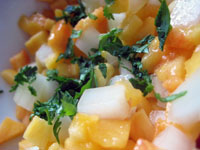
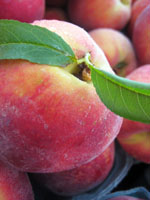
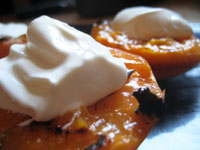
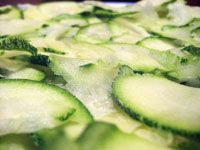 A lot of us can't get enough of some vegetables — tomatoes or cucumbers, maybe. But we reach our saturation point quickly with others. Zucchini, I'm looking at you.
 Sampling cheese needs instructions? Isn't it as simple as, open mouth, insert cheese, repeat until ill or otherwise immobilized (or, worst case scenario, out of cheese)? Apparently there are cheese manners to be observed -- particularly on the farmer's market circuit, where all manner of grubby hands are grabbing after the goods. Imposing some routine structure and discipline in cheese-handling is the least our local cheese mongers can do.
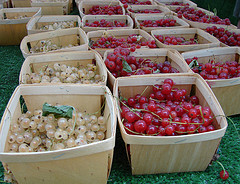 If you're at the farmers market this week, you might spot tiny fruit that look like grapes. They're not grapes; they're red currants.
 As you rev up for your fourth of July barbecues this upcoming weekend, the American Cancer Society wants you to be mindful of
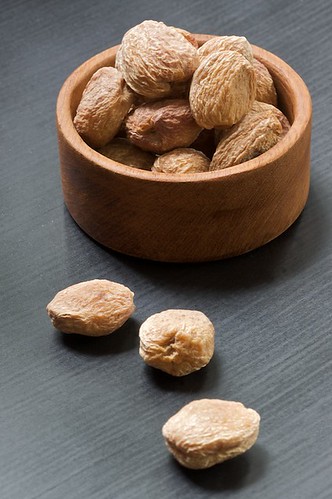
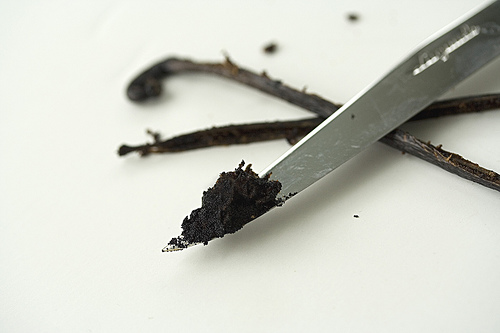


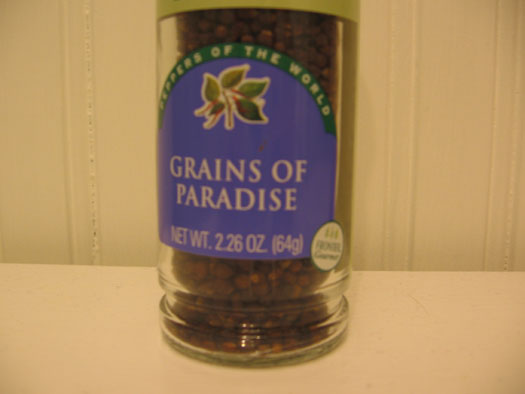

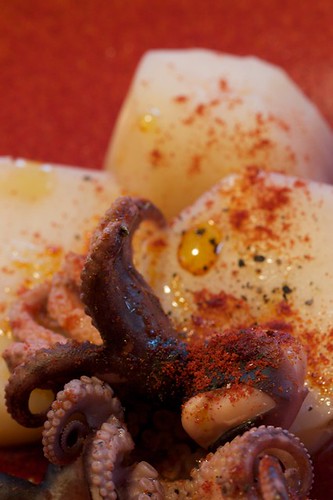
 Rachel's Bite made a
 Beer lovers, brace yourselves: thanks to bad weather in Europe and a reduction in crops here in the States, there's a severe shortage of hops, one of the key ingredients in beer. As a result, prices have skyrocketed &mdash as much as 600 percent for rarer cultivars.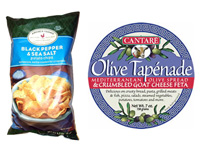
 But I'm stumped. I can't find Portuguese muffins. These soft, buttery versions of English muffins have long been a favorite (even when I bought them as "Australian Toaster Biscuits" from
 Ah,
Ah, 
 Today is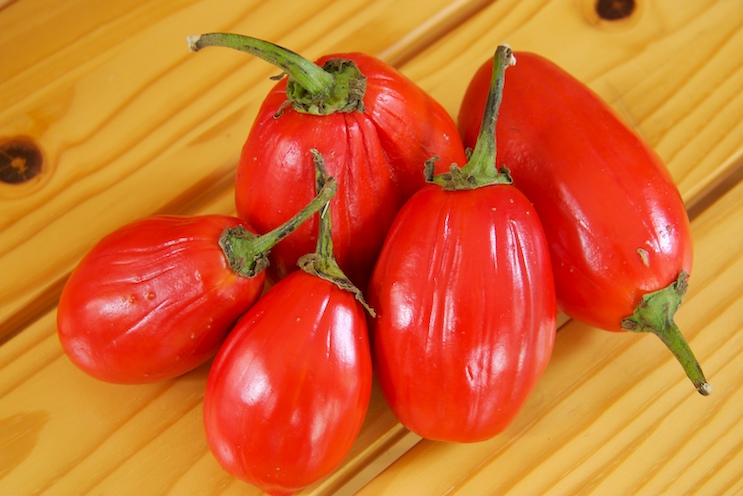


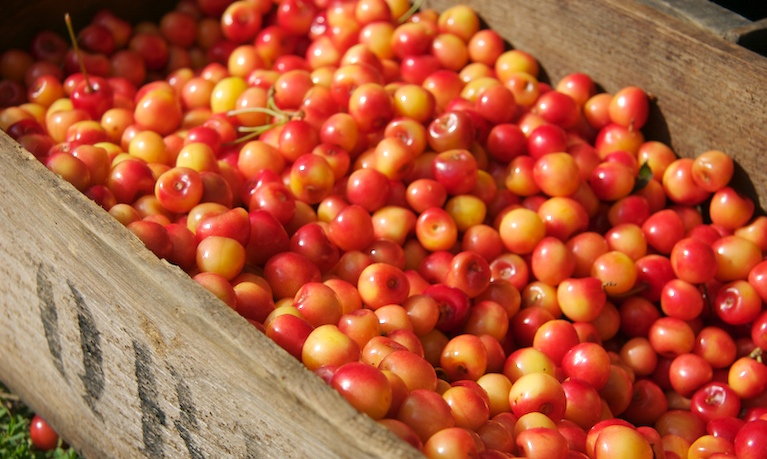
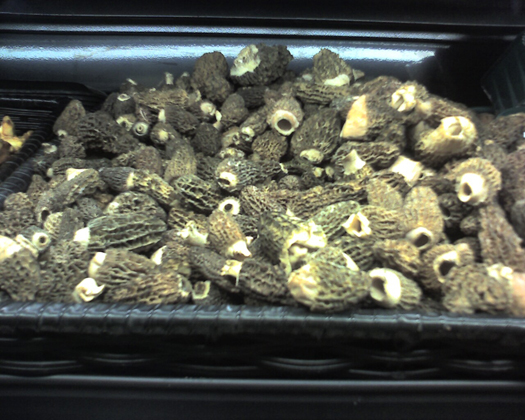
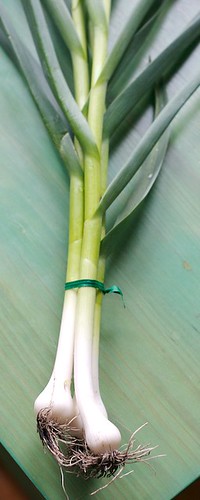

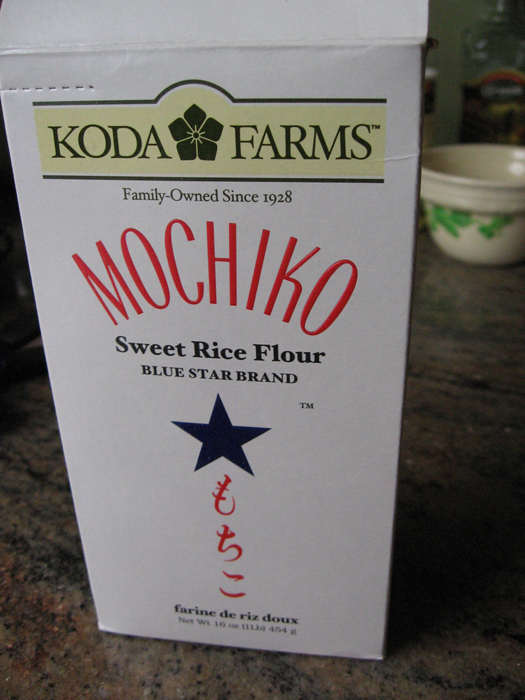 About a year ago my kids fell in love with mochi, particularly the little balls of frozen mochi with ice cream inside that Japanese restaurants serve for dessert. They also tried the little room-temperature rice cakes filled with bean paste, but didn't crave those like they did the ice-cream filled mochi. I became kind of fascinated with mochi myself. I did Google searches to see if I could buy some to keep at home in my freezer (I can if I don’t mind driving across town, which I do; though I hear Whole Foods is starting to carry it.) Mostly, I found stories about how often people choke on it in Japan because of its gluey consistency. And I found a cool band on myspace called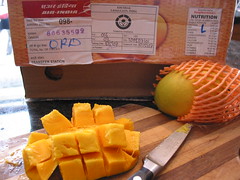

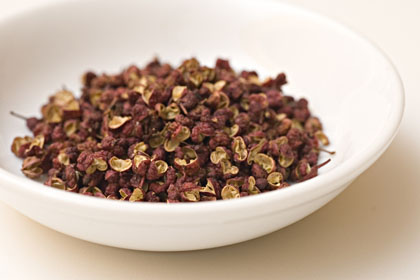
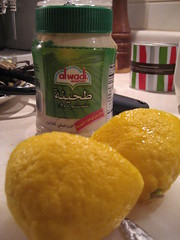
 Despite the weather, spring’s approach is inevitable. On the other end of the continent, incremental changes in water temperature and lengthening days signal the end of the winter season, and deep in the waters off Alaska’s rugged coastline, a valuable resource makes itself available for harvest. The 2007 Alaskan halibut season opens on March 10th, and with it, the opportunity to enjoy one of our favorite seafood options! Alaskan halibut fishermen are subject to a myriad of governmental regulations designed to protect the sustainability of the population. In Alaska, commercial fishermen (and then only those holding proper permits) are only allowed to fish for halibut for about 9 months of the year; and that season will begin on Saturday.